

Sustainable 3D Printing: Eco-Friendly Filament Options
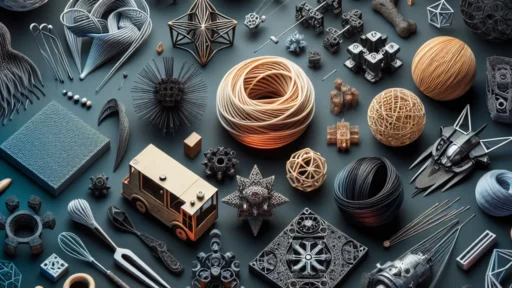
3D printing has undoubtedly taken the world by storm. The ability to create anything from prototypes to toys at the push of a button is nothing short of magic. However, as we embrace this innovation, it’s essential to consider its environmental impact. Traditional 3D printing materials, mostly made from plastic, can lead to significant waste—a reality that many eco-conscious makers are striving to change. Luckily, the world of 3D printing has evolved, introducing a delightfully diverse selection of eco-friendly filament options that allow us to create guilt-free!
What Makes Filament Eco-Friendly?
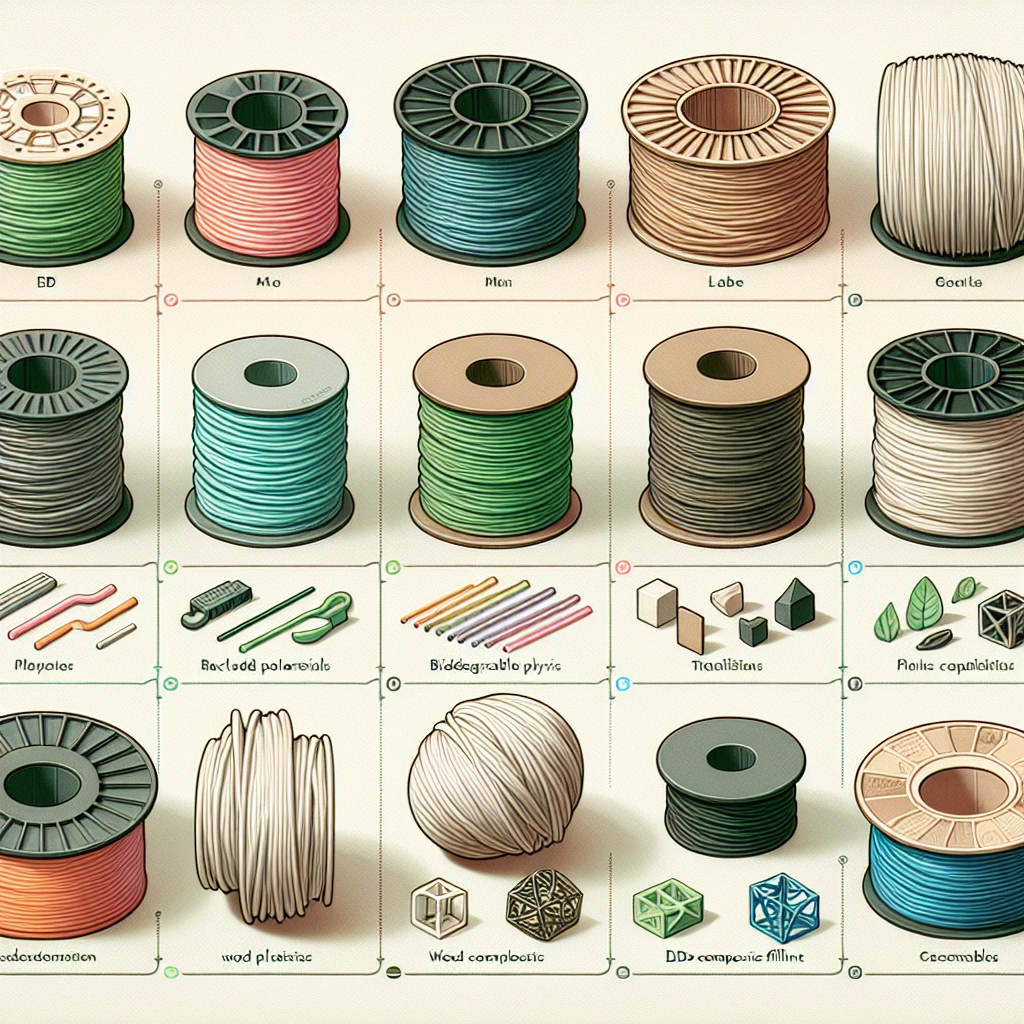
Before we delve into specific options, it’s worth discussing what makes a filament "eco-friendly." Generally, environmentally friendly filaments are made from renewable materials or are biodegradable, reducing the reliance on fossil fuels. They also tend to have a lower carbon footprint during production and disposal. Here are some popular sustainable filament choices that can make your 3D printing more eco-conscious.
PLA (Polylactic Acid)
First and foremost is PLA, one of the most well-known and widely used 3D printing materials. Made from renewable resources such as corn starch or sugarcane, PLA is biodegradable under industrial composting conditions, which sets it apart from conventional petroleum-based plastics. It’s user-friendly, available in an array of colors, and produces excellent print quality, making it a favorite among beginners and experienced users alike.
But there are offshoots of PLA worth mentioning. For instance, there are PLA blends that include materials like hemp or organic fibers, further decreasing environmental impact while adding unique properties to the filament.
PETG (Polyethylene Terephthalate Glycol-Modified)
While PETG isn’t biodegradable like PLA, it does have some impressive eco-friendly credentials. It’s a variant of PET (think plastic bottles) but modified for 3D printing. This just means it has less brittleness and improved impact resistance.
What makes PETG more sustainable is its recyclability. Many regions have systems in place to recycle PET materials, reducing landfill waste. When considering the life cycle of a product, using PETG can extend the functional life of your creations and promote a circular economy.
PHA (Polyhydroxyalkanoates)
Meet PHA, the rising star in eco-friendly filament! This naturally occurring polymer is produced through microbial fermentation of sugar or lipids. It’s fully biodegradable and can break down in both anaerobic (without oxygen) and aerobic (with oxygen) environments, making it an excellent option for those concerned about waste.
While PHA-based filaments might be slightly more challenging to print than your typical PLA or PETG, advancements in technology are making it more accessible. Its versatility allows for a variety of applications, from bioplastics to medical devices—an intriguing frontier for environmentally responsible 3D printing.
Wood and Bamboo Filaments
Who wouldn’t want to add a bit of nature to their 3D prints? Wood and bamboo filaments blend PLA with real wood or bamboo fibers, creating a unique aesthetic that gives your prints a natural feel and finish. Not only can these materials look great, but they also reduce environmental impact by incorporating plant fibers.
When you print with wood filaments, you may even get that satisfying pleasant scent reminiscent of woodworking. Just keep in mind that you might need a larger nozzle diameter and specific print settings to achieve the best results with these materials.
Recycled Filaments
The world of recycled filaments is a game-changer in the quest for sustainability. Companies are now producing filament from recycled plastics, repurposing waste that would otherwise end up in landfills. Recycled ABS and PETG filaments have gained popularity, ensuring that waste materials can be transformed into useful resources.
Using recycled materials encourages not only sustainability but fosters a culture of responsible consumption. Companies like Filamentive and Refil offer a wide range of recycled options, giving you the chance to make a positive impact with every print.
Final Thoughts
As we stand on the precipice of true eco-consciousness, it’s encouraging to see that the 3D printing community is stepping up to the challenge. The world of eco-friendly 3D printing filaments is expanding, providing a range of materials that allow makers to be creative while caring for our planet. Whether you’re printing with PLA, experimenting with PHA, or embracing the beauty of wood filaments, every small choice you make can contribute to a greener future.
So, the next time you’re getting ready to print, take a moment to consider your filament choices. With so many sustainable options available, you can unleash your creativity and feel great about reducing your environmental footprint at the same time! Happy printing!