


The Role of 3D Printing in Rapid Prototyping
Have you ever wondered how that new gadget you can’t wait to get your hands on was brought to life? Or how your favorite artist crafts those intricate designs? Chances are, 3D printing was part of the journey. In the rapidly evolving world of design and manufacturing, 3D printing has emerged as a game-changer in the field of rapid prototyping. Let’s dive into the exciting synergy between these two innovations and how they’re reshaping the landscape of product development.
What is Rapid Prototyping?
At its core, rapid prototyping is all about speed and efficiency. It’s the process of quickly turning an idea into a tangible model. Traditionally, creating prototypes involved lengthy and often costly methods that could take weeks or even months. Designers would work through multiple iterations, facing obstacles in terms of time and resources. But with the advent of 3D printing, this whole dynamic has transformed.
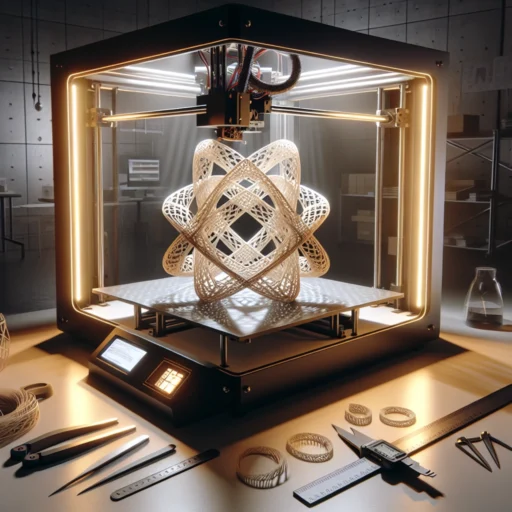
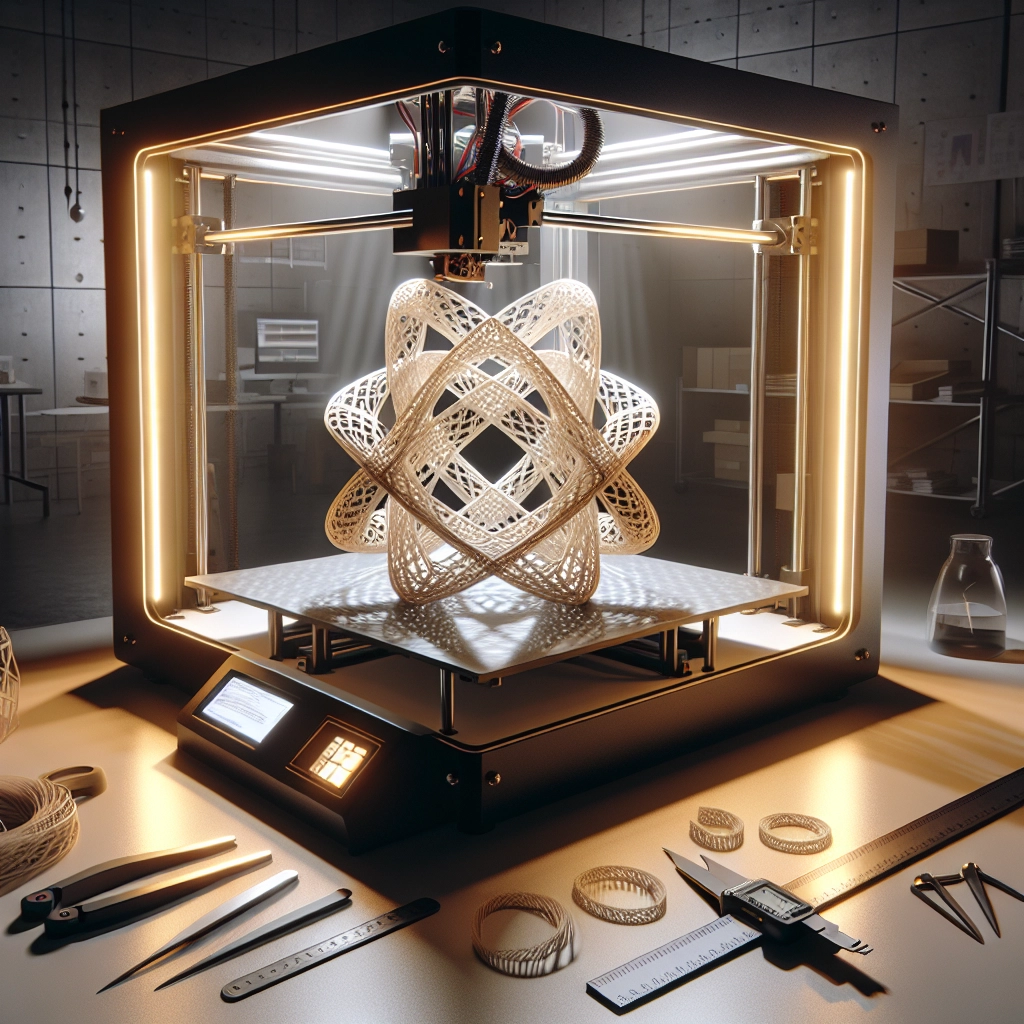
In rapid prototyping, 3D printers can produce physical models from digital designs in just a matter of hours or days. This allows designers and engineers to test concepts, validate designs, and iterate on their ideas quickly. Imagine being able to hold your concept in your hand just a few hours after it’s been drafted on your computer. Exciting right?
Speeding Up the Design Process
One of the most significant advantages of using 3D printing for prototyping is speed. With traditional prototyping methods, you might have to wait for tooling or casting processes, which can be tedious. However, with 3D printing, once you have your digital model ready, you simply hit print and watch it come to life.
Whether it’s plastic, resin, or even metal, the variety of materials now available allows creators to test their prototypes under real-world conditions. Designers can experiment with different materials for strength, flexibility, and weight, enabling them to understand which elements work best for their final product.
Cost-Effective Solutions
Not only does 3D printing save time, but it also saves money. Traditional prototyping often requires significant investment in tools and molds, which can be a huge barrier for startups and small businesses. With 3D printing, the costs are dramatically reduced. You eliminate the need for expensive tools since the 3D printer can produce complex shapes directly from a computer model.
This cost-effectiveness allows designers to create multiple versions of a prototype without breaking the bank. Before, each iteration would be labor-intensive, but now anyone with a 3D printer can experiment freely, leading to innovative designs that might not have surfaced otherwise.
Increased Design Flexibility
Remember that saying, “There are no mistakes, only opportunities”? Well, 3D printing embodies that idea perfectly. Since adjustments can be made easily in the digital design phase, teams can quickly pivot if they encounter unforeseen challenges. Need a sharper angle? No problem! Want to incorporate new features? Again, easy-peasy!
This flexibility enables designers to explore a plethora of options without feeling tied down to one path. It fosters creativity and encourages experimentation. You never know what you might find when you let your imagination run wild!
Real-World Applications
3D printing’s impact on rapid prototyping isn’t just theoretical; it’s evident in many industries. In healthcare, for instance, customized implants and prosthetics can be 3D printed based on a patient’s specific anatomy. In the automotive industry, car manufacturers use rapid prototyping to test parts and components before mass production, ensuring optimal performance and safety.
Even in fashion, designers are embracing 3D printing to produce unique patterns and structures that would be impossible with traditional methods. This integration of technology into diverse fields showcases the limitless possibilities of 3D printing.
The Future is Bright
As technology continues to evolve, the future of rapid prototyping in conjunction with 3D printing looks promising. New materials and advanced printing techniques are constantly emerging, providing even more avenues for innovation. With the rise of artificial intelligence and machine learning, we could see designers creating even more sophisticated prototypes in even less time.
In a world that demands faster solutions and more creative designs, 3D printing is leading the charge in rapid prototyping, breaking down barriers and democratizing the process of creation.
So the next time you see a new product launch or a fresh design, remember the powerful combination of creativity and technology that made it possible. Who knows? Your own groundbreaking idea might be just a few clicks away from becoming a reality. Happy printing!


