
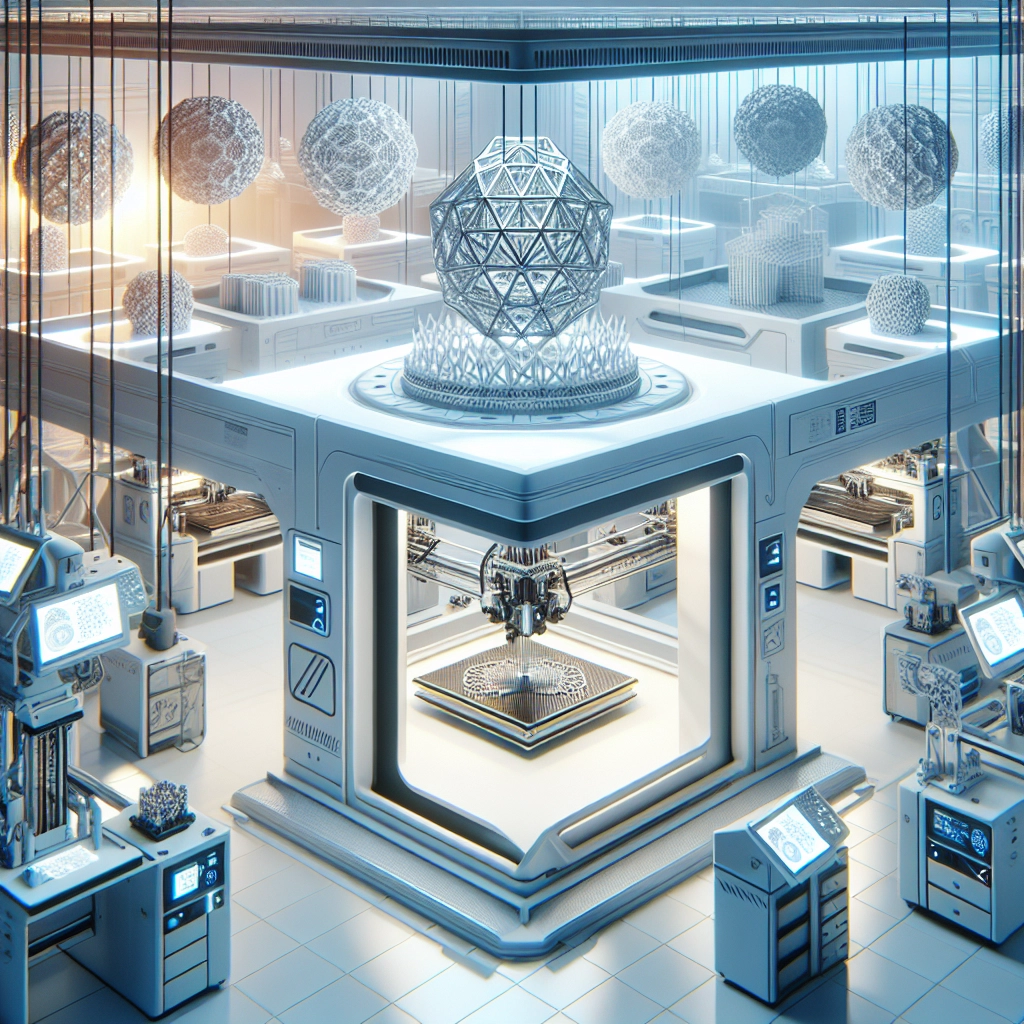

Exploring Advanced 3D Printing Techniques
3D printing has come a long way since its inception, evolving from simple prototypes created in a laboratory to complex designs that can revolutionize industries. The beauty of 3D printing lies in its versatility and endless potential. Today, let’s dive into the fascinating world of advanced 3D printing techniques that are shaping the future.
The Evolution of 3D Printing
Before we hop on the latest trends, it’s worth a quick shout-out to the past. The first working 3D printer was introduced back in 1983. At that time, it was a slow, delicate process focused on creating volumetric shapes. Fast forward to today, and we have a spectrum of advanced techniques catering to various industries—from aerospace and automotive to healthcare and architecture. This evolution has opened doors to innovative designs, material usage, and applications that were previously unimaginable.
Stereolithography (SLA)
One of the earliest and most popular 3D printing techniques is stereolithography (SLA). This method uses a UV laser to cure resin layer by layer, resulting in finely detailed and smooth objects. SLA is a go-to for industries requiring high precision, such as jewelry and dental work. The intricate designs you can create with SLA are stunning, but it does require some post-processing to polish and clean up the finished product.
Selective Laser Sintering (SLS)
Next up is selective laser sintering (SLS), which takes a slightly different approach. Instead of resin, SLS uses powdered materials—usually plastic, metal, or ceramics. A laser fuses the powder particles together according to the designed model, building the object layer by layer. The beauty of SLS lies in its ability to create complex geometries that traditional manufacturing techniques can’t handle. Plus, the leftover powder can often be reused, making it a cost-effective and sustainable option!
Multi-Material 3D Printing
Now, let’s talk about multi-material 3D printing. This technique allows you to print with different materials simultaneously, which means you can combine the properties of various substances in one single object. Imagine a product that’s both flexible and rigid, or one that can withstand high temperatures while also providing some insulation. Whether it’s in producing functional prototypes or even end-use products, multi-material printing opens a whole new realm of possibilities.
Digital Light Processing (DLP)
Another eye-catching technique is Digital Light Processing (DLP). Like SLA, DLP uses light to cure resin, but instead of using a laser, it employs a digital light projector to flash an entire layer at once. This method can significantly speed up the printing process, making it highly efficient for creating large batches of small components. DLP technology is becoming more popular for applications in dentistry, where creating custom dental aligners quickly is essential.
Bioprinting
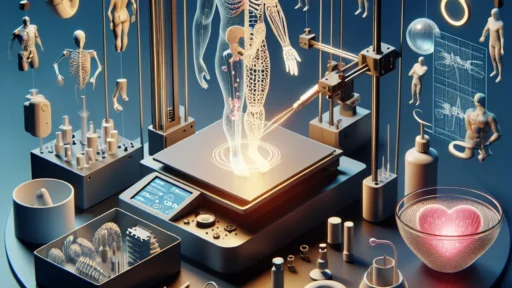
Now, let’s take a step into the amazing world of bioprinting, a game-changing advancement in the field of medicine. Imagine printing tissues and organs! Bioprinting uses a specialized technique that layers bio-ink—which is a mixture of living cells and biomaterials— to create structures that mimic biological tissues. Researchers are making strides in printed skin, cartilage, and even organ structures, opening doors to regenerative medicine and personalized health solutions.
Robotic Arm Printing
For those of you who think outside the box, robotic arm printing is worth a mention. This technique utilizes robotic arms to create large-scale structures, often in construction and manufacturing. By using a combination of additive and subtractive processes, robotic arms can create intricate designs with ease, paving the way for eco-friendly housing solutions and complex architectural forms. Imagine a building being printed in days instead of months!
Customized Solutions, New Possibilities
As we explore these advanced techniques, it’s clear that the world of 3D printing is just at the tip of the iceberg. The ability to create customized solutions tailored to individual needs not only enhances creativity but also drives efficiency in production. Each technique has its unique strengths and ideal applications, making it essential for entrepreneurs, engineers, and creatives to understand the options available.
In the ever-evolving landscape of technology, 3D printing continues to stand out as a beacon of innovation, continuously changing how we approach design, manufacturing, and even healthcare. Whether you’re an enthusiast, a professional, or just curious about the future, it’s an exciting time to dive into the possibilities that lie ahead. 3D printing isn’t just about creating objects; it’s about shaping the future in ways we’ve only begun to imagine.