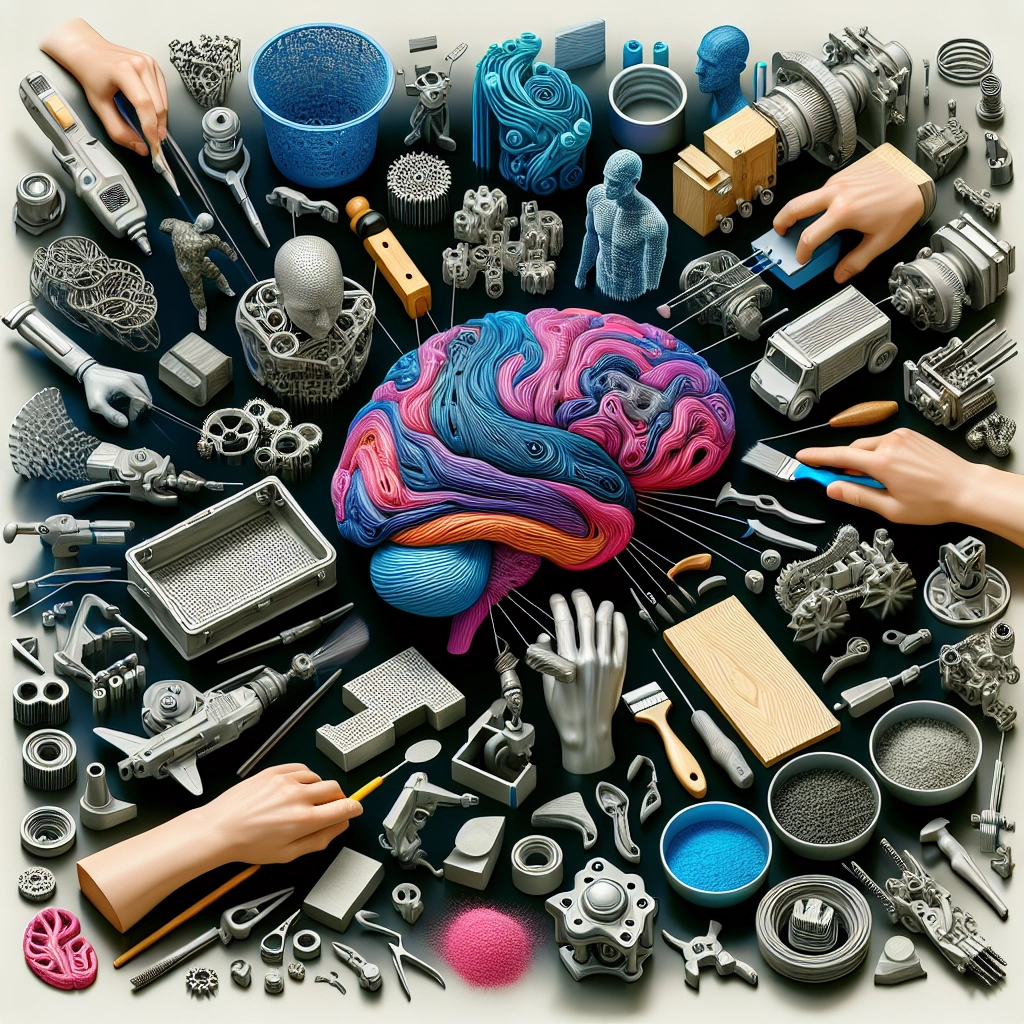

Exploring Post-Processing Techniques for 3D Prints
In the fascinating world of 3D printing, the joy of seeing your design come to life is just the beginning of the journey. Once the print completes, a whole new world opens up: post-processing. This stage is crucial if you’re looking to enhance the quality of your prints and take them from "meh" to magnificent. So let’s dive into some popular post-processing techniques that can elevate your 3D prints to the next level!
Sanding and Smoothing
One of the most common issues with 3D prints is the visible layer lines, which can detract from an otherwise impressive model. Sanding is a super effective way to tackle this problem. Start with coarse sandpaper to remove the bulk of the lines, and move to finer grit for a smoother finish. It may sound tedious, but the result is worth it!
If you want to take it a step further, you can explore chemical smoothing. Acetone vapor, for instance, is a well-known method particularly effective for ABS prints. The vapor briefly melts the surface, resulting in a glossy, smooth finish. However, be very careful—work in a well-ventilated space and wear gloves, as acetone can be harmful.
Painting
Once your print is smooth, it’s time to think about color! Painting your 3D prints can completely transform their appearance. The process typically starts with primer, which helps the paint adhere better and provides an even base. After priming, use acrylic paints or spray paints to add color. Always remember to allow each layer to dry fully before applying the next to avoid streaks or drips.
For added realism, don’t hesitate to venture into weathering techniques. Using washes, dry brushing, or even airbrush techniques can add depth and character to your model. This is particularly fun if you’re working on scale models or miniatures.
Dyeing
If you’re looking to change the color of your prints but want a more uniform effect, dyeing is an option to consider. This technique is mostly applicable to nylon (such as in SLS prints) and is achieved through a fabric dye in hot water. Because this method penetrates the material, the color becomes a part of the print, giving it a rich richness that’s hard to replicate with surface paints.
Assembly and Bonding
For larger projects, printing in sections can be a practical choice. However, assembling these pieces can be tricky, especially if you want them to look seamless. A good bonding agent—like cyanoacrylate (super glue) or epoxy resin—can help you put the pieces together strong and securely. To hide the seam lines, you can use fillers or epoxy putty to smooth things out.
Assembly is also a great opportunity to add extra detail to your prints. Think about how you can incorporate LED lights, sound modules, or even moving parts into your design. Exciting assembly options can really breathe life into your project.
Resin Coating
For those who want a high-gloss finish, epoxy resin coating is a fantastic choice. This clear finish enhances the colors of your print and adds durability. To apply, you’ll typically mix equal parts of resin and hardener and pour it over your print. Make sure to do this in a dust-free environment for the best results!
Be aware that working with epoxy resin can have a learning curve. However, the results can be breathtaking, especially for display pieces that you want to stand out.
3D Printing Techniques and Materials
As you grow your post-processing skills, it’s also wise to consider print techniques and materials. Depending on the filament you use (like PLA, ABS, PETG, or TPU), your post-processing strategies may vary. Research and test how different materials respond to the methods you want to use. Certain materials may offer better results with specific techniques, like smoothed ABS with acetone vs. PLA’s success with sandpaper and paint.
Final Thoughts
Post-processing is an art form in itself, and while it might add extra time to your project, the results can be truly rewarding. Each technique offers a different touch, allowing you to personalize your prints and showcase your creativity. So, as you experiment with these techniques, don’t hesitate to let your imagination run wild. The world of 3D printing is as much about the journey as it is about the finished product. With a little patience and practice, your 3D prints can go from ordinary to extraordinary! Happy printing!