


How to Source Quality Filaments for Your 3D Printer
If you’re diving into the world of 3D printing, one of the most fundamental elements you’ll encounter is filament. It’s the lifeblood of your printer, and the quality of the filament you choose can make all the difference in the success of your projects. But how do you ensure you’re picking the right stuff? Let’s break it down.
Understanding Filament Basics
Before we jump into sourcing, let’s take a quick refresher on the different types of filaments. The most common types are PLA (Polylactic Acid), ABS (Acrylonitrile Butadiene Styrene), and PETG (Polyethylene Terephthalate Glycol). Each comes with its own set of properties, benefits, and challenges:
-
PLA: Great for beginners, this biodegradable plastic is easy to work with. It’s perfect for home use, producing less odour during printing. Just be mindful of its lower heat resistance.
-
ABS: Known for its toughness, ABS is widely used for functional parts. It is more suited to seasoned users since it requires a heated bed and may warp if you don’t manage your settings carefully.
-
PETG: A bit of a hybrid, PETG combines the best of both worlds. It’s easy to print like PLA but has the durability of ABS. Being resistant to moisture makes it a solid choice for outdoor applications.
Where to Look for Quality Filaments
After understanding your filament types, the next step is sourcing the good stuff. There are many places to buy 3D printing filament, and while some may look appealing, here’s how to ensure you’re getting quality materials.
-
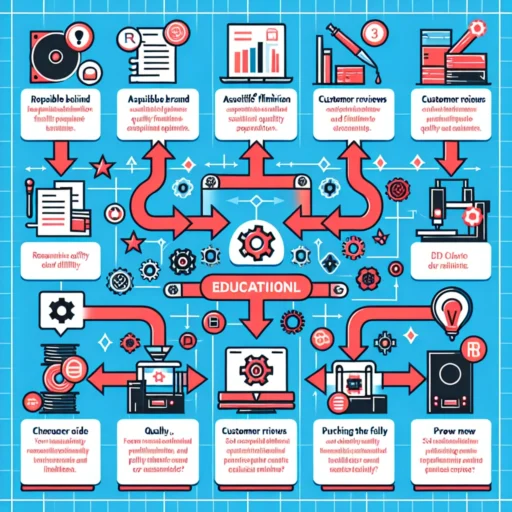
Reputable Brands: Start by looking at well-known brands in the 3D printing community. Companies like Hatchbox, Prusa, and MatterHackers have established reputations for consistency and quality. These companies put their filaments through rigorous testing, ensuring you get the best product for your money.
-
Local Retailers vs. Online Stores: Depending on where you live, you might find local stores that cater to makers and hobbyists. While buying locally can be convenient and lets you check the product before purchase, online shops often provide a wider variety and sometimes better deals. Websites like Amazon, eBay, or specialized 3D printing stores can be excellent choices.
-
Community Recommendations: Engaging with the 3D printing community on forums, Facebook groups, or Reddit can lead you to quality filament sources. When others share their experiences, you can get insights into the reliability and functionality of specific brands or suppliers. Plus, you might uncover sales or discounts.
-
Sample Packs: If you’re unsure about committing to a specific filament, consider purchasing sample packs. These small quantities allow you to try different types without investing too much upfront. Many brands offer multipacks with various colors and materials.
What to Check When Buying Filament
Quality control is key when it comes to filament sourcing. Here are a few crucial aspects to consider when examining potential purchases:
-
Diameter Consistency: Filaments typically come in either 1.75mm or 2.85mm sizes. Ensure that the filaments are consistent in diameter throughout. Varieties with diameter fluctuations can lead to clogging or inconsistent extrusion.
-
Print Temperature: Check the recommended print temperature for the filament type. Reliable manufacturers will clearly state this on their packaging or webpage. If you’re starting out, stick to those recommendations for the best results.
-
Storage Conditions: Filaments absorb moisture over time, which can degrade their quality. When sourcing, consider how the retailer stores their products. Vacuum-sealed or desiccant packs indicate that the filament has been handled with care.
-
Reputation and Reviews: Don’t shy away from reading customer reviews. They can provide a wealth of information about performance, consistency, and even customer service experiences if something goes awry.
Building Your Filament Stash
Once you’ve identified reliable sources and settled on the types of filaments you prefer, it’s time to start building your filament stash. It’s always a good idea to have a few rolls of different materials at hand, so you’re prepared for various projects. Just remember to keep them in a cool, dry place to maintain their integrity.
In the world of 3D printing, quality filament is your ticket to realizing your creative visions. The right filament can elevate your projects from ordinary to extraordinary, proving that the effort you put into sourcing your materials will certainly pay off. Happy printing!