
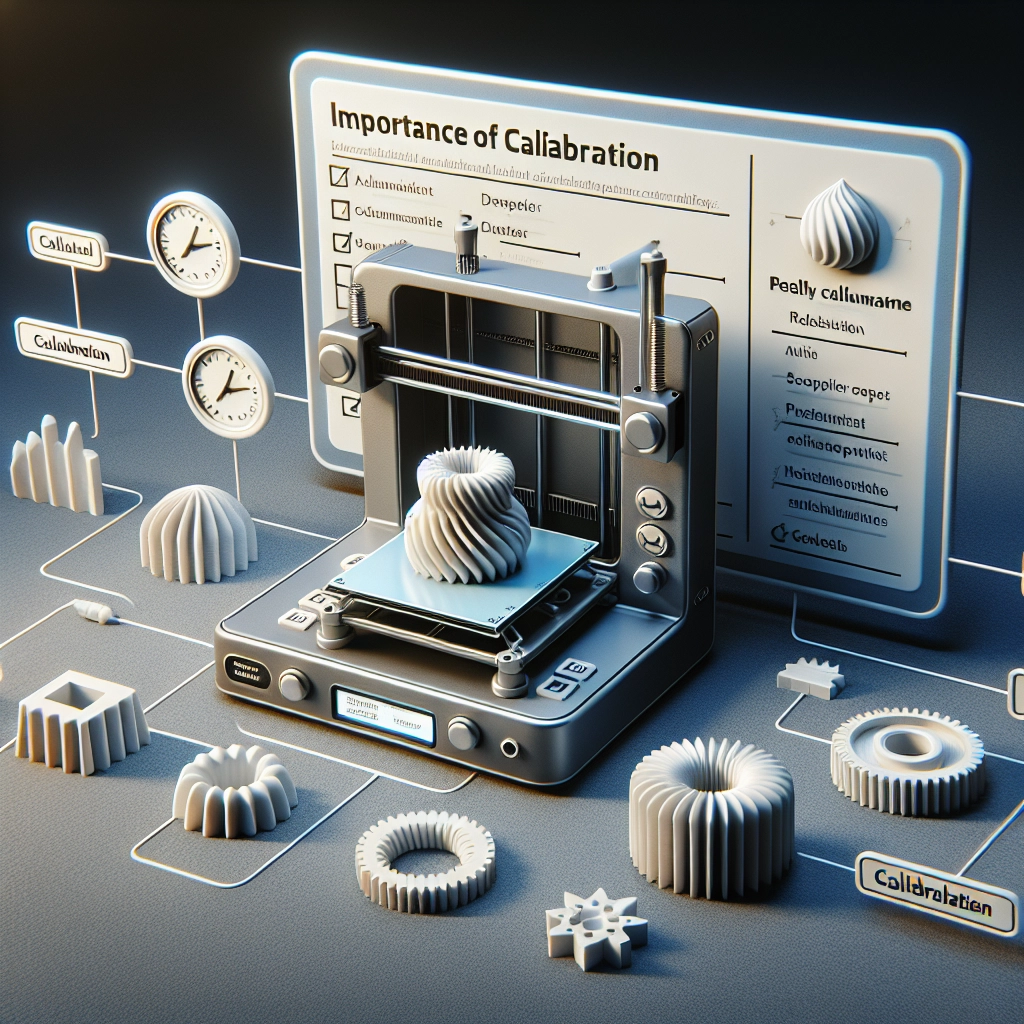

The Importance of Calibration in 3D Printing
If you’re diving into the world of 3D printing, you’ve probably been swept off your feet by the incredible possibilities it offers. Whether you’re an artist, a hobbyist, or a small business owner, the ability to turn your digital ideas into tangible objects is nothing short of magical. However, amidst the excitement and creativity, there’s a critical component that requires your attention: calibration. Let’s explore why calibration is absolutely essential for getting the best results from your 3D printer and ensuring your projects come to life just as you envisioned.
What is Calibration?
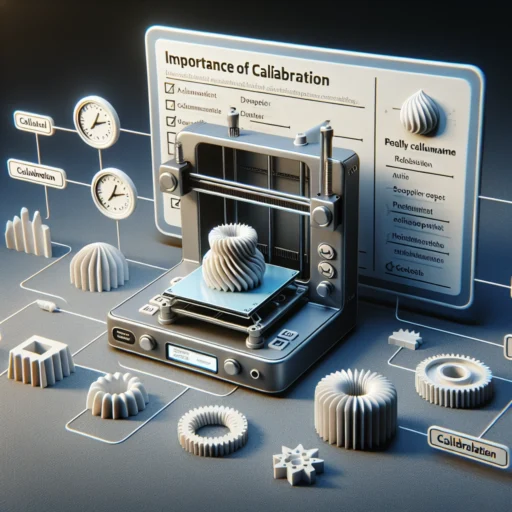
When we talk about calibration in 3D printing, we’re referring to the process of fine-tuning the various settings of your printer to achieve precise and accurate prints. This includes aspects like bed leveling, nozzle height, flow rate, and temperature settings. Imagine trying to bake a cake without measuring the ingredients; you might end up with a disaster! Similarly, without proper calibration, your 3D printing projects can lead to frustratingly poor results.
The Quest for the Perfect Print
One of the most common issues you might encounter with 3D printing is warping or layer adhesion problems. These issues can often be traced back to improper settings or misaligned components. Calibration helps prevent these mishaps. By carefully adjusting parameters, you can enhance the quality of your prints, leading to smoother finishes and greater durability. The payoff is significant: not only do you save time (and filament!), but you also boost the success rate of your projects.
Imagine you’re looking to create a detailed miniature of your favorite character. If your printer isn’t calibrated correctly, you might end up with a warped figure, missing details, or layers that don’t stick together properly. Taking the time to calibrate ensures that you can replicate intricate designs accurately and consistently.
Bed Leveling: The First Step to Success
One of the first steps in calibration is bed leveling. This is a crucial element because a misaligned print bed can lead to all sorts of problems, from poor adhesion to prints that shift or fail entirely. Most printers today offer either manual or automatic leveling, but even automatic systems may require some user intervention for optimal results.
To properly level your bed, you need to ensure that the distance between the nozzle and the bed surface is consistent across the entire surface. A good rule of thumb is to use a piece of regular paper: you should feel a slight resistance when moving the paper between the nozzle and the bed. It’s a simple yet effective way to start your calibration journey on the right foot.
Consistency in Filament Flow
Another critical aspect of calibration is ensuring the proper flow rate of the filament. Over-extrusion or under-extrusion can severely impact the quality of your prints, so getting the flow rate just right is essential. You can typically adjust this in your printer’s settings, but it’s wise to do some test prints to dial it in perfectly.
Starting with a simple test print, like a calibration cube, is a smart way to check if your flow rate is on point. A well-calibrated flow rate leads to smoother surfaces and cleaner lines, which is particularly important if you’re working on projects that require precision, such as mechanical parts or intricate designs.
Temperature Readings Matter
Don’t underestimate the impact of temperature settings on your 3D prints. Different materials require specific print temperatures for optimal results. For instance, PLA typically prints well at temperatures between 180°C and 220°C, while ABS needs higher temperatures, usually between 220°C and 250°C.
Experimenting with different temperatures can make all the difference in your prints. If you’re encountering issues like stringing or poor layer adhesion, it may be time to adjust the temperature a bit. Always consult the filament manufacturer’s recommendations for the best starting point, and don’t hesitate to make small adjustments based on your printer’s performance.
Embracing Calibration as a Journey
Calibration in 3D printing is not just a step; it’s a continuous journey. As you switch materials or try different print settings, you’ll find yourself returning to calibration time and again. But here’s the beauty of it: each tweak you make is an opportunity to learn and grow as a maker.
In the world of 3D printing, mastering calibration will empower you to unlock the full potential of your machine. So next time you set out to create, remember: the key to a successful print lies not just in creativity, but in the careful calibration that brings your ideas to life. Take the time to hone your skills in this area, and you’ll be rewarded with beautifully crafted objects that reflect your vision just as you imagined. Happy printing!