

Common 3D Printing Mistakes and How to Avoid Them
3D printing has transformed the way we create and prototype, making it an exciting platform for hobbyists, entrepreneurs, and seasoned professionals alike. But like any craft, it comes with its fair share of pitfalls. Whether you’re a newbie hoping to print your first model or a seasoned pro looking to perfect your process, understanding common mistakes can save you time, materials, and a bit of frustration. Let’s dive into some of these typical missteps and how you can avoid them!
1. Poor First Layer Adhesion
One of the most frequent issues people encounter is a failure to get that first layer just right. If your first layer isn’t sticking, it can lead to a failed print and material wastage.
How to Avoid This:
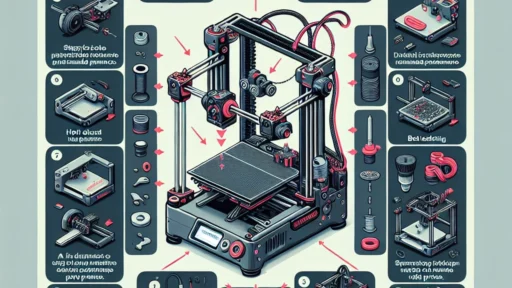
- Level Your Bed: Ensure your print bed is perfectly leveled. An unbalanced bed can lead to significant adhesion problems. Invest in a good leveling tool or use the "paper test" method to gauge distance.
- Optimize Bed Temperature: The surface of your bed should be heated to the appropriate temperature for the filament you’re using. Most platforms have a recommended setting.
- Use Adhesives: Sometimes a bit of extra help can go a long way. Try using glue sticks, painter’s tape, or specialized adhesives designed for 3D printing to improve stickiness.
2. Incorrect Filament Settings
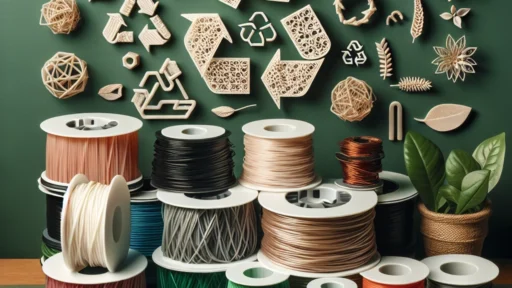
Every filament type has its unique characteristics; using the wrong settings for your chosen material can lead to clogs, poor-quality prints, or even damage to your printer.
How to Avoid This:
- Read the Manual: Familiarize yourself with the recommended temperatures and speeds for each filament type. Settings for PLA, ABS, and PETG are crucial and should not be overlooked.
- Calibrate Your Printer: Spend time calibrating your printer and adjusting the flow rate if necessary. This calibration can significantly impact the outcome of your prints.
3. Ignoring Design Rules
3D printing isn’t just about pushing a button; it involves understanding design principles. Many new users overlook critical design guidelines, leading to prints that fail to work as intended.
How to Avoid This:
- Choose the Right Design Software: Use user-friendly software that helps you adhere to 3D printing design norms. Many programs come with helpful tutorials.
- Incorporate Supports and Rafts: For models that need them, ensure you’re familiar with when and how to use supports and rafts to maintain structural integrity.
4. Failing to Monitor Your Print
It’s tempting to start a print and walk away, especially during longer jobs. However, neglecting to keep an eye on your creation can lead to missed errors and wasted hours.
How to Avoid This:
- Frequent Checks: Regularly pop back to check on your print’s progress. Catching a failure early can save you from wasting filament and time.
- Consider Remote Monitoring: If you’re really into 3D printing, investing in cameras or software that allow for remote monitoring can help you keep tabs from anywhere in your home.
5. Not Performing Regular Maintenance
Just like any other machine, a 3D printer needs regular upkeep. Neglecting maintenance can lead to inconsistent print quality or even hardware failure.
How to Avoid This:
- Keep it Clean: Dust and debris can interfere with your printer’s mechanical components. Regularly clean the nozzle, bed, and moving parts.
- Check Connections: Every now and then, ensure that wires and belts are secured and in good condition. This small step can prolong your printer’s lifespan.
6. Underestimating Print Time and Material Needs
When starting a project, it’s easy to underestimate how long a print will take and how much material you’ll require.
How to Avoid This:
- Use Print Estimates: Most slicing software offers estimates for both time and material. Use these as a guide, but always account for potential discrepancies.
- Plan Ahead: When embarking on larger projects, it’s best to have extra filament on hand to avoid last-minute scrambles.
Final Thoughts
3D printing can be an incredibly rewarding endeavor, filled with creativity and innovation. By being aware of these common mistakes and taking a proactive approach to avoid them, you’ll set yourself up for success. Experimenting and learning from errors is part and parcel of the journey, but with a little caution and diligence, you can minimize those pitfalls. So fire up your printer, let your imagination run wild, and enjoy the printed journey ahead! Happy printing!