
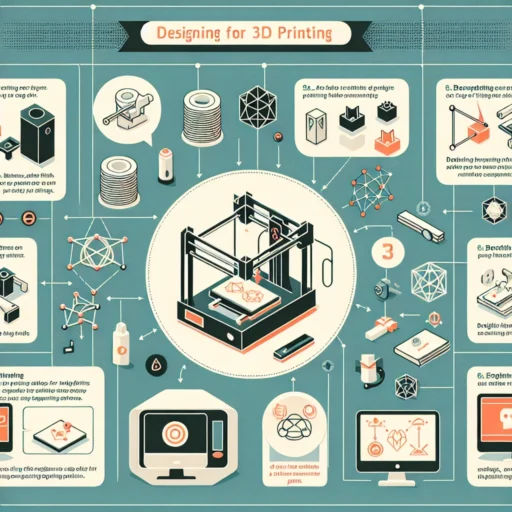
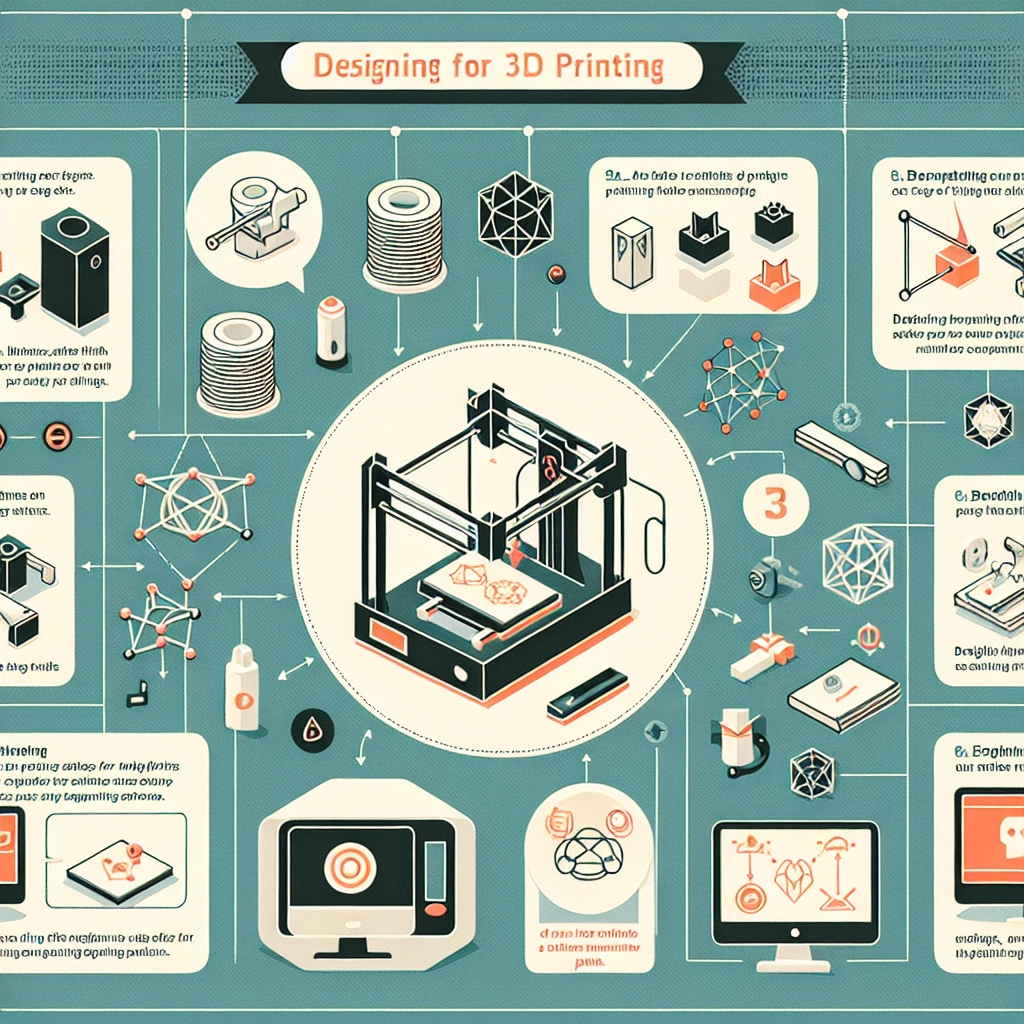

Designing for 3D Printing: Tips for Beginners
Are you ready to leap into the exciting world of 3D printing? Whether you’re looking to whip up fun projects, create practical tools, or dive into art and design, understanding the basics of 3D design can set you on the right path. While it might seem daunting at first, with a few helpful tips, you’ll be creating your own designs in no time! Let’s get started on your journey.
Understand the Basics of 3D Modeling
Before you start designing, it’s essential to get a grip on the basics of 3D modeling. There are various software options available, ranging from beginner-friendly platforms like Tinkercad to more advanced programs like Blender and Fusion 360.
If you’re just starting out, Tinkercad is a fantastic entry point. Its drag-and-drop interface allows you to play around with shapes, making it easy to visualize your creation. Once you feel more comfortable, you can move on to more complex tools. Tutorials are plentiful online, so don’t hesitate to immerse yourself in this virtual world.
Keep It Simple
As a newbie, resisting the urge to create something complicated is key. Start with simple shapes and designs. Think about small, everyday objects—like a keychain or a personalized cup—before trying to tackle the complexities of articulated models or intricate sculptures. By keeping your initial projects straightforward, you’ll not only gain confidence but also a better understanding of how different shapes and designs interact.
Design with the Printer in Mind
Each 3D printer has its own specifications and limitations, so it’s vital to design with your printer’s capabilities in mind. Make sure to check the maximum build volume of your printer, which determines how large your model can be.
Additionally, pay attention to the minimum wall thickness and any overhangs. A common rule of thumb is to keep walls thicker than 1-2mm, as thinner areas can break easily during the printing process. If your design includes parts that hang over without support (think of a bridge or roof), consider adding support structures in your design or adjusting the angle of your model to minimize overhangs.
Know Your Materials
The next step is understanding the materials you’ll be working with. Different 3D printers can use various materials, each with its own properties, strengths, and weaknesses. PLA (Polylactic Acid) is a popular choice for beginners due to its ease of use and biodegradable nature. It prints at lower temperatures and emits minimal odor, making it great for home use.
As you become more comfortable, you can explore other materials like ABS, PETG, or flexible filaments, each offering unique benefits and challenges. Just remember, certain materials may require specific printer settings, such as higher temperatures or specific bed adhesion techniques.
Test and Iterate
Don’t be discouraged by failures; they are a significant part of the learning curve! When you design something and it doesn’t print as expected, take it as an opportunity to learn and improve. 3D printing allows you to prototype quickly. If your model isn’t perfect the first time around, tweak it and print it again.
Consider doing smaller test prints of individual components if you’re working on a larger assembly. This way, you can troubleshoot smaller issues without wasting time and material on a full-scale print.
Document Your Progress
As you gain more experience, keep track of your projects and what you learned from each. Documenting your successes and failures can provide invaluable insights for your future designs. Plus, sharing your journey in a blog or on social media can connect you with a community of makers who are eager to lend support and share tips.
Community Engagement
Speaking of community, don’t forget to get involved! Online platforms like Reddit, Thingiverse, and dedicated Facebook groups are filled with people who share your interests in 3D printing. Engaging with others can open up new ideas for designs, provide helpful feedback, and inspire you to try different techniques. You’d be surprised at how much friendly advice and camaraderie you can find!
As you begin your 3D printing journey, remember that every expert was once a beginner. Take your time to understand the principles of design, experiment generously, and learn from both your successes and setbacks. With patience and creativity, you’ll soon find that the only limits to your designs are your imagination. So grab that modeling software, and let’s bring your ideas to life, one layer at a time!