
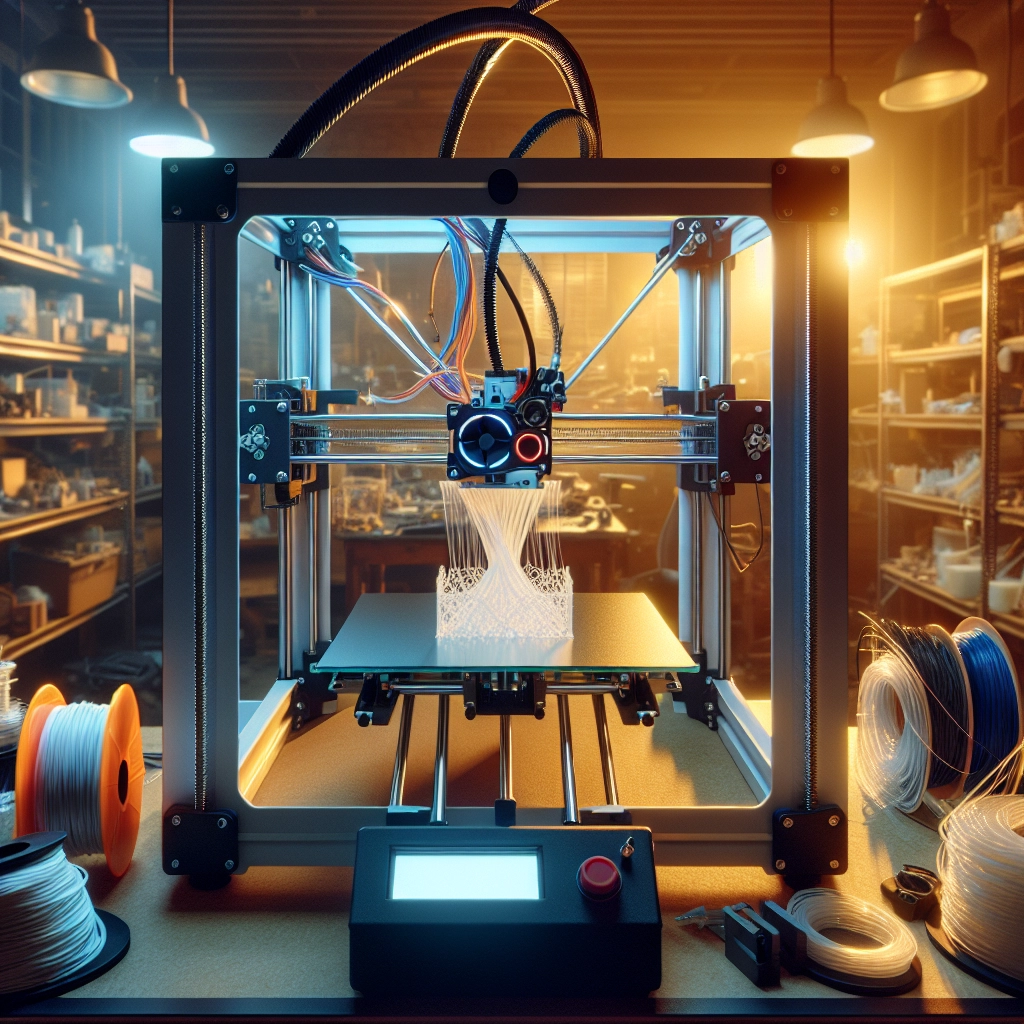

Exploring Dual Filament 3D Printing: Benefits and Challenges
If you’ve dabbled in the world of 3D printing, you might have come across the term "dual filament 3D printing." It’s one of those buzzwords that gets tossed around, but what does it actually mean? And more importantly, what are the benefits and challenges associated with it? Let’s take a closer look!
What Is Dual Filament 3D Printing?
In simple terms, dual filament 3D printing refers to the ability to use two different types of filament in a single print job. This means you can combine materials with different properties, colors, or characteristics to create something truly unique. Whether you’re a hobbyist looking to add flair to your prints or a professional aiming for superior functionality, dual filament printing opens up a world of possibilities.
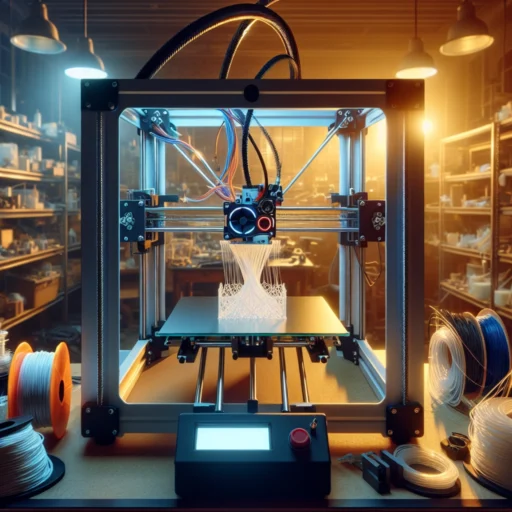
Imagine printing a model that has a flexible part, like a rubber band, plus a solid, rigid part. You can achieve this with a dual extruder that allows you to switch between two types of filament seamlessly during the print process. Pretty cool, right?
The Benefits of Dual Filament Printing
1. Versatility in Design
One of the most exciting benefits of dual filament 3D printing is design versatility. You’re not limited to a single material anymore! Want a colorful model with intricate patterns? Or perhaps a functional piece with hard and soft sections? Dual filament printing allows you to experiment without restrictions, making your designs more dynamic and visually appealing.
2. Enhanced Properties
By combining different filaments, you can enhance the final product’s properties. For example, you might combine a rigid plastic like PLA with a flexible material like TPU. This blend can lead to objects that have both toughness and flexibility, suitable for applications in robotics, custom tools, and even consumer products.
3. Color Variety
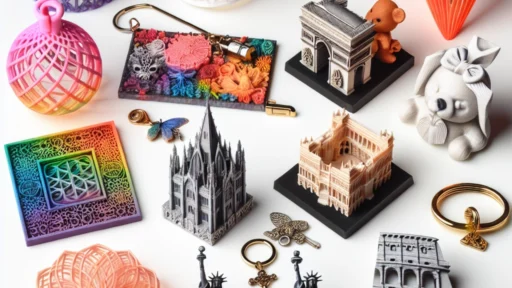
For those who appreciate aesthetics, dual filament printing is a joy. You can create multi-colored designs in a single print job, which would otherwise require tedious post-processing techniques. With the right slicing software, you can easily designate where each filament should be used, resulting in vibrant models that pop.
4. Support Structures
Many dual extruder setups allow you to print support structures with a different filament than the main object. For example, you can use a water-soluble filament for the support material, meaning that once your print is finished, you can simply dissolve the support in water, leaving behind a perfectly smooth finish. This is especially useful for intricate designs with overhangs that would be tricky to support otherwise.
The Challenges of Dual Filament Printing
1. Setup Complexity
While dual filament printing offers numerous benefits, it does come with its own set of challenges. One major hurdle is the complexity of the setup. A dual extruder printer often requires more calibration and tuning than a single extrusion system. Finding the right slicing settings for two different materials can be a bit of a science experiment!
2. Filament Compatibility
Let’s not forget about filament compatibility. Not all materials play nicely together; some might require different temperatures, while others could even chemically react. It’s important to do your homework and ensure that the filaments you choose can work in harmony during the same print. A little research can go a long way toward avoiding print failures.
3. Increased Printing Time
Another challenge is the potential for longer printing times. Since dual filament printing necessitates additional switching between two filaments, the process might not be as quick as you’d expect. Depending on the complexity of your model and the settings you choose, be prepared for longer hours in front of your printer.
4. Maintenance
Finally, maintenance could be more demanding. A dual extruder setup means more components that could go wrong, which might lead to more troubleshooting. Regular cleaning and upkeep of both extruders are crucial to ensure consistent quality in your prints.
Wrapping It Up
Dual filament 3D printing is an exciting frontier for makers and designers alike, offering a myriad of opportunities to experiment with material and design. While the challenges can be daunting—from setup complexity to filament compatibility—the rewards can be transformative. The ability to merge aesthetics with functionality, create stunning multi-colored designs, and print complex structures can take your 3D printing projects to the next level. With a little patience and practice, diving into the world of dual filament printing can lead to outstanding results that showcase your creativity. So, gather your filaments and let your imagination run wild! Who knows what amazing creations await you?