

Exploring the Creative Potential of 3D Design Software
In a world where imagination meets technology, 3D design software has emerged as an inspiring canvas for creators of all kinds. From professional designers to hobbyists, the tools available today can transform the wildest dreams into stunning visual realities. Whether you’re sculpting characters for a video game, designing a new product, or building architectural models, 3D design software opens up a universe of creative possibilities. So, let’s dive into the creative potential of this innovative technology and see how it can elevate your projects!
A New Dimension of Creativity
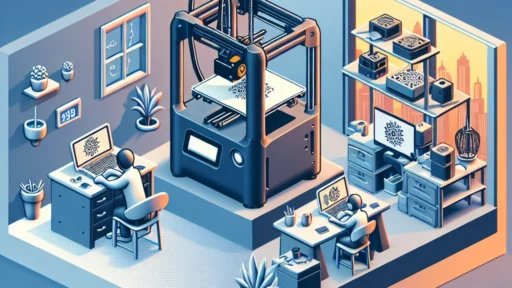
Remember those days of sketching ideas on paper or using clay to mold your creations? Now, imagine doing all that but with a digital twist. 3D design software allows you to visualize concepts in a way that’s both dynamic and interactive. This not only enhances creativity but also streamlines the design process. You can rotate, scale, and manipulate your 3D models, making it easier to see how different elements work together in real-time.
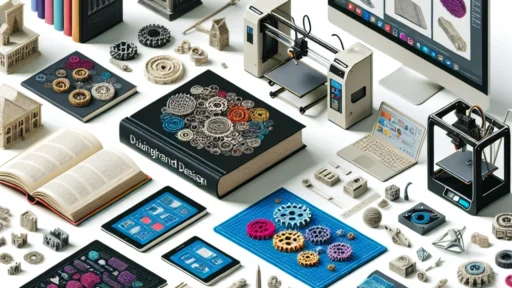
For instance, software like Blender offers an extensive range of functionalities, from modeling and animation to texturing and rendering. This robust set of tools enables artists to push their creative boundaries, turning a simple idea into a full-fledged project. Software like Tinkercad also caters to beginners, letting you get started with ease and confidence.
The Artistic Community and Collaboration
One of the most exciting aspects of 3D design software is the vast community surrounding it. Whether you’re a novice just getting your feet wet or an experienced designer, there’s a wealth of resources available at your fingertips. Online forums, social media groups, and tutorial websites allow you to connect with fellow artists, share insights, and collaborate on projects.
Platforms like Sketchfab and ArtStation provide a space for creators to showcase their work and get feedback. These communities often host challenges and contests, pushing you to think outside the box and elevate your skills. Plus, seeing what others are creating can spark new ideas and inspiration for your own ventures. Collaboration can lead to breakthrough designs that might not have been possible alone, demonstrating the power of community in the creative process.
Transforming Industries
The implications of 3D design extend far beyond the art world. Industries such as architecture, fashion, gaming, and even medicine are increasingly relying on 3D technology to innovate and solve problems. ArchViz and CAD (computer-aided design) have become staples in architecture, providing stunning visualizations that help clients understand a project before it’s built.
In the fashion industry, designers can create virtual outfits, allowing them to experiment with fabrics and styles without ever cutting a piece of cloth. This not only saves costs but also reduces waste, making the industry more sustainable. Similarly, in gaming, 3D design software allows developers to create immersive environments and characters, bringing worlds to life and engaging players like never before.
The Rise of 3D Printing
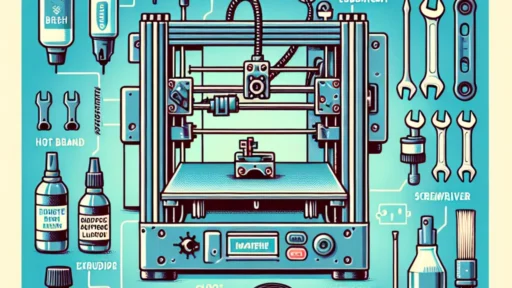
One of the most exhilarating advancements linked to 3D design software is the rise of 3D printing. This technology allows creators to take their digital models and turn them into tangible objects. If you’re an artist, engineer, or entrepreneur, being able to print your designs can transform your work from a digital concept to a physical prototype in no time.
Imagine designing a prototype for a new gadget or model that solves a real-world issue. Using 3D printing, you can iterate your designs quickly, adjusting and refining them based on real-time feedback. From jewelry to architectural models to custom tools, 3D printing offers endless possibilities for bringing ideas to life.
Accessibility and Learning Curve
One of the best aspects of today’s 3D design software landscape is the growing accessibility. Many applications, including Blender and Tinkercad, are either free or very affordable, allowing anyone with a passion for creativity to dive in without breaking the bank. With an abundance of online tutorials, courses, and workshops, it has never been easier to start learning the ropes.
While it’s true that there’s a learning curve associated with most software, perseverance pays off. The initial struggle often leads to moments of pure creativity and breakthroughs that make the effort worthwhile. Once you get the hang of it, the ability to create intricate designs can be incredibly rewarding.
As we embrace the potential of 3D design software, it’s clear that this technology is revolutionizing how we create, share, and collaborate. Whether you use it for professional purposes or as a hobby, each new skill you learn can open up even more opportunities for creativity. So, why not take the plunge? Explore the myriad functions and let your imagination soar in this vibrant three-dimensional world where anything is possible!