

Making Sense of 3D Printing Resins: What You Need to Know
3D printing has taken the world by storm, transforming how we create everything from tiny figurines to functional prototypes and intricate art pieces. While we often hear about the magic of extruding filament in traditional 3D printing, the realm of resin printing—also known as stereolithography, or SLA—offers an entirely different experience for creators. If you’re thinking about diving into the world of 3D printing with resins, it’s essential to understand what makes them unique and which types will suit your projects best. Let’s unpack the world of 3D printing resins!
What Are 3D Printing Resins?
At its core, resin 3D printing works by using a liquid photopolymer resin that hardens when exposed to specific wavelengths of light, typically UV light. These resins come in liquid form and are cured layer by layer to build up your final design. This process allows for incredible detail and smooth finishes, making it particularly popular among hobbyists, designers, and professionals alike.
Types of 3D Printing Resins
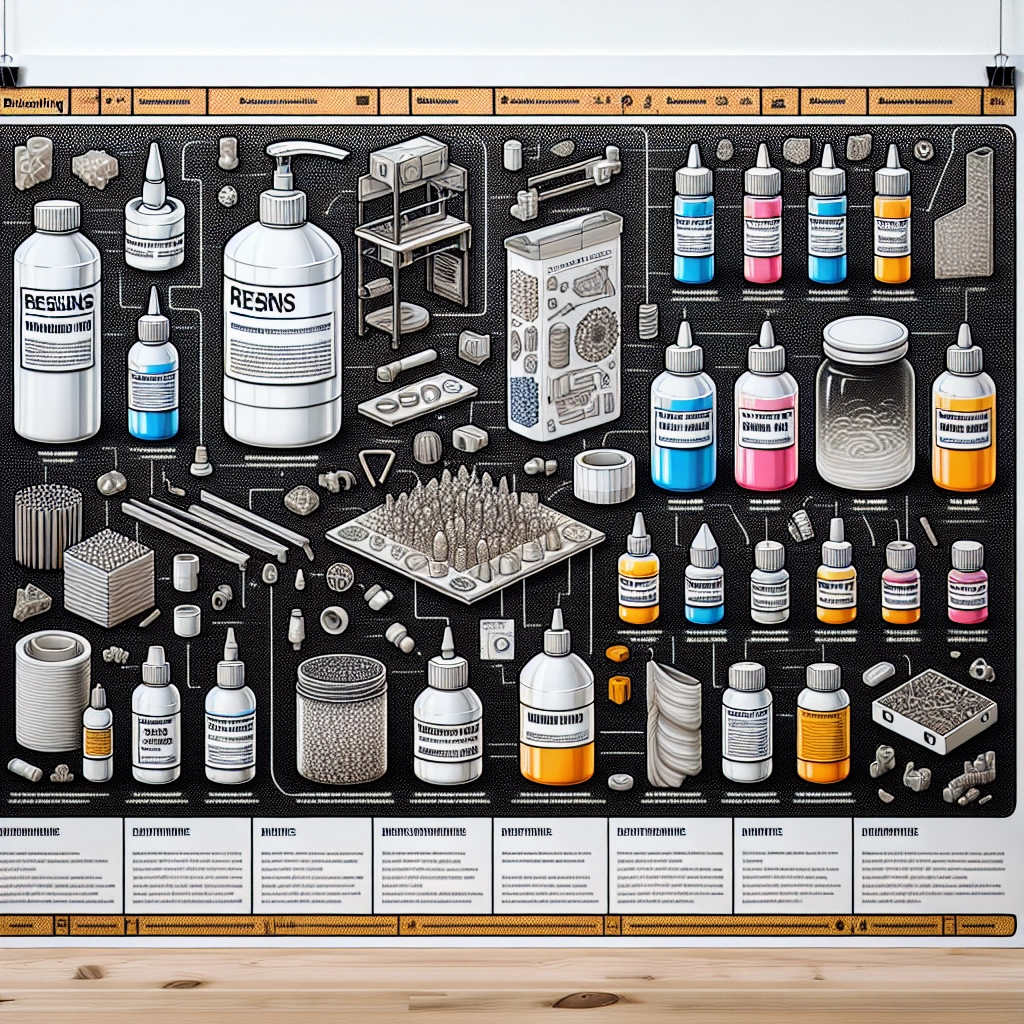
Not all resins are created equal. Here are some of the most common types of resins you’ll encounter, each designed for specific applications and outcomes.
Standard Resins
Standard resins are the most versatile and widely used. They produce parts with a smooth finish and good detail, making them ideal for prototypes, conceptual models, or anything where detail is crucial. However, while they look great, they may not be the toughest, so they’re generally best for display models rather than functional parts.
Tough Resins
If you need something with more durability, tough resins might be what you’re looking for. These resins are engineered to resist impacts and handle stress better than standard options. They’re perfect for creating parts that need to withstand mechanical use, such as tools or functional prototypes.
Flexible Resins
Flexible resins offer a unique feel, allowing you to produce parts that mimic the properties of rubber. These are fantastic for applications like gaskets, flexible joints, or even prototypes for wearable items. If your project requires some squish, flexible resins can lend a helping hand.
Castable Resins
For jewelry makers and those in the ceramics industry, castable resins are a game-changer. These resins burn away cleanly when cast in metal or other materials, allowing for detailed patterns that are fine for intricate designs. They’re perfect if you’re looking to create custom pieces that require a specific mold.
Dental and Medical Resins
Specialty resins exist for specific industries as well. Dental resins are biocompatible and made for producing dental applications like crowns or aligners. Similarly, medical resins are designed with safety and sterility in mind, making them suitable for various healthcare applications.
High-Temperature Resins
Lastly, if you require parts that can withstand heat, high-temperature resins are your best bet. These are engineered for applications where thermal resistance is necessary. Whether for prototyping components in industries like automotive or aerospace, these resins hold up under more extreme conditions than typical materials.
How to Choose the Right Resin
The choice of resin often boils down to your project’s specific needs. Ask yourself questions like:
- What level of detail do I need? For intricate designs, go with standard or specialty resins like castable.
- Is durability a concern? Tough resins are your friend here.
- Will the part need flexibility? Flexible resins can help with that.
- Am I working in a specialized field? Explore specialized resins designed for your industry.
Always remember to check the manufacturer’s specifications for each resin type, as properties can vary widely even within similar categories.
Safety Considerations
Before embarking on your resin printing journey, it’s crucial to keep safety in mind. Resin can be toxic and irritating to skin and eyes. Always wear gloves and work in a well-ventilated area to minimize exposure. Additionally, ensure you have proper cleanup materials on hand, as spilled resin can be messy and challenging to clean.
Wrapping Up
3D printing resin opens up a world of possibilities for both hobbyists and professionals. Whether you’re crafting delicate jewelry, prototyping intricate mechanical parts, or experimenting with art, understanding the nuances of different resins can enhance your creativity and efficiency. As you explore the vast landscape of resin options, remember that the right material can not only save you time but also elevate your final product. So, gear up, get your printer up and running, and let the imagination trade dust for dreams!