

3D Printing for Education: Engaging Students with Hands-on Learning
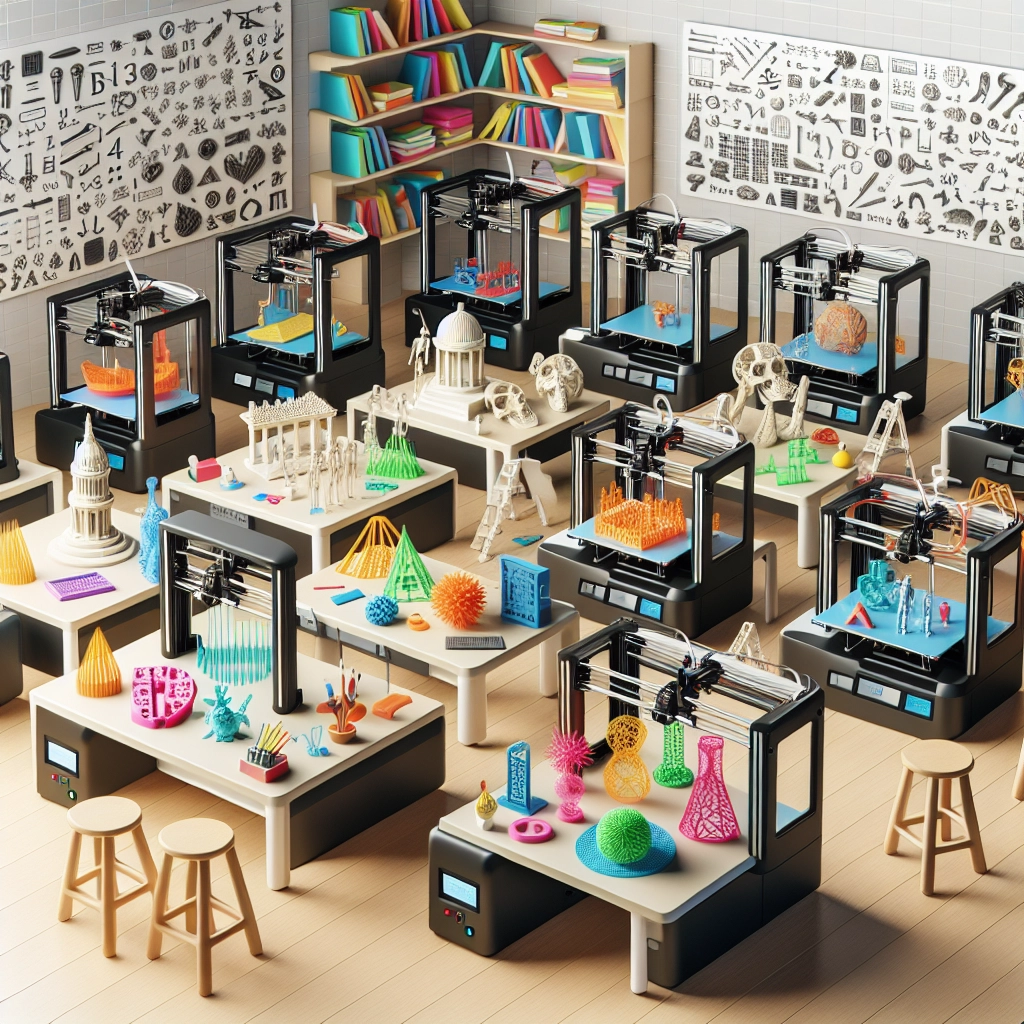
There’s no denying that the education landscape has changed dramatically over the past few years. Traditional methods of teaching are being supplemented (or even replaced) with exciting new technologies, none more transformative than 3D printing. Picture a classroom buzzing with excitement, where students are not just passively receiving information but actively engaged in hands-on learning. This is the reality that 3D printing is helping to create, and it’s revolutionizing how students interact with their studies.
The Magic of 3D Printing
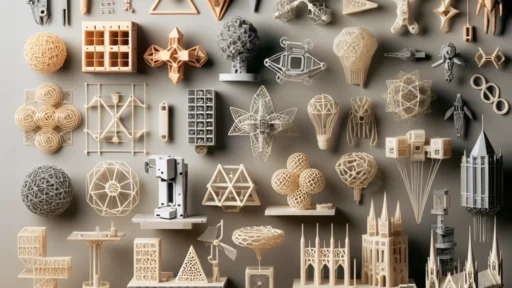
So, what exactly is 3D printing? At its core, it’s the process of creating a physical object from a digital model, layer by layer. Think of a magical machine that can bring your wildest ideas to life. In an educational setting, this means students can design and print everything from simple geometric shapes to complex engineering prototypes or historical artifacts. The possibilities are endless, and it’s this versatility that truly makes 3D printing a game-changer for education.
Fostering Creativity and Innovation
One of the most remarkable benefits of incorporating 3D printing into the classroom is the way it fosters creativity. Imagine a group of students tasked with designing a product that solves a specific problem. They can use their imagination to create a prototype, print it, and then present it to the class. This not only encourages innovative thinking, but it also helps students to develop valuable skills like collaboration and problem-solving.
For example, in a science class, students might work in teams to design a model of a sustainable energy solution. After brainstorming and sketching their ideas, they can create a 3D model of their concept. Seeing their ideas come to life can be a powerful motivator, igniting a passion for the subject matter that traditional learning methods often fail to ignite.
Hands-On Learning: A New Dimension
3D printing also takes hands-on learning to a completely new level. It allows students to move from theoretical knowledge to practical application in ways that textbooks simply cannot provide. With 3D printers, students can build tangible models of concepts they might struggle to grasp otherwise.
For instance, imagine students studying geometry. Instead of just learning about shapes and angles through diagrams, they can create those shapes in a three-dimensional space. By holding, observing, and manipulating their creations, they’re likely to understand mathematical principles far better than through memorization alone. This tactile approach can cater to various learning styles, helping visual and kinesthetic learners thrive.
Cross-Disciplinary Connections
Another exciting aspect of 3D printing in education is how it encourages cross-disciplinary learning. 3D modeling can bridge the gap between subjects like art, science, and engineering. Students in art class could design sculptures that incorporate mathematical principles, while a history lesson could involve recreating artifacts or structures from ancient civilizations.
The collaboration that develops from these projects helps break down the walls between disciplines, promoting a more integrated learning approach. Teachers can work together to design comprehensive projects that touch on multiple subjects, demonstrating the interconnectedness of knowledge in the real world.
The Path to Career Readiness
As educators strive to prepare students for an increasingly complex job market, 3D printing equips them with skills that are in high demand. Proficiency in technology, design software, and project management are just a few of the competencies that come into play when students engage with 3D printing. They learn to think critically, adapt quickly, and work effectively in teams—traits that will serve them well in any career path they choose.
Moreover, as various industries adopt 3D printing technologies—from healthcare to aerospace—the exposure students gain in the classroom could spark an interest in a tech-driven career.
Challenges and Considerations
While 3D printing has many benefits, it also presents challenges. The initial costs can be steep, and schools must consider not only the price of the printers but also training for teachers and maintenance. There is also the question of curriculum integration—how do we fit this into an already packed schedule?
However, the rewards can often outweigh the challenges. As more educators explore these possibilities, the conversation about how to best integrate 3D printing into classrooms continues to evolve, leading to innovative solutions that make this technology accessible to all.
In a world hungry for innovation and creativity, introducing 3D printing into education opens up new horizons for students. By engaging them in hands-on learning, we’re not just teaching them concepts—we’re empowering them to be thinkers, creators, and problem solvers. And that’s what truly prepares them for the future! It’s about unlocking their potential, one layer at a time.