

Understanding the Properties of Various 3D Printing Filaments
3D printing has revolutionized how we create everything from intricate prototypes to custom art pieces. One of the most exciting aspects of this technology is the variety of materials—known as filaments—that we can use. Each filament comes with its own unique set of properties, making it suitable for different applications. If you’re a novice or even an experienced 3D printing enthusiast, understanding these properties can help you make better choices for your projects. So, let’s dive into the fascinating world of 3D printing filaments!
PLA (Polylactic Acid)
PLA is arguably one of the most popular filaments among beginners, and for good reason. It’s made from renewable resources like cornstarch or sugarcane, making it environmentally friendly. PLA is easy to print with, even on basic 3D printers, and it adheres well to build surfaces.
In terms of properties, PLA has a low melting temperature (about 180-220°C), which makes it compatible with almost all standard 3D printers. It produces detailed prints with vibrant colors. However, it’s not the most heat-resistant material, which means it may warp or deform under high temperatures. For projects that don’t require high durability or temperature resistance, PLA is an excellent choice.
ABS (Acrylonitrile Butadiene Styrene)
If you’re looking for strength and durability, ABS may be your go-to filament. It’s widely used in the manufacturing of plastic toys, automotive parts, and other items due to its toughness and resilience. Printing with ABS does require a heated bed, as it has a higher melting point (around 210-250°C) and is prone to warping during the cooling process.
One of the standout features of ABS is its ability to withstand higher temperatures compared to PLA. It can be easily sanded and painted, making it a favorite among hobbyists for creating functional prototypes. However, it does emit fumes during printing, so it’s important to work in a well-ventilated area or use an enclosure for your 3D printer.
PETG (Polyethylene Terephthalate Glycol-Modified)
So, what if you want the best of both worlds? Enter PETG. This filament combines the ease of printing and environmental benefits of PLA with the strength and durability of ABS. PETG has a higher melting point than PLA (usually around 220-250°C) but is more forgiving when it comes to temperature and warping than ABS.
One of the most appealing qualities of PETG is its resistance to moisture and chemicals, making it suitable for various applications, from food containers to parts exposed to outdoor elements. Plus, it prints beautifully crisp details, thanks to its excellent layer adhesion. For anyone looking for a versatile material that checks all the boxes, PETG is definitely worth considering.
TPU (Thermoplastic Polyurethane)
If flexibility is what you need, look no further than TPU. This is a flexible filament that can stretch and bend without breaking, similar to rubber. Its unique properties make it the ideal choice for items like phone cases, wearable tech, or any application that requires a bit of elasticity.
Printing with TPU can present challenges, though. It requires a well-calibrated printer and a bit of patience since it can jam in some extruders due to its flexible nature. However, when done right, TPU parts are incredibly durable and can withstand significant wear and tear.
Nylon
Nylon filaments are known for their incredible strength and durability, making them perfect for functional parts that require flexibility and resilience. You’ll find nylon commonly used in engineering and industrial applications, from gears to high-strength components.
However, nylon does have its quirks. It can be challenging to print with, often requiring a higher temperature (around 240-270°C) and specific bed surfaces to minimize warping. It’s also known for its moisture absorption, which can affect print quality, so storing it in a dry environment is essential.
Specialty Filaments
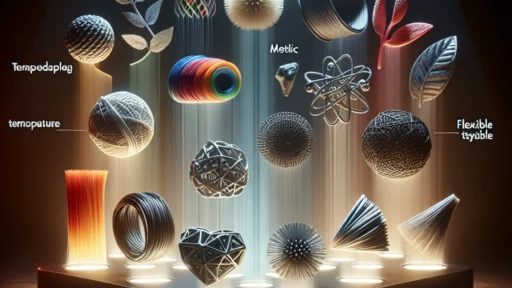
Beyond these common options, the world of 3D printing includes specialty filaments like carbon fiber-infused, metallic, or wood-fill materials. These filaments can add unique textures and properties to your prints, catering to niche projects or creative endeavors. They often require specific printer settings and hardware, so be sure to do your research before jumping into these advanced materials.
The beauty of 3D printing lies in its endless possibilities, and the diverse range of filaments allows creators to match the right material to the right project. Whether you’re crafting functional tools, artistic creations, or prototypes, understanding filament properties helps you choose wisely. As you explore and experiment, you’ll discover the filament that perfectly meets your needs, leading to impressive prints that will surely inspire your next 3D printing adventure. Happy printing!