

Exploring the World of Flexible Filaments in 3D Printing
3D printing has taken the world by storm, revolutionizing how we think about manufacturing, design, and creativity. While many people are familiar with traditional filaments like PLA and ABS, flexible filaments are the rising stars of the 3D printing realm, introducing a new layer of possibilities. Whether you’re a hobbyist, an engineer, or simply curious about the latest trends in 3D printing, let’s delve into the fascinating world of flexible filaments!
What Are Flexible Filaments?
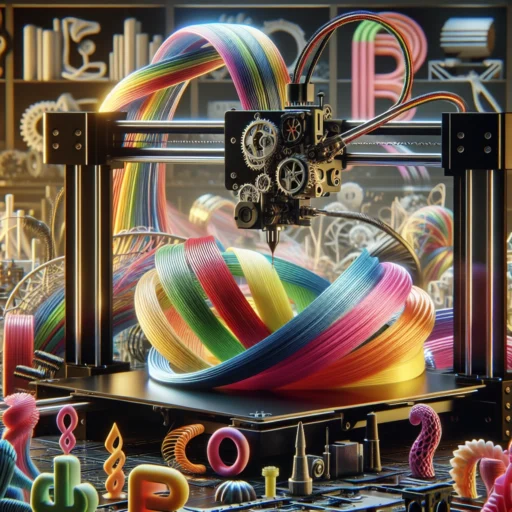
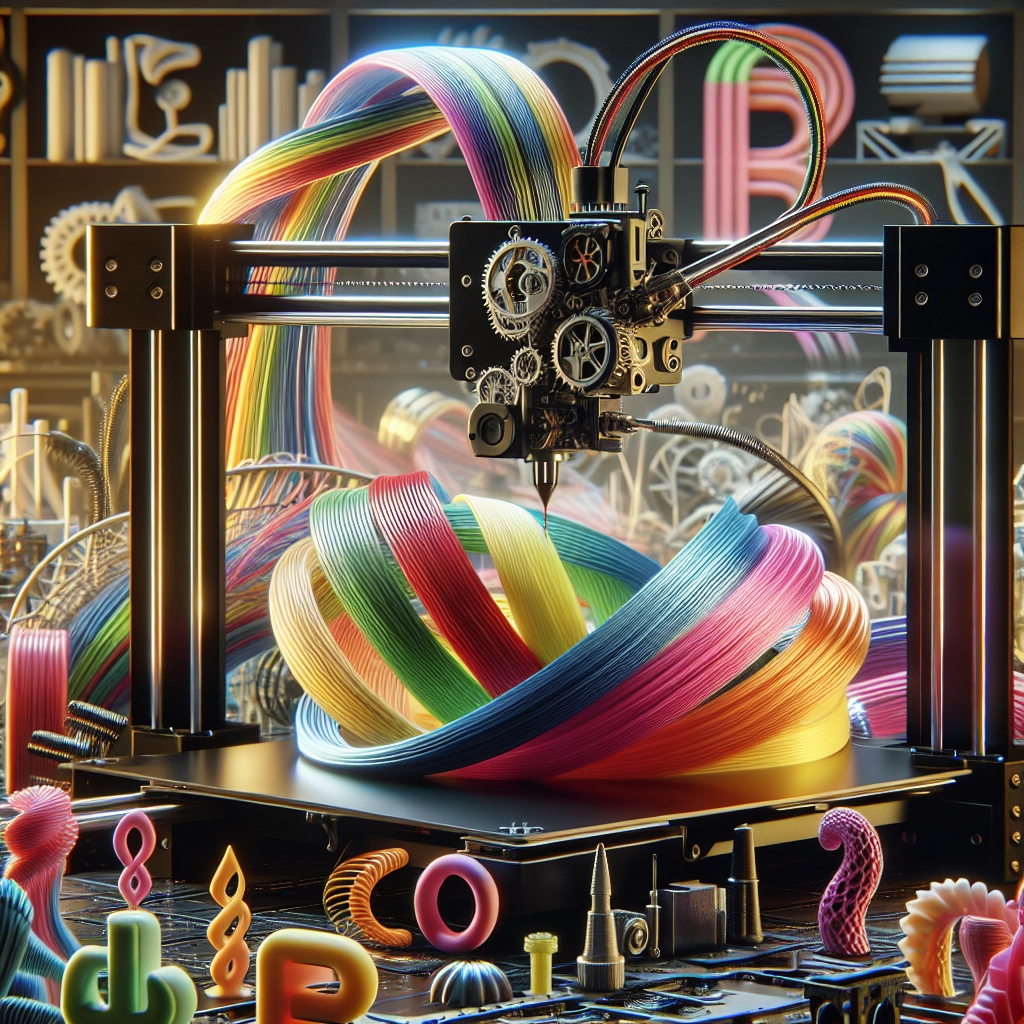
At their core, flexible filaments are materials designed to bend, stretch, and compress without breaking. Unlike standard filaments that can snap if too much force is applied, flexible filaments open the door to creating soft, pliable objects. They’re made from elastomers, which gives them that unique rubber-like quality. The most common types include Thermoplastic Polyurethane (TPU) and Thermoplastic Elastomer (TPE). Each has its own set of characteristics that make it suited for different applications.
Why Use Flexible Filaments?
The advantage of flexible filaments goes beyond mere aesthetics or fun shapes; they offer functional benefits that traditional materials can’t match. Here are a few compelling reasons why you might want to explore using flexible filaments:
-
Durability: Many flexible filaments are highly resistant to wear and tear, making them ideal for products like phone cases, seals, and gaskets.
-
Shock Absorption: The softness of these materials allows them to absorb impact, useful for protective gear or parts that may receive a considerable amount of stress.
-
Customizability: Want to design something that fits perfectly around an odd-shaped object? Flexible filaments allow customization that traditional rigid filaments can’t match.
-
Versatility: They’re suitable for a wide array of applications – from prototypes to final products, toys to medical devices, and everything in between.
Printing with Flexible Filaments: Challenges and Tips
While the advantages are tempting, printing with flexible filaments isn’t without its challenges. Unlike rigid filaments, they can be tricky to work with. But don’t fret; with a few adjustments, you can achieve fantastic results:
1. Printer Setup
Make sure your 3D printer is fully compatible with flexible filaments. Direct drive extruders are preferred since they allow for better control over the filament feeding. Bowden setups can lead to more challenges due to the distance the filament needs to travel.
2. Speed and Temperature Adjustments
Printing speeds should generally be lower for flexible filaments – think about 15 to 30 mm/s. Additionally, adjusting the temperature based on the specific filament’s requirements can also make a significant difference in the quality of your print.
3. Bed Adhesion
Getting the first layer right is crucial! Use a heated bed, and consider using a brim for better adhesion. Different surfaces such as glass or PEI can yield varying results, so a bit of experimentation may be necessary.
4. Cooling
While some flexible filaments can benefit from cooling, excessive cooling can lead to warping or uneven layers. It’s generally advisable to print with minimal cooling for best outcomes.
Applications of Flexible Filaments
Now that you’re geared up with knowledge on printing, let’s explore some exciting applications for flexible filaments:
- Footwear: Custom-fit insoles or even entire shoes can be designed and printed, offering personalized comfort.
- Medical Devices: Depends on the application, flexible filaments can be used to create prosthetics or even wearable tech that conforms to the body.
- Toys: Need a bouncy, flexible toy? Flexible filaments are perfect for producing fun, interactive toys that require movement.
- Home Goods: Think mats, coasters, or even specific storage solutions that fit snugly into your home.
Final Thoughts
Flexible filaments have truly transformed the landscape of 3D printing, providing creators with new possibilities to explore. They encourage innovation and customization in ways that rigid materials simply can’t match. While they come with their unique challenges, the satisfaction of crafting soft, flexible designs makes it all worth it.
Whether you’re a newbie or a seasoned pro, embracing the versatility of flexible filaments can inspire you to experiment and stretch your creative limits. So, why not dive into the world of flexible 3D printing? You might just find your next big project waiting to take shape!