
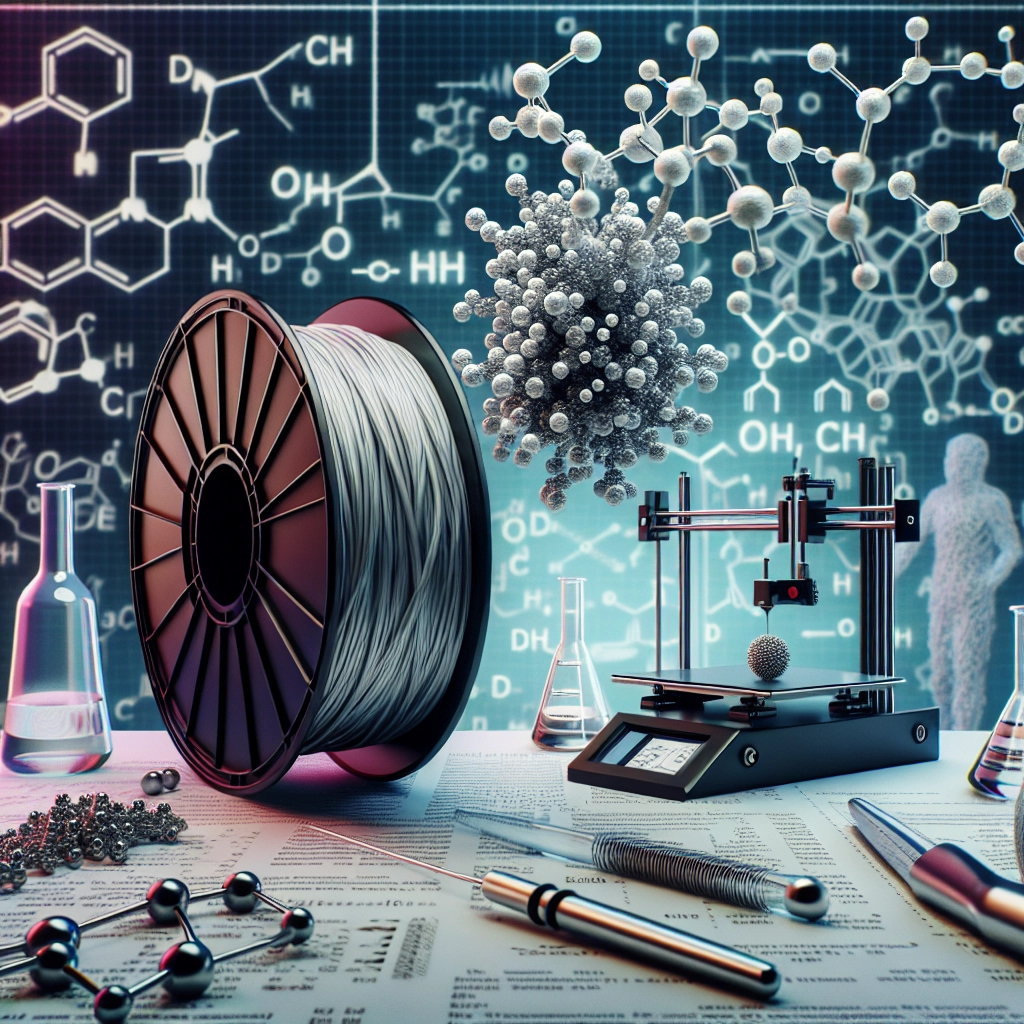

Understanding the Science Behind 3D Printing Filament Composition
3D printing has taken the world by storm, pushing the boundaries of creativity and innovation. Whether you’re crafting custom toys, intricate parts for machinery, or even unique kitchen gadgets, the magic often lies in the filament you choose. But have you ever stopped to think about what goes into that colorful spool of material sitting on your shelf? Let’s dive into the science behind 3D printing filament composition and uncover how different materials can affect your projects.
What is 3D Printing Filament?
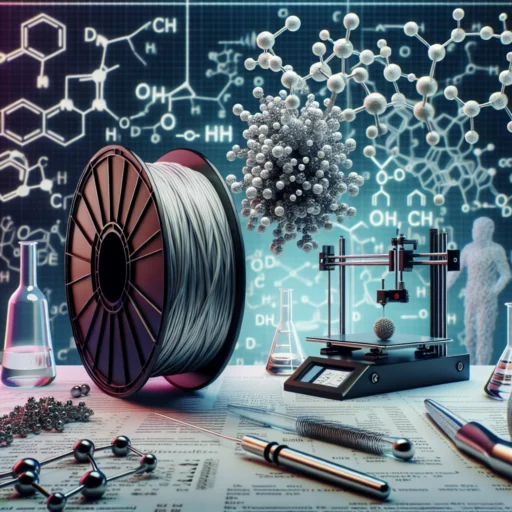
At its core, 3D printing filament is a thermoplastic material that serves as the "ink" for 3D printers, particularly those using Fused Deposition Modeling (FDM) technology. As the name implies, these materials are heated until they melt and can be extruded through a nozzle, layer by layer, to create a three-dimensional object.
The most commonly used filaments today include PLA (polylactic acid), ABS (acrylonitrile butadiene styrene), and PETG (polyethylene terephthalate glycol-modified). Each of these materials comes with distinct properties that cater to different needs in the 3D printing world.
The Science Behind Common 3D Printing Filaments
Let’s break down the composition of some of the most popular 3D printing filaments and why they are used for various applications.
1. PLA (Polylactic Acid)
PLA is one of the most popular 3D printing filaments, especially among beginners. It’s made from renewable resources like cornstarch or sugarcane. This makes it not only biodegradable but also a popular choice for environmental enthusiasts.
Why Use PLA?
- Ease of Use: It has a lower melting temperature (around 180-220°C), which means it’s less prone to warping.
- Finishing: PLA prints have a glossy finish and can show off fine details beautifully.
- Odorless: Unlike some other filaments, PLA has a sweet smell while printing. But don’t be fooled; it can be brittle and is not suitable for high-temperature applications.
2. ABS (Acrylonitrile Butadiene Styrene)
ABS is another widely-used filament, recognized for its strength and durability. It’s the same material used in many household items, including LEGO bricks.
What Makes ABS Stand Out?
- Mechanical Properties: ABS has excellent toughness and impact resistance, making it great for functional parts that need to withstand wear.
- Heat Resistance: It holds up better in higher temperatures compared to PLA.
- Post-Processing: It can be easily sanded or painted, allowing for a polished finish. However, it does release fumes while printing, so good ventilation is essential!
3. PETG (Polyethylene Terephthalate Glycol-Modified)
PETG is a versatile filament that combines the best features of PLA and ABS. It’s derived from the same family of materials used in plastic bottles.
Why Choose PETG?
- Strength and Flexibility: It balances mechanical properties, offering both strength and flexibility without being as brittle as PLA.
- Ease of Printing: PETG is less prone to warping and is suitable for beginners, similar to PLA.
- Food Safe Options: Many brands offer food-safe versions of PETG, making it suitable for kitchenware or containers.
The Role of Additives
Beyond these primary filaments, manufacturers often include various additives to enhance performance, alter appearance, or modify properties. For example, carbon fiber or metal powders can be mixed in to create composite filaments. These can result in stronger prints, but they can also play a role in wear and tear on your printer’s nozzle.
Furthermore, some filaments can be blended with glow-in-the-dark materials to create unique aesthetic pieces. Others come infused with wood or stone for a more organic look and feel. The choice of additive can dramatically change how your final print looks and functions.
Choosing the Right Filament for Your Project
Selecting the right filament can feel intimidating, but understanding the composition helps demystify the process. Consider the intended use of your printed object, whether you require flexibility, durability, or something aesthetically pleasing. Each filament type brings its own set of attributes to the table, and knowing these can help guide your choice.
With ongoing advancements in 3D printing materials and technology, the possibilities seem endless. As you experiment with different types, keep in mind the science behind their compositions, and you’ll gain a deeper appreciation for the art and chemistry behind 3D printing. The next time you load your printer with filament, you’ll not only be bringing your idea to life but also harnessing the wonder of material science!