

The Future of 3D Printing: What to Expect in Technology Advancements
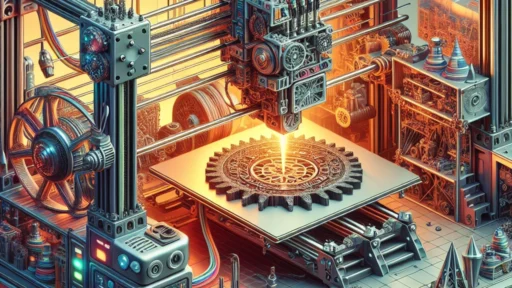
3D printing—also known as additive manufacturing—has come a long way since its inception. Remember the days when we thought 3D printing would only be valuable for creating prototypes? Fast forward to today, and it’s revolutionizing industries from healthcare to aerospace, and even arts and crafts. As we look to the future, the possibilities that lie ahead are nothing short of exciting!
Expanding Materials Landscape
One of the most significant advancements in 3D printing is the continuous development of new materials. Initially, 3D printers were mostly limited to plastics or resin, but today, we’re seeing an explosion of materials that can be used—from metals and ceramics to intricate biocompatible materials. In the near future, we can expect even more innovations in this space. Imagine 3D printing with organic materials that can mimic human tissues or groundbreaking alloys that can withstand extreme conditions. This democratization of material science means that artists, engineers, and designers will have endless possibilities at their fingertips.
Redefining Manufacturing
Manufacturing is on the brink of a major transformation. Traditional manufacturing processes are often complex, costly, and wasteful. 3D printing, on the other hand, allows for streamlined production with minimal waste. With advancements like multi-material printers and larger build volumes, we can expect a shift towards on-demand manufacturing. This capability will not only reduce inventory costs but also allow for more customization. Businesses and consumers alike will benefit from products tailored specifically to their needs.
Creating in Space
When thinking about the future of 3D printing, it’s hard not to marvel at its potential in space exploration. NASA and other space agencies have been experimenting with 3D printing to create parts and supplies in space, reducing the need to transport everything from Earth. Imagine astronauts being able to print tools or even habitats on Mars! As 3D printing technology advances, we may see the first "3D printed" human-made structures on other planets, paving the way for a new era of exploration.
Sustainability: A Greener Tomorrow
Sustainability is the buzzword of today’s technological advancements, and 3D printing has an important role to play in that arena. With the ability to recycle materials and a reduction in waste, it could lead the way towards more eco-friendly manufacturing practices. Additionally, new processes are evolving that will enable us to utilize bio-materials or even waste materials. Picture buildings constructed from recycled plastics or biodegradable materials that contribute positively to our environment. The future of 3D printing holds the potential to shape a more sustainable world.
Revolutionizing Healthcare
Healthcare is another field experiencing a 3D printing revolution. Customized implants, prosthetics, and even bioprinted tissues are becoming more commonplace. The future could see even more advanced applications, such as 3D printing organs right on-site in hospitals or developing drug delivery systems that are tailored to the specific needs of individual patients. This personalized medicine approach could significantly improve recovery times and health outcomes. Just think about how transformative it would be to have organs specifically designed for a patient’s unique anatomy!
Accessibility and Cost Reduction
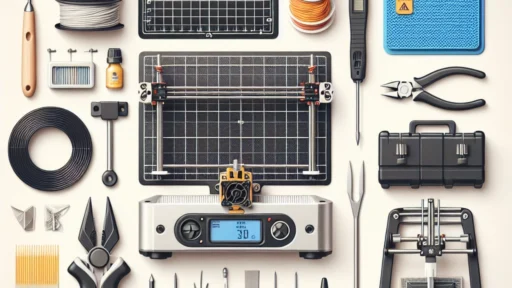
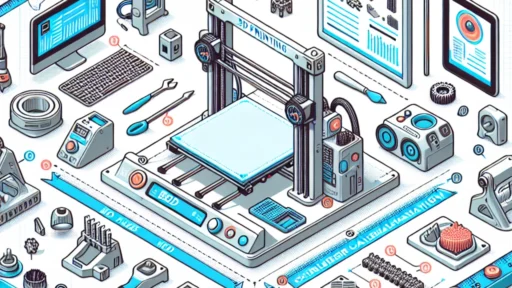
As technology matures, we’ll also likely see a decrease in the cost of 3D printers and materials. This democratization will make 3D printing accessible to not just businesses, but schools and hobbyists. In the coming years, we might see classrooms filled with 3D printers, enabling the next generation of innovators to design, create, and iterate with ease. With platforms allowing users to share designs, the learning curve may shrink, and creativity will soar.
The Rise of Industry Standards
As 3D printing evolves, we will need industry standards to ensure quality and safety. In the future, we can expect organizations to establish guidelines to regulate the materials used, processes followed, and products produced. This will not only enhance the credibility of 3D printing but will also foster collaboration among companies, researchers, and governments.
As we gaze into the future of 3D printing, the opportunities seem endless. From creating customized healthcare solutions to revolutionizing manufacturing and exploring new frontiers in space, this technology is poised to reshape countless aspects of our lives. Whether you’re a hobbyist, a professional designer, or simply an enthusiast of innovation, there’s no denying that 3D printing will play an increasingly vital role in our collective journey ahead. The next few years could very well redefine what we believe is possible, sparking creativity and innovation in ways we can only begin to imagine.