

Essential Safety Measures for 3D Printing at Home
3D printing is revolutionizing the way we create and manufacture items, turning enthusiasts into inventors right from the comfort of their homes. The excitement of printing everything from toys to tools can be a great bonding experience, especially if you have kids eager to watch the magic unfold. But with great power comes great responsibility, and it’s equally important to ensure that your home printing space is safe. Here are some essential safety measures to consider when embarking on your 3D printing journey.
1. Know Your Materials
First things first, let’s talk about the materials you’ll be using. Most home printers run on filaments like PLA (polylactic acid) or ABS (acrylonitrile butadiene styrene). PLA is generally safe and derived from cornstarch, making it a popular choice among newbies. On the other hand, ABS can release fumes that may be harmful in poorly ventilated areas, so knowing what you’re working with is crucial.
Before starting a project, familiarize yourself with the safety data sheets (SDS) for your filaments. Understanding the potential hazards can help you choose materials wisely and use them safely.
2. Ventilation is Key
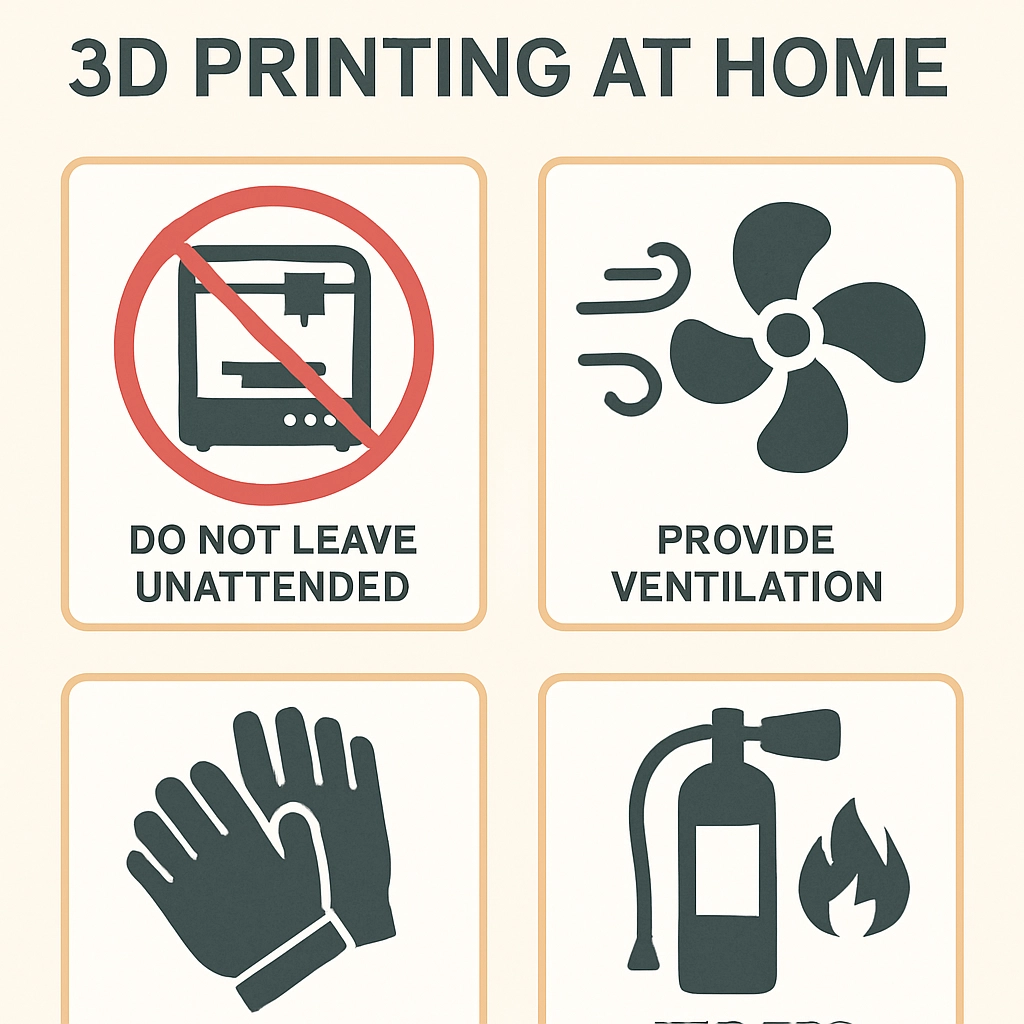
Speaking of materials, proper ventilation is essential when 3D printing, especially with materials like ABS or nylon. Make sure your printing area is well-ventilated to avoid the buildup of harmful fumes. If possible, set up your printer near an open window or use exhaust fans or air purifiers to circulate the air.
For more extensive projects, consider building or investing in a fume extractor which will help filter harmful particles out of the air. You want to create not just a fun space, but a healthy one!
3. Handle Your Printer with Care
3D printers heat up to high temperatures, and certain components, like the print bed and nozzle, can get dangerously hot. Always wait for your printer to cool down before touching it after a print job. Additionally, make sure to handle sharp tools, such as spatulas or scrapers, with caution. It’s best to keep your hands out of harm’s way!
Also, keep the printer itself in a sturdy, stable place. A shaky surface can lead to misprints or even accidents. Securely fasten the printer once you’ve got it set up to minimize these risks.
4. Educate Yourself and Others
If you’re starting your 3D printing adventure and are planning to have your kids involved, take some time to educate them about safety practices in the workspace. It’s a great chance to instill habits that promote mindfulness and respect for technology.
Use this time to talk about the tools involved in the process, how to be mindful around the printer, and why certain precautions are essential. Make it fun! Perhaps create a mini safety manual together, detailing the do’s and don’ts.
5. Monitor the Printing Process
While 3D printing is often a set-it-and-forget-it operation, it’s vital to keep an eye on the printer during the process. Hardware failures can lead to fires or other mishaps. Set reminders to check on your printer regularly, or consider investing in a webcam that allows you to monitor the process remotely.
If something doesn’t seem right, such as unusual noises or error messages, don’t hesitate to intervene. If your printer is malfunctioning, it might lead to more than just a failed print—it can put your home at risk.
6. Store Materials Safely
Storing your filaments and printing materials is just as important as printing with them. Keep your filaments in a cool, dry place to prevent moisture absorption, which can lead to poor print quality. Some enthusiasts even go the extra mile by using airtight containers or desiccants to combat humidity.
Additionally, always keep the workspace clear of clutter. A tidy area can make it easier to focus and reduces the chance of accidents, particularly when children are involved.
7. Use Safety Gear
If your printing involves sanding or finishing the printed items, wear protective eyewear and a mask to shield yourself from debris and dust. This also goes for handling sharp tools and materials.
Having a first aid kit on hand in your workspace isn’t a bad idea either. Accidents can happen, and being prepared can make a world of difference.
3D printing opens up endless creative possibilities, but it’s essential to prioritize safety in your home workshop. By taking these precautions, you can cultivate a rewarding and secure atmosphere for experimentation and innovation. So print away, but remember—the best creations not only look good but are made safely. Happy printing!