
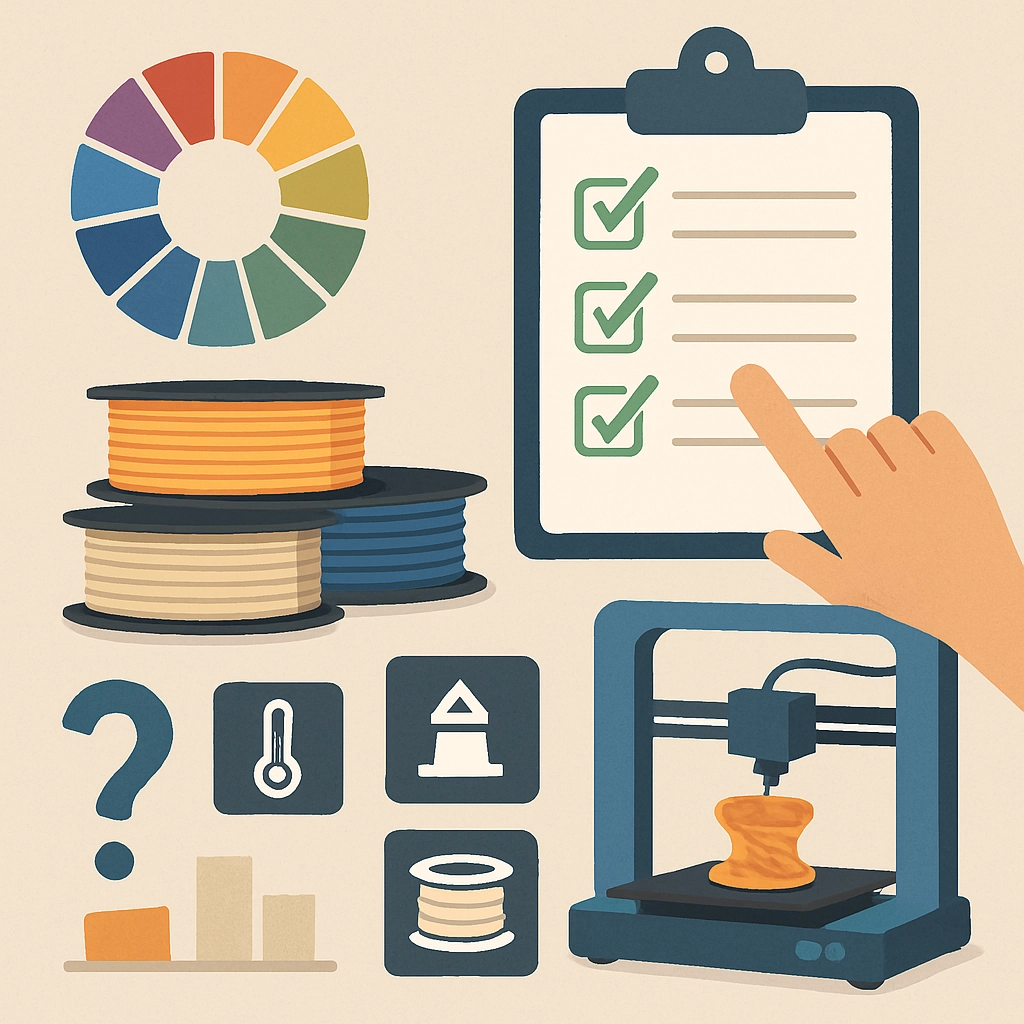

How to Choose the Right 3D Filament for Your Printer
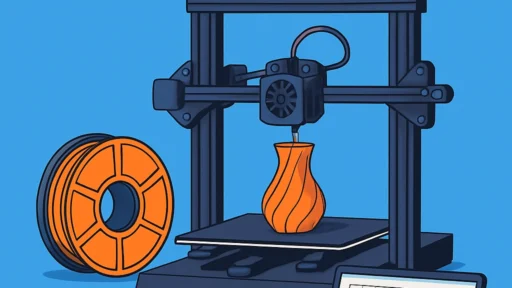
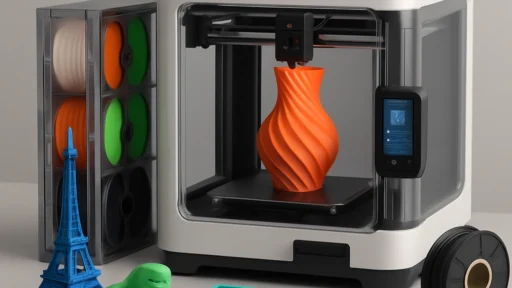
When diving into the exciting world of 3D printing, one of the first decisions you’ll face is selecting the right filament for your printer. With a myriad of options available—ranging from eco-friendly PLA to more robust nylon—it can be a bit daunting. So, let’s explore how to make the best choice for your projects, ensuring you end up with beautiful prints every time.
Understand Your 3D Printer
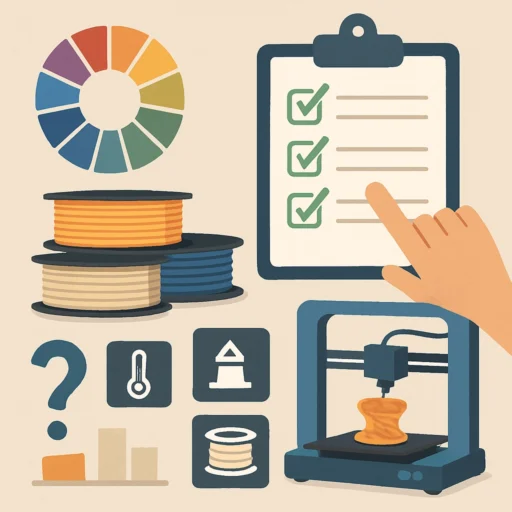
The first step in your filament journey is understanding what your 3D printer can handle. Most desktop printers are compatible with PLA (Polylactic Acid) and ABS (Acrylonitrile Butadiene Styrene), but not all printers are created equal. Be sure to check your printer’s specifications, particularly the recommended filament types and any limitations regarding nozzle temperature and bed adhesion.
PLA: The Beginner’s Best Friend
If you’re new to 3D printing, PLA is a fantastic place to start. It’s made from renewable resources like corn starch and sugarcane, making it an eco-conscious option. PLA is easy to work with; it adheres well to most surfaces, and you can print it without a heated bed. Plus, it’s available in a rainbow of colors and finishes, from glossy to matte.
However, keep in mind that PLA isn’t the most durable material out there. It’s great for prototypes or decorative items, but if you’re looking to create functional parts that need to withstand heat or stress, you might want to consider other options.
ABS: Durable and Versatile
If you require something that can stand up to higher temperatures and mechanical stress, ABS might be your go-to. This material is tougher than PLA, making it perfect for functional parts like joints, brackets, or toys that can take a beating. The downside? ABS can be trickier to print with; it tends to warp and requires a heated bed to keep prints secure.
PETG: The Best of Both Worlds
Enter PETG (Polyethylene Terephthalate Glycol-Modified), a popular middle-ground filament that combines the benefits of both PLA and ABS. It has excellent adhesion, prints well with a heated bed, and is known for its durability and resistance to impact and temperature. PETG is also food-safe in its pure form, which makes it ideal for kitchen gadgets or other food-related models.
Specialty Filaments: When Standard Isn’t Enough
As your skills grow and your projects become more ambitious, you might want to look into specialty filaments like TPU (Thermoplastic Polyurethane) for flexibility or Nylon for strength. These materials can bring exciting new dimensions to your prints, but they often require more advanced settings or even specific printers.
TPU is great for items that need to bend or stretch, like phone cases or wearable parts. However, it can be finicky, needing careful calibration to avoid clogging the nozzle during printing.
Nylon, while incredibly strong and durable, is known for being hygroscopic—it absorbs moisture from the air, which means you’ll need to store it properly to maintain print quality. It’s an excellent choice for functional parts or mechanical applications, but definitely a step up from more beginner-friendly materials.
Color and Finish
Don’t overlook the aesthetic aspects of your prints! Filament comes in a dizzying array of colors and finishes. Consider how your final product will look—do you want a shiny or matte finish? Transparent or opaque? Many manufacturers offer unique filament blends that add texture or even a metallic finish, allowing you to go beyond the standard colors.
Brand Matters
With so many brands of filament on the market, finding one that produces consistent, high-quality results is key. Read reviews and join online communities, such as forums or social media groups, to hear what others have to say. Filament quality can greatly influence your printing experience—from the ease of use to the final look of your prints.
Final Thoughts
Choosing the right filament for your 3D printer is about balancing practicality and creativity. Start with the basics, like PLA, and gradually explore other options as you gain confidence in your skills and your printing needs evolve. No matter what you choose, the key is to experiment and have fun—each new print is an opportunity to learn something new. As you develop your craftsmanship and discover new materials, you’ll unlock the potential to create just about anything you can imagine! Happy printing!