

Frequently Asked Questions About 3D Printing Answered
If you’ve recently dabbled in the world of 3D printing, chances are you’ve come across a few questions along the way. It’s fascinating technology, but it can also be a bit of a rabbit hole, especially if you’re just starting out. So, whether you’re a curious beginner or someone looking to sharpen your knowledge, let’s delve into some of the most frequently asked questions about 3D printing.
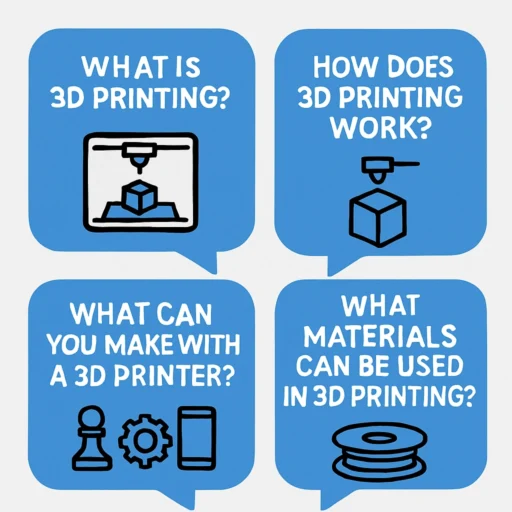
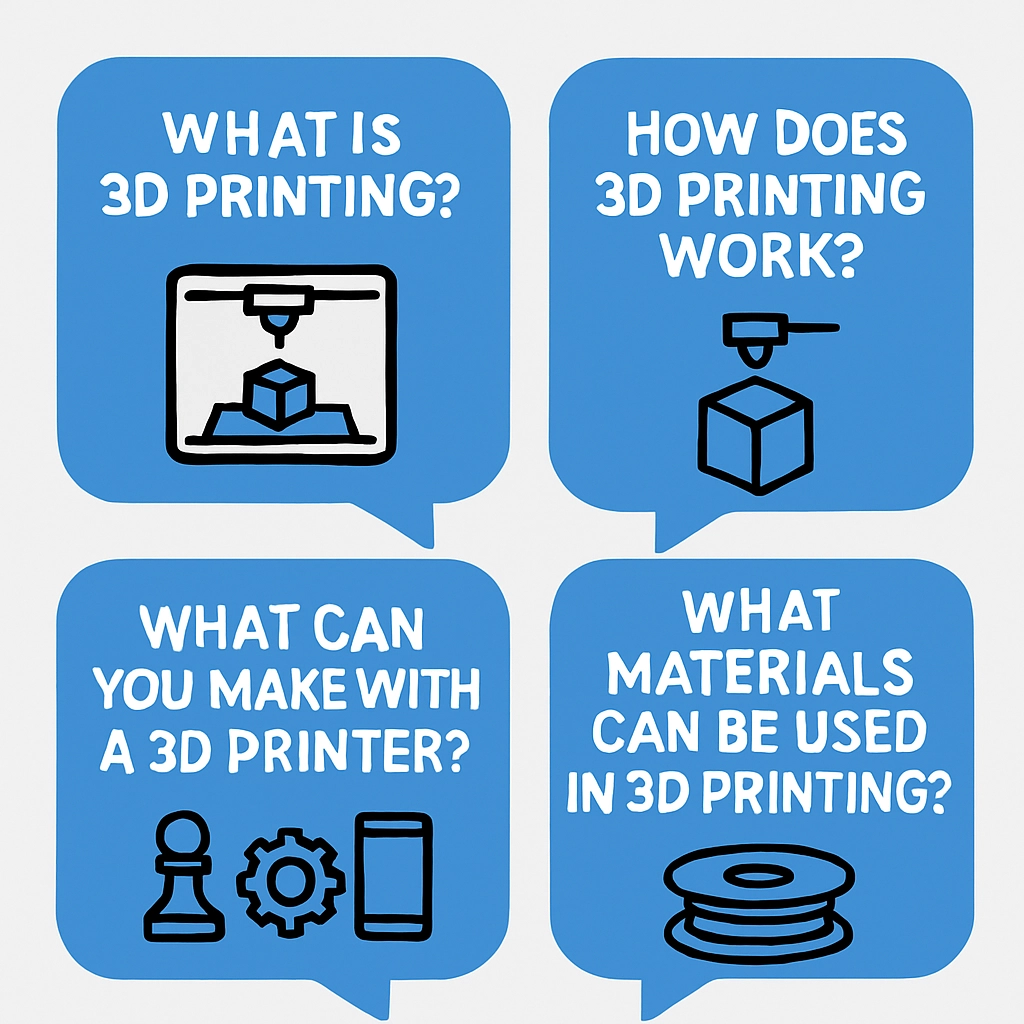
What is 3D printing?
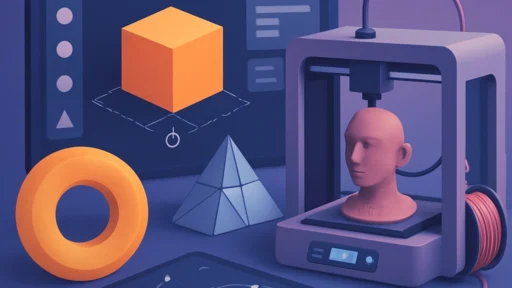
At its core, 3D printing is a manufacturing process that creates three-dimensional objects layer by layer from a digital model. It’s often referred to as additive manufacturing because it adds material rather than subtracting it, like traditional machining methods. You design an object using computer-aided design (CAD) software, and then the 3D printer interprets this design to produce a physical version of your creation.
How does 3D printing work?
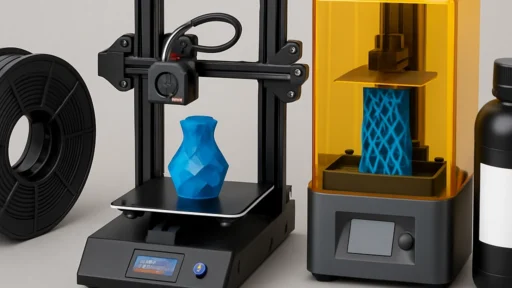
The process starts with a digital file that outlines the dimensions and features of the object you want to create. This file is sliced into thin horizontal layers, which serve as blueprints for the printer. Depending on the technology you use—like Fused Deposition Modeling (FDM) or Stereolithography (SLA)—the printer will either melt plastic filament or cure resin to build the object layer by layer.
What materials can be used in 3D printing?
One of the coolest aspects of 3D printing is the variety of materials available. Common options include:
- Plastics: The most widely used material, particularly PLA (Polylactic Acid) and ABS (Acrylonitrile Butadiene Styrene).
- Metals: Used primarily in industrial applications for parts that require strength and precision.
- Resins: Often utilized in SLA printers, offering high detail and smooth finishes.
- Composites: Mixing materials, like carbon fiber-infused filaments, enhances the properties of the printed objects.
- Ceramics and even food: Yes, you can 3D print pizzas! The possibilities are pretty much endless.
What can I create with a 3D printer?
From practical items to whimsical creations, 3D printers are capable of making a wide range of products. Some popular applications include:
- Prototyping: Engineers and designers often use 3D printing to quickly prototype their concepts.
- Customized items: Think phone cases, jewelry, or bespoke tools tailored to your specific needs.
- Art and sculpture: Artists are jumping into the space to create intricate designs that would be difficult or impossible to make by hand.
- Replacement parts: Need a new knob for your blender? 3D printing might be your go-to solution.
Do I need to know how to code?
While having some understanding of coding can be helpful, it’s far from a necessity! Most 3D printing software is user-friendly and designed for individuals without much technical expertise. You’ll primarily be working with CAD software to create designs and slicing software to prepare your files for printing. If you can navigate basic computer applications, you’ll likely find the learning curve manageable.
How much does 3D printing cost?
This question can vary quite a bit based on several factors, including the type of printer you choose, material costs, and whether you’re printing at home or using a service. Entry-level FDM printers can be found for under $200, while industrial machines can reach tens of thousands of dollars. Material costs also fluctuate. For instance, a spool of PLA filament might set you back around $20, while specialty resins can be more expensive.
Is 3D printing safe?
While 3D printing can be safe, there are some precautions you should take. Make sure to print in well-ventilated areas, especially when using thermoplastics, which can emit fumes. Also, always keep your printer maintained and follow the manufacturer’s operating instructions to prevent accidents.
What’s next for 3D printing?
The future of 3D printing is super exciting! Innovations are constantly emerging, from bioprinting organs and tissues to constructing buildings. Many industries are exploring 3D printing to streamline production processes, reduce waste, and even create fully customized products on demand.
As this technology evolves, it’ll likely permeate even more aspects of our lives, making it vital to stay informed and engaged. Who knows? Maybe you’ll even pioneer a new solution or hobby in this thrilling arena!
In a world that seems to revolve around automating tasks and mass production, 3D printing presents a refreshing alternative, allowing for creativity and personalization at your fingertips. It’s about not just making something new but also about making it your own, illustrating beautifully how technology can foster innovation and creativity. Embrace the process, and who knows what you’ll bring to life?