
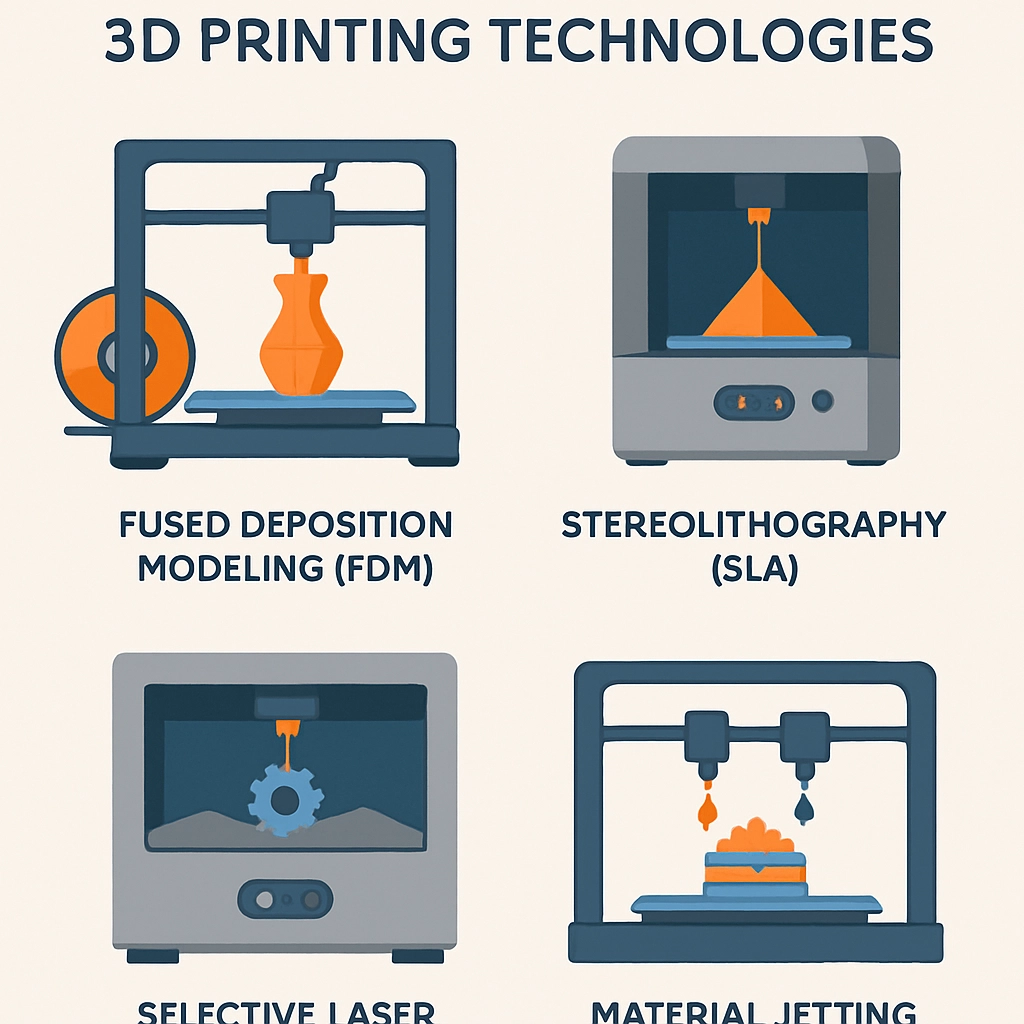

Understanding the Different Types of 3D Printing Technologies
In the world of manufacturing and design, 3D printing has emerged as a game changer. It allows for rapid prototyping, customization, and reduced waste, making it a popular choice across various industries. If you’re curious about the different types of 3D printing technologies out there, you’re not alone! Let’s dive into the fascinating world of 3D printing and explore the various technologies that make it all possible.
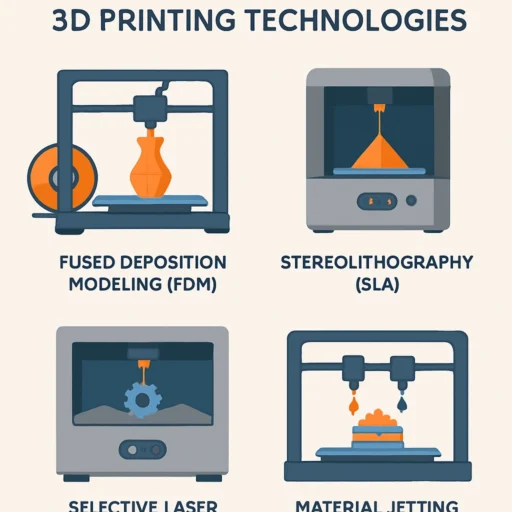
Fused Deposition Modeling (FDM)
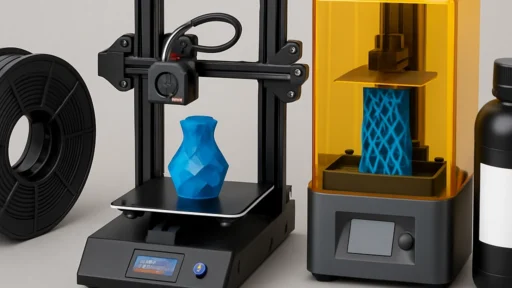
Let’s kick things off with one of the most common types of 3D printing – Fused Deposition Modeling (FDM). This method works by melting a thermoplastic filament and extruding it through a heated nozzle layer by layer to build a 3D object. It’s relatively straightforward and is often used for everything from hobbyist projects to educational purposes.
FDM printers are known for their affordability and ease of use, making them a favorite for beginners. You can find a wide range of materials to work with, from basic plastics like PLA and ABS to more advanced materials that have properties like flexibility or heat resistance. However, FDM prints can sometimes lack detail compared to other methods, particularly in terms of intricate designs.
Stereolithography (SLA)
Moving on, let’s talk about Stereolithography (SLA). This technology uses a completely different approach. Instead of melted plastic, SLA utilizes a liquid resin that gets cured by a UV light source. The UV light hardens the resin layer by layer, gradually forming the desired object.
SLA is famous for producing high-resolution prints with incredible detail and a smooth finish. It’s particularly popular in industries that require precision, such as jewelry design, dental applications, and prototyping intricate models. However, SLA printers tend to be more expensive, and the resin used can have a distinctive odor—plus, there’s a bit of post-processing involved to clean up the prints.
Selective Laser Sintering (SLS)
Next up is Selective Laser Sintering (SLS), which takes 3D printing to a more industrial level. SLS works by using a high-powered laser to fuse powdered materials like nylon or metal together, layer by layer. The process is carried out in a chamber filled with powder, allowing for complex geometries without the need for support structures, which is a major advantage.
The robust nature of SLS prints makes them ideal for functional parts and prototypes that need to withstand real-world stress. Industries like aerospace and automotive utilize SLS for creating durable parts. However, the upfront cost of an SLS printer is significantly higher, making it less accessible for hobbyists.
Digital Light Processing (DLP)
Another technology worth mentioning is Digital Light Processing (DLP), which is somewhat similar to SLA. Like SLA, DLP also uses a liquid resin, but instead of utilizing a laser, it employs a digital light projector to cure the resin layer by layer. This results in faster print times since it exposes entire layers at once rather than tracing outlines with a laser.
DLP prints can achieve great detail, similar to SLA, and the finish is often quite smooth. Because of its ability to quickly produce high-quality prints, DLP has found its niche in well-defined applications, such as in producing dental molds and custom jewelry. However, the resin cost and the need for post-processing can be a deterrent for some users.
Material Jetting (MJ)
Lastly, let’s explore Material Jetting (MJ), a method that bears a resemblance to traditional inkjet printing – just on a whole different level. MJ involves jetting droplets of liquid photopolymer onto a build platform and then curing them with UV light. This technique allows for multi-material prints, meaning you can create objects with varying colors and properties in a single print run!
MJ is often utilized for creating highly detailed prototypes that require aesthetic appeal, and it’s favored in design applications such as consumer products and architecture models. However, similar to other resin-based methods, it can be expensive and requires careful handling and post-processing.
Wrap-Up
With so many types of 3D printing technologies available, it’s clear that we’re living in an inspiring era of creativity and innovation. Whether you’re a beginner exploring the world of FDM or a seasoned professional interested in the intricacies of SLS, there’s likely a 3D printing method just waiting to be discovered that meets your needs. As the technology continues to evolve, so will the possibilities it offers, empowering individuals and businesses alike to bring their imaginations to life. Whatever your interest lies in, embracing the fascinating world of 3D printing could be just the catalyst you need to spark your next great project!