

The Benefits of Multi-Material 3D Printing
In the ever-evolving world of technology, 3D printing has made significant strides since its inception. Once primarily limited to single-material outputs, the industry has expanded to embrace multi-material 3D printing. This innovation opens up new avenues for creativity, functionality, and manufacturing efficiency. If you’re curious about what multi-material 3D printing can bring to the table, let’s dive into some of the amazing benefits this technology offers.
The Power of Versatility
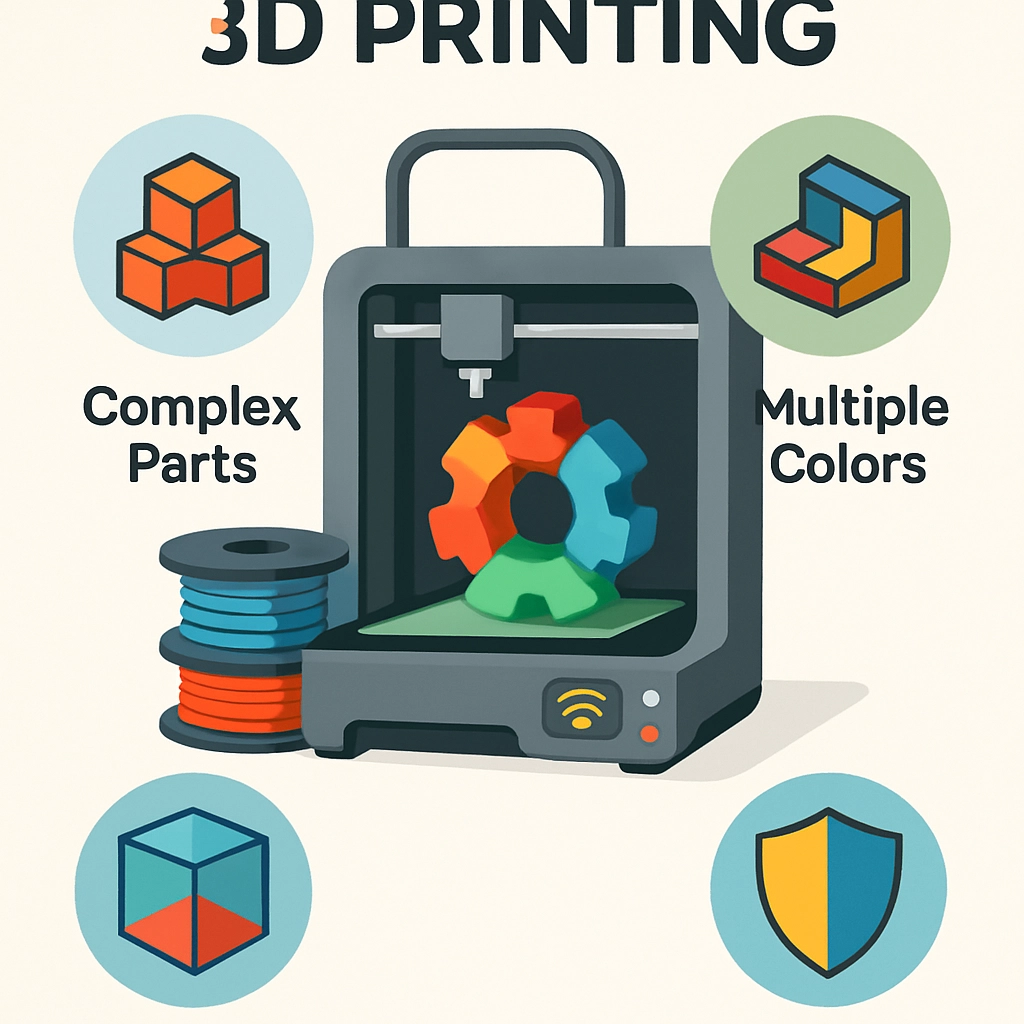
One of the most striking advantages of multi-material 3D printing is its versatility. Imagine creating an object that not only has varying colors but also combines different materials — rubber for flexibility, plastic for durability, and maybe even metal for structural integrity. This capability allows designers and engineers to develop complex assemblies as a single print, eliminating the need for multiple parts and the associated assembly processes.
This versatility is especially significant in industries like aerospace, automotive, and healthcare, where applications often require unique combinations of materials tailored for specific functions. For example, in prosthetics, you can combine a soft, comfortable outer layer with a rigid support structure, creating a personalized device that addresses both comfort and functionality.
Enhanced Product Performance
Multi-material 3D printing doesn’t just enhance aesthetic appeal; it can also lead to improved product performance. By strategically pairing materials with varying properties, products can be designed to meet specific performance criteria. Think of a component with a hard outer shell that resists wear and a soft inner layer that acts as a cushion. This combination can absorb shock while maintaining overall strength.
This capability can also reduce weight, which is a crucial factor in industries like aerospace, where every gram counts. By optimizing material usage, manufacturers can create parts that maintain their functionality without unnecessary heft.
Streamlined Production Processes
3D printing, in general, is known for its efficiency, but multi-material printing takes that a step further. Traditional manufacturing often involves multiple steps, including sourcing various materials, assembling parts, and handling quality control for each piece. Multi-material printing consolidates this process, allowing for a single print that incorporates all necessary functionalities.
This streamlining results in quicker production times and can even reduce waste significantly. When you can produce complex designs all in one go, it not only speeds up time-to-market but also enhances the sustainability of production by minimizing leftover materials.
Increased Design Freedom
Have you ever found yourself limited by traditional manufacturing processes when it comes to design? Multi-material 3D printing eliminates many of those barriers. Designers can experiment with more intricate geometries and unique material combinations, leading to truly innovative products. This freedom encourages creativity, pushing the boundaries of what can be created.
3D printing is often referred to as a democratizing technology, allowing creators of all backgrounds to bring their ideas to life. With multi-material capabilities, the designs can be more functional, more aesthetically pleasing, and easier to produce than ever before.
Customization at Its Finest
In our increasingly consumer-driven world, personalization is key. Multi-material 3D printing enables manufacturers to cater to individual preferences easily. Customized gadgets, tailored consumer products, or personalized medical devices are all possibilities. Think about a phone case that fits your style perfectly or a medical implant designed specifically for your anatomy.
With the ability to mix materials with different colors, textures, and properties, creating tailored solutions has never been more accessible or efficient. This can lead to enhanced consumer satisfaction, as products can be made to meet the exact wants and needs of the user.
Cost-Effectiveness
While multi-material 3D printing may seem advanced, it’s important to consider the potential for cost savings in the long run. Although the initial investment in multi-material printers and materials may be higher, the reduction in production steps and the ability to create complex parts without additional assembly can lead to overall cost effectiveness.
When you think about labor costs saved by minimizing assembly time and the reduced material waste, the financial benefits begin to become clear. And as technology continues to develop, these costs will probably decrease and make multi-material printing even more accessible for businesses of all sizes.
Embracing the Future
Multi-material 3D printing is more than just a trend; it’s a leap towards the future of manufacturing and design. As industries continue to recognize its potential, we can expect exciting innovations that transform everyday products and complex machinery alike. So, if you’re a creator, engineer, or simply a fan of what 3D printing can do, keep an eye on this technology. It’s reshaping how we see and experience the world around us, one layer at a time.