

An Introduction to 3D Filaments: Types, Uses, and Tips
3D printing has revolutionized the way we create and fabricate everything from prototypes to art pieces to everyday objects. At the heart of this technology is a little something called filament, which is the material that your 3D printer uses to bring your designs to life. If you’re new to 3D printing or thinking about diving into this fascinating world, it’s essential to understand the different types of filaments available, their unique properties, and some handy tips for usage.
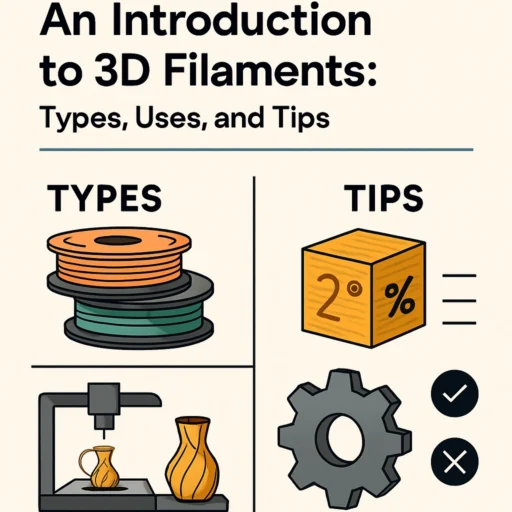
Types of 3D Filaments
There’s a plethora of 3D filaments out there, and each one serves different purposes. Here’s a breakdown of some of the most popular types:
1. PLA (Polylactic Acid)
PLA is the go-to filament for beginners. Made from renewable resources like corn starch or sugarcane, it’s biodegradable, making it an eco-friendly choice. PLA is easy to print, has a low warp rate, and adheres well to the print bed. It’s perfect for creating prototypes, decorative models, and educational projects. The downside? It doesn’t fare well in heat, so it’s not the best choice for outdoor or high-temperature applications.
2. ABS (Acrylonitrile Butadiene Styrene)
ABS is a tough and resilient filament, often used in manufacturing everyday products like LEGO bricks and automotive parts. It’s more durable than PLA and can handle higher temperatures, but it requires a heated bed to print effectively and can give off fumes, so proper ventilation is crucial. If you’re looking to create functional parts or products that need to withstand wear and tear, ABS is worth considering.
3. PETG (Polyethylene Terephthalate Glycol)
If you want the best of both worlds, PETG is a fantastic option. This filament combines the ease of printing found in PLA with the strength of ABS. It’s resistant to impact, moisture, and UV light, making it suitable for outdoor applications. Plus, it produces less odor than ABS, making it a cleaner choice. Whether you’re crafting water bottles, protective cases, or mechanical parts, PETG is a reliable pick.
4. TPU (Thermoplastic Polyurethane)
For those who love flexibility, TPU would be your filament of choice. It’s a rubber-like material that’s stretchy and durable, making it great for printing phone cases, wearables, and other items requiring some give. TPU can be a bit tricky to print since it requires specific settings, but the results can be incredibly rewarding.
5. Specialty Filaments
The 3D printing world doesn’t stop with the basics. There are many specialty filaments out there, like wood-filled filaments that give your prints a natural appearance, or metal-filled options that offer a unique weight and finish. These filaments can create stunning visual effects, but they may require some adjustments to your printer to achieve the best results.
Uses of 3D Filaments
Understanding the different types of filaments also leads to grasping their uses! The beauty of 3D printing is that it allows you to create personalized, custom items tailored to your needs. Here are a few categories where 3D printing shines:
- Prototyping: Rapidly test your designs and ideas without the overhead of traditional manufacturing.
- Art and Decor: Create unique sculptures, wall art, and decorative items that stand out.
- Robotics and Engineering: Produce functional parts and components that may no longer be available commercially.
- Education: Craft teaching aids, models, and hands-on projects that engage students of all ages.
Tips for Successful 3D Printing
Diving into 3D printing can be overwhelming, but a few tips can help you navigate the process smoothly:
-
Understand Your Printer: Each printer has unique specifications and requirements. Familiarizing yourself with your model can save much trial-and-error time.
-
Adjust Settings as Needed: Don’t hesitate to tweak print settings like temperature, speed, and infill based on the filament you’re using.
-
Bed Adhesion Matters: Use proper adhesives or options like blue tape or a glue stick to help your filament stick to the print bed and avoid warping.
-
Clean Your Filament and Printer: Dust and moisture can lead to poor prints, so keep everything clean and dry.
As you embark on your 3D printing journey, remember that experimentation is a critical part of the process. Trying out different filaments, learning from any mistakes, and refining your technique will not only improve your skills but also lead to exciting new discoveries along the way. So load up your printer, find a design that inspires you, and start creating! The world of 3D printing is vast—your only limit is your imagination.