
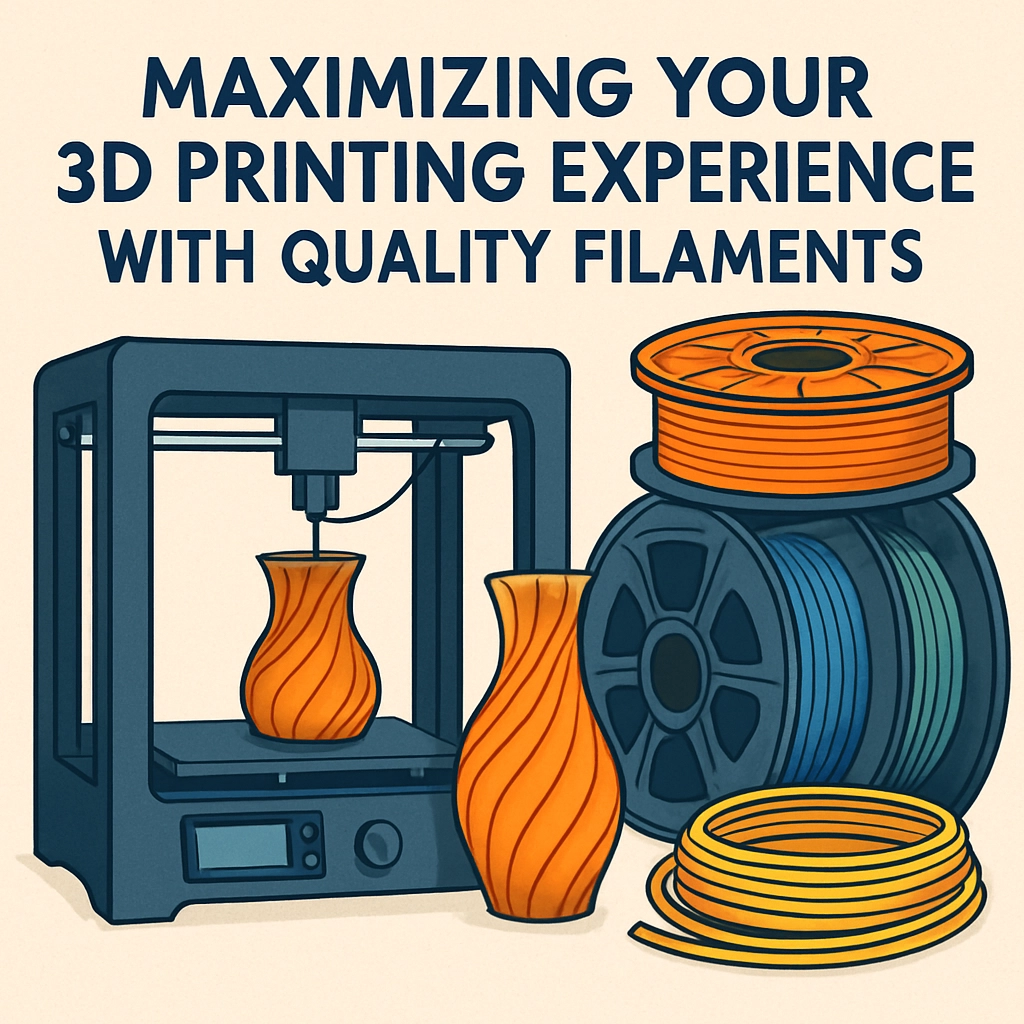

Maximizing Your 3D Printing Experience with Quality Filaments
If you’ve dipped your toes into the world of 3D printing, you already know it’s a fantastic blend of creativity, engineering, and sometimes, good ol’ trial and error. But here’s the kicker: the quality of your prints can greatly depend on the filament you choose. Let’s dive into how to maximize your 3D printing experience by focusing on the importance of quality filaments.
Why Filament Quality Matters
We’ve all heard the saying, “you get what you pay for,” and that couldn’t be more true in the realm of 3D printing filaments. While it may be tempting to chase after the cheapest options, the truth is that lower-quality filaments often lead to woes that might have you pulling your hair out. Think about it: inferior filaments can cause clogs, inconsistent extrusion, and poorly adhered layers, resulting in a new design that looks more like abstract art than the high-quality print you envisioned.
On the flip side, high-quality filaments offer better consistency, durability, and overall print quality. They will ensure that your creations turn out looking just as fabulous as you had imagined, right from the first print.
Understanding Different Types of Filament
First off, let’s talk about the most common types of filaments out there and what they each bring to the table.
PLA (Polylactic Acid)
Yes, this is often the go-to for most beginners! PLA is easy to use, biodegradable, and produces vibrant colors and finishes. It’s great for prototypes and models but has its limits when it comes to strength and heat resistance. If you’re looking for something that will hold up under stress, you might want to explore tougher options.
ABS (Acrylonitrile Butadiene Styrene)
If toughness is what you seek, look no further than ABS. Commonly used in LEGO bricks, it’s stronger and more heat-resistant than PLA. But, be aware! ABS can be a bit of a diva—it requires higher temperatures to print, emits fumes that aren’t great for your health, and is prone to warping if not printed on a heated bed.
PETG (Polyethylene Terephthalate Glycol)
Ah, the middle ground—PETG offers the best of both worlds, combining the benefits of PLA and ABS. It’s fairly easy to print, has great layer adhesion, and is resistant to impacts and chemicals. Plus, it is food-safe, making it a fantastic choice for kitchen tools or containers.
Specialized Filaments
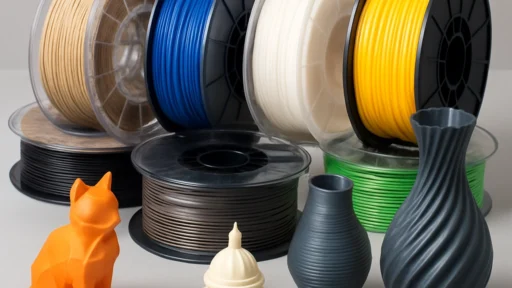
The fun doesn’t stop there! There’s a smorgasbord of specialized filaments out there—like TPU for flexible prints, Nylon for exceptional strength, and even wood or metal-infused filaments if you’re feeling adventurous. Each of these filaments have a peculiar character and lends itself to uniquely creative projects.
Tips for Choosing Quality Filaments
When embarking on your filament expedition, keep these pointers in mind:
-
Research Brands: Not all filaments are created equal. Check what others are saying in forums or on social media. Established brands like Hatchbox, Prusa, or eSun often have test results that can give you a clue.
-
Check Reviews: Look for user reviews and feedback. If folks are consistently raving about a specific filament’s performance, it’s often a good sign.
-
Experiment: Don’t be afraid to try different brands and materials. It can be an enjoyable experience and might lead to some unexpected discoveries!
-
Storage: Quality doesn’t just stop when you buy the filament—it extends to storage. Humidity and dust can mess with your filament, causing moisture absorption and degradation. Consider sealed containers or desiccants to keep them fresh.
-
Test Prints: If you’re trying a new filament for the first time, perform a small test print to ensure it meets your expectations before launching into a larger project.
Enjoying the Printing Process
At the end of the day, 3D printing is an art as much as it is a science. By investing in quality filaments, you elevate your creative journey, minimize frustrating setbacks, and unlock endless possibilities. Playing with different materials and learning their nuances can turn 3D printing from a mere hobby into a thrilling adventure.
Remember, whether you’re crafting prototypes for a business, making toys for your kids, or exploring your artistic side, the choice of filament is crucial. So take your time, invest wisely, and get ready to watch your ideas come to life, one layer at a time! Comfort yourself with the knowledge that your quality filament will always be worth it in the long run. Happy printing!