
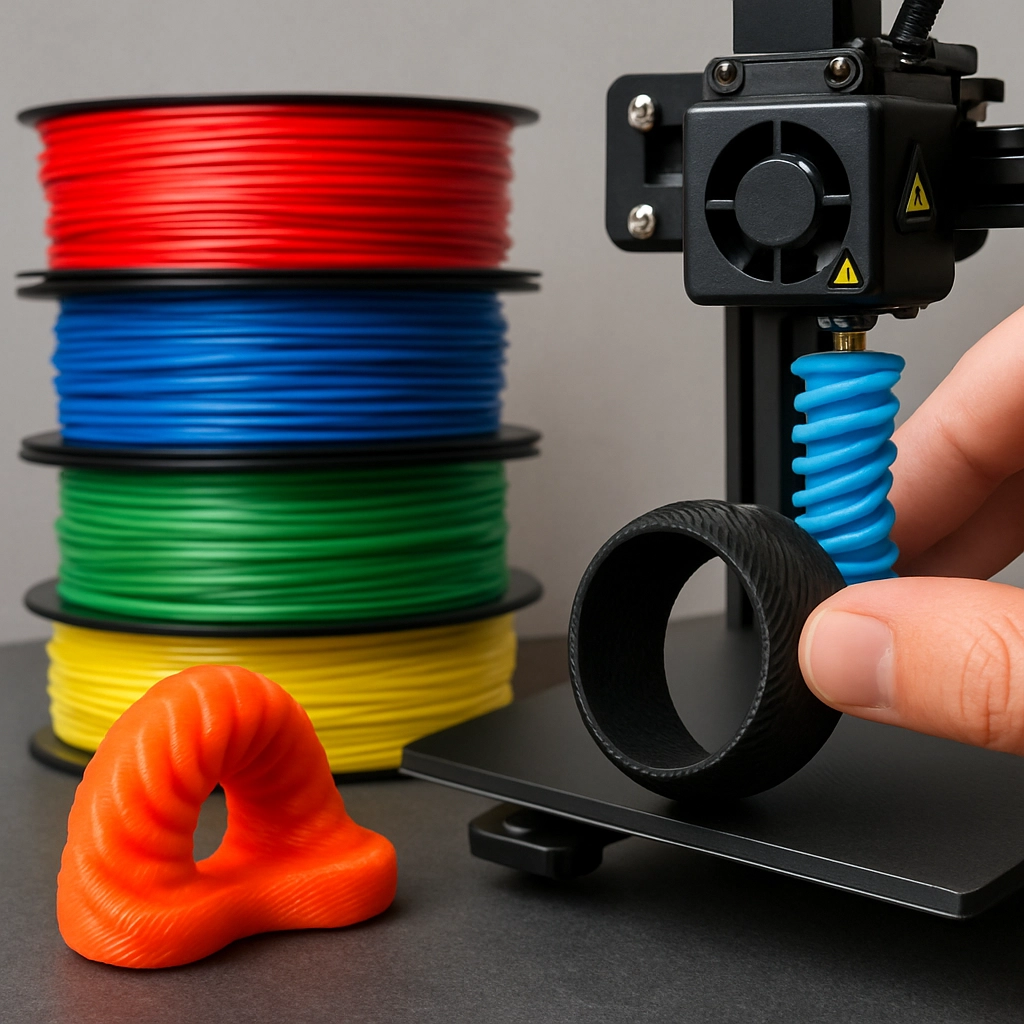

Exploring the World of Flexible Filaments in 3D Printing
Ah, the world of 3D printing! For those of us who have been enchanted by its endless possibilities, it’s like stepping into a futuristic playground where our ideas come to life, layer by layer. One of the most exciting aspects of this tech marvel is flexible filaments, which open up new dimensions for creativity and functionality. So, let’s lace up our sneakers and take a stroll through this fascinating world.
What Are Flexible Filaments?
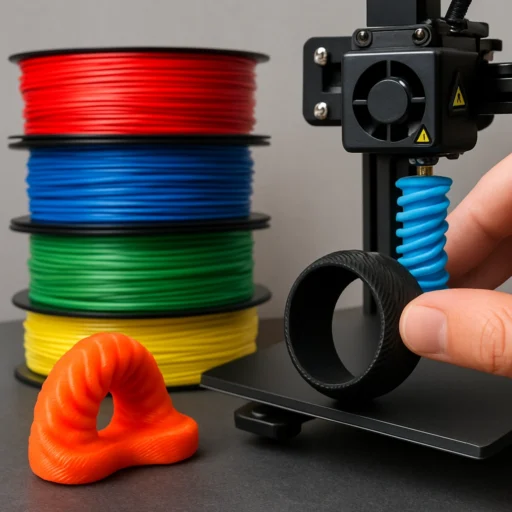
First off, let’s define what we mean by flexible filaments. Simply put, these are specialty materials designed for 3D printing that can bend, stretch, and compress without breaking. Some of the most popular types include Thermoplastic Elastomers (TPE) and Thermoplastic Polyurethane (TPU). Unlike the hard plastics we often associate with 3D printing, these materials allow for the creation of products that can mimic rubber.
Flexible filaments typically come in a range of Shore hardness values, which measure the hardness of the material. The lower the Shore value, the softer and more pliable the filament. If you want something soft and stretchy, you might opt for a filament with a 90A Shore hardness, while a 95A might give you a bit more structure while still retaining some flexibility.
Advantages of Using Flexible Filaments
Using flexible filaments can significantly broaden the scope of what you can create. Here are a few reasons why artists, hobbyists, and professionals alike are flocking to these materials:
-
Versatility: You can make everything from phone cases to wearable tech, medical devices, or even toys. The flexibility allows for designs that are not only functional but also innovative.
-
Durability: Flexible prints often come with enhanced durability. They can absorb impacts and resist wear and tear better than rigid filaments. This makes them ideal for items that are subject to stress and strain.
-
Comfort: If you’re designing something that will be worn — like a strap, shoe, or any wearable accessory — flexible filaments provide a much more comfortable experience compared to hard plastics.
-
Creative Freedom: These materials allow designers to think outside the box. The ability to create softer, more adaptable designs opens up an exciting world where functionality meets artistry.
Challenges of Working with Flexible Filaments
Of course, it’s not all smooth sailing. Printing with flexible filaments does come with its own set of challenges. Being a little more notorious for printer compatibility, flexible filaments often require a bit of finesse to get right.
-
Printer Settings: You’ll often need to adjust your printer settings to accommodate flexible filaments. This might include tweaking the printing speed, nozzle temperature, and even layer heights.
-
Extruder Design: Some printers may struggle with these materials, especially certain types of extruders. If your printer has a Bowden-style extruder, you might find that flexible filaments tend to buckle leading to clogs and jams. Direct drive extruders might be a better choice for flexibility.
-
Stringing: One common issue you may face with flexible filaments is stringing—those pesky strands that appear between different parts of a print. Adjusting retraction settings can help mitigate this issue.
-
Printing Time: Because of the meticulous nature of printing with flexible materials, the process can take longer than with standard filaments. Patience really is a virtue here!
Tips for Successful Prints
So, you’re ready to dive into the world of flexible filaments but want to ensure your prints turn out beautifully? Here are some helpful tips:
- Slow It Down: Try reducing your print speed to allow better control over the filament.
- Temperature Tune-Up: Experiment with different nozzle temperatures; some filaments perform best at specific temps.
- Retraction Settings: Don’t shy away from adjusting your retraction settings to minimize stringing.
- First Layer Matters: Pay special attention to your first layer settings; a solid first layer can make a world of difference in the overall success of your print.
With a bit of practice and adjustment, you’ll be amazed at what you can create using flexible filaments. Who knows, the next time you reach for your phone or slip on your favorite shoes, it could very well be a product of your newfound 3D printing skills.
Exploring the endless possibilities of flexible filaments is like stepping into a vibrant world of creativity where functionality meets innovation. Whether you’re a seasoned pro or just starting out, there’s always room for exploration and experimentation. So go on, unleash your imagination, and let those flexible designs take shape! Happy printing!