
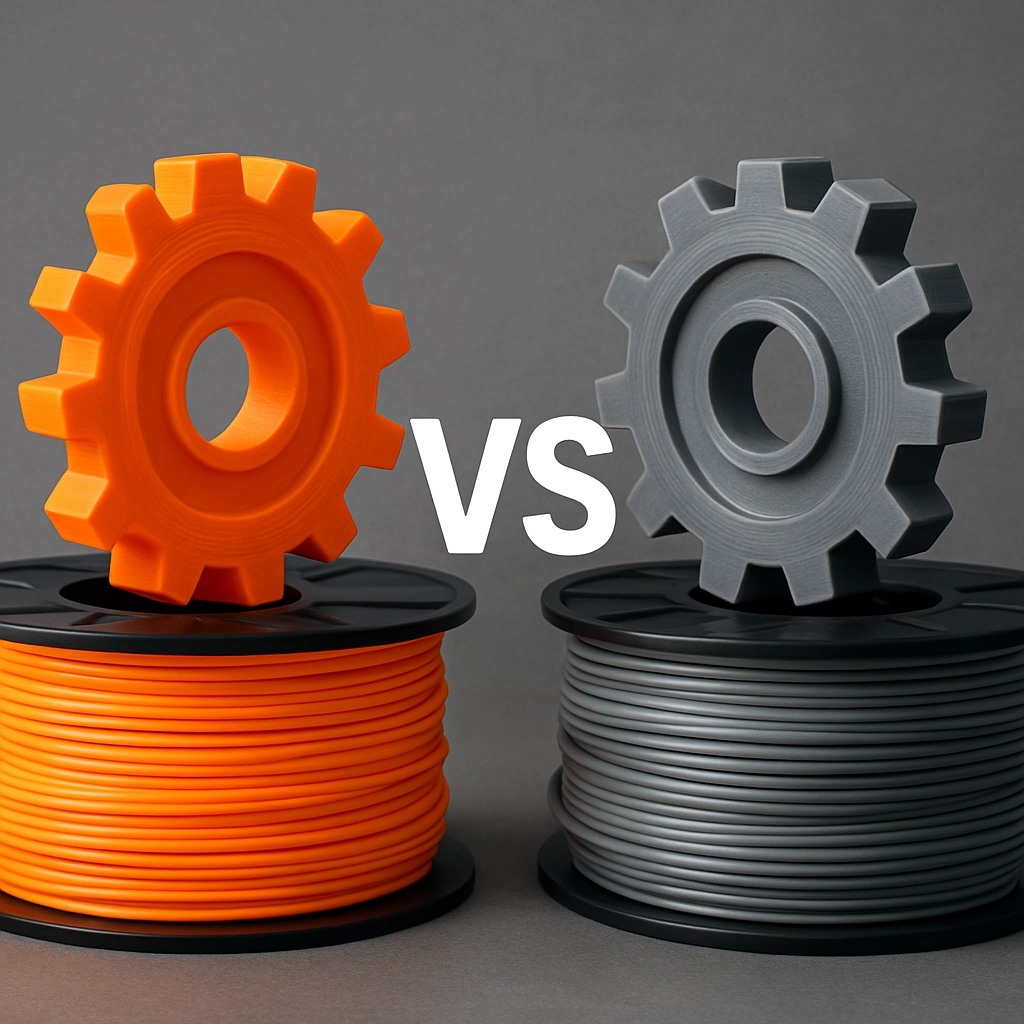

When it comes to 3D printing, selecting the right filament can make all the difference between a finished product that impresses and one that leaves you scratching your head. Among the many types of filament available, PLA (Polylactic Acid) and ABS (Acrylonitrile Butadiene Styrene) are two of the most popular choices. Each has its unique characteristics, benefits, and drawbacks. So how do you decide which one is right for your next project? Let’s dive in!
Understanding PLA and ABS
First things first, let’s talk about the basics. PLA is a bio-based thermoplastic made from renewable resources such as cornstarch or sugarcane. This makes it not only eco-friendly but also easier to print. Its low melting temperature, typically around 180-220°C, means that even beginners can get great results without needing a lot of fancy equipment.
On the other hand, ABS is a petroleum-based plastic known for its durability and strength. It’s the same material used in LEGO bricks and various household items. With a higher melting temperature of about 220-260°C, it requires a bit more finesse to work with, but the payoff can be worth it for more robust applications.
Print Quality and Details
If you’re working on a project that requires fine details and smooth surfaces—think intricate designs or visually striking prototypes—PLA often has the upper hand. It’s known for producing vibrant colors and excellent layer adhesion, making it a favorite for detailed prints and artistic pieces. Plus, because it doesn’t warp as easily, you can create tall structures or delicate designs with confidence.
However, if durability and strength are your main concerns, ABS might be the way to go. ABS prints can withstand higher temperatures and are resistant to impact, making them ideal for functional parts or items that will be put to the test, like mechanical components and tools. While it may require a higher temperature to print, the result is often a piece that lasts.
Flexibility and Post-Processing
Both PLA and ABS offer a range of post-processing options, but they’re not quite the same. PLA is easier to sand and paint compared to ABS, which sometimes requires more intensive methods to achieve a polished finish. That said, ABS can be smoothed using acetone vapor, giving you a neat, professional look—if you’re willing to brave the fumes!
When it comes to flexibility, neither filament is particularly malleable. However, ABS tends to have a bit more give and can handle stress better, which is beneficial for parts that need to endure some bending or impact. If your project requires that extra bit of elasticity without compromising stability, reconsidering ABS could fit the bill.
Environmental Considerations
As we grow more conscious of our environmental footprint, it’s essential to think about the materials we use. PLA, being biodegradable and made from renewable resources, shines in this aspect. It breaks down under the right conditions, which can be a significant plus if you’re mindful of sustainability.
However, while ABS is not biodegradable, it is recyclable. Some companies are working towards creating a more eco-friendly version of ABS, but traditional ABS still poses concerns when it comes to fumes during printing. It’s recommended to use ABS in a well-ventilated area or with an enclosure to minimize exposure to harmful fumes.
Cost and Availability
When it comes to price, both PLA and ABS are relatively affordable, though PLA usually comes in slightly cheaper. Your choice might come down to availability; some online distributors or local stores might stock one more prominently than the other. Keep in mind that specialty colors or blends can vary in price, so check your options before committing to a choice.
The Bottom Line
In the end, the decision between PLA and ABS largely depends on your specific project needs. If you’re a beginner, looking for vibrant aesthetics, or prioritizing ease of use and eco-friendliness, PLA is likely the way to go. However, if you need durable, heat-resistant parts that can withstand wear and tear, ABS becomes the more advantageous option.
Consider both your project requirements and your personal preferences before making a choice. And whether you end up picking PLA or ABS, the most important thing is to enjoy the creative process and bring your ideas to life! Happy printing!