
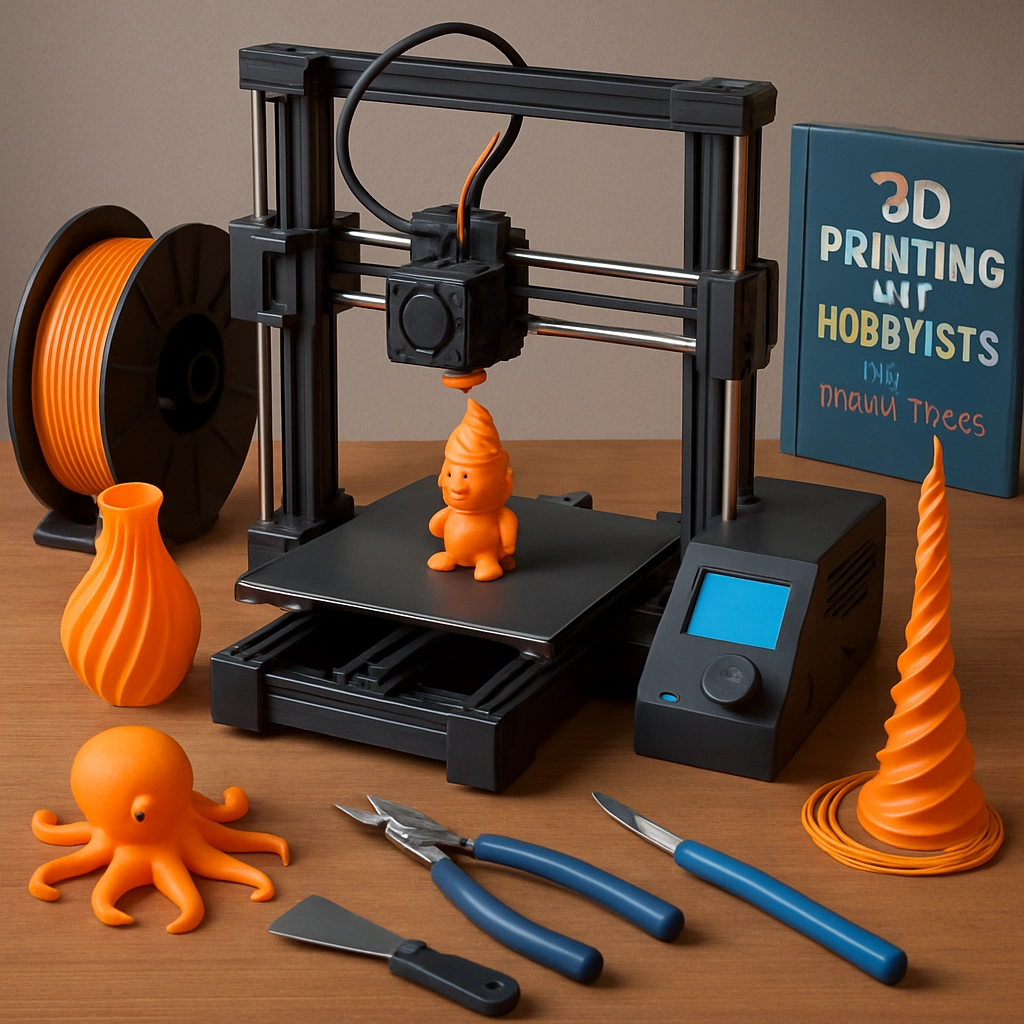

3D Printing for Hobbyists: Tips and Tricks
Hey there, fellow makers and do-it-yourselfers! If you’re diving into the exciting world of 3D printing, you’re in for a fantastic journey. Whether you’re printing miniatures, tools, or unique household items, it’s a hobby that beautifully merges creativity with technology. However, as exhilarating as it is, it can also feel overwhelming at times. Don’t worry; I’ve got your back! Let’s explore some tips and tricks to help you get the most out of your 3D printing experience.
Understand Your Printer
Every 3D printer is a bit different, and that’s part of the fun! Before you set off printing your first masterpiece, take some time to familiarize yourself with your specific machine. Dive into the manual, watch instructional videos—and if you can, join online communities related to your printer model. Understanding your printer’s capabilities and limitations is crucial. This knowledge can save you a ton of time and frustration later.
Perfect Your Settings
When it comes to 3D printing, precision is key. You’ll want to experiment with various print settings to find what works best for you. Here are a few parameters to play with:
-
Layer Height: Consider what you’re printing. Thicker layers (like 0.2mm) can speed up the process but may lack detail. Thinner layers (like 0.1mm) offer stunning detail but take longer.
-
Print Speed: Fast isn’t always better. If you’re encountering issues like stringing or defects, try slowing down the print speed. It might take longer, but the results will often pay off.
-
Infill Density: You don’t always need your prints to be solid. A lower infill percentage can save on material and time, especially for non-structural parts.
Material Matters
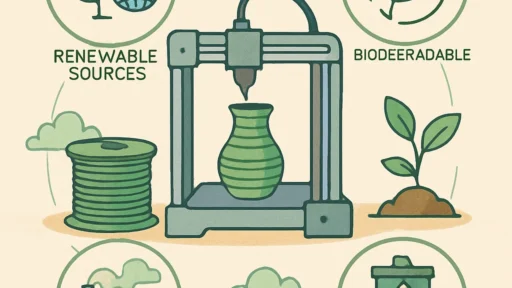
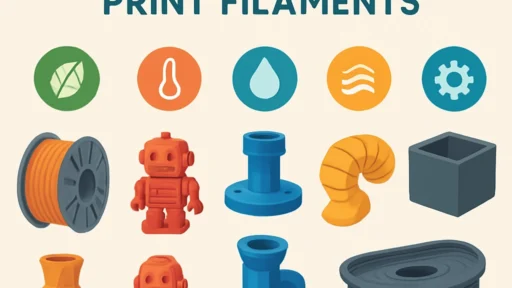
Choosing the right material for your project can make all the difference. PLA is often recommended for beginners because it’s user-friendly and environmentally friendly. If you want to venture into tougher materials, like ABS or PETG, make sure you understand their printing specifics.
Also, don’t overlook the importance of proper storage for your filaments. Moisture can wreak havoc on your materials, leading to unwanted printing issues. Store them in airtight containers or vacuum-sealed bags to keep them in prime condition.
Calibration is Crucial
Nothing is more frustrating than starting a print only to realize your bed isn’t level or your extruder isn’t calibrated. Take the time to calibrate your printer regularly. Making sure your build plate is level will prevent common issues like warping or poor adhesion. Many printers come with calibration tools built-in, or you can find models online that help you get the perfect settings.
Embrace the Community
The 3D printing community is vast and filled with passionate individuals eager to share their knowledge. From forums to social media groups, there’s no shortage of platforms where you can ask questions, share your creations, or troubleshoot problems. Don’t hesitate to reach out; you’ll find that others are just as excited to help you along your journey.
Experiment and Fail
Here’s a little secret: failure is part of the creative process! Don’t be disheartened if your first few prints don’t turn out the way you imagined. Think of it as a learning experience. Experiment with different techniques, designs, and settings. The more you play around, the richer your understanding of the technology will be.
Keep It Clean and Maintained
A clean printer is a happy printer. Regular maintenance is vital for ensuring that your device runs smoothly. Clean the print bed, check for filament clogs in the nozzle, and dust off any moving parts. A little TLC goes a long way in improving performance and longevity.
Explore Software Options
While slicing software is the bread and butter of the printing process, don’t overlook design software! There are numerous user-friendly options like Tinkercad or Blender for crafting your models. The more you play around with design options, the more personalized and unique your prints can be.
Join Workshops and Events
If there are local makerspaces or workshops in your area, consider joining in! These can be a fantastic way to not only learn more about 3D printing but also connect with other hobbyists. You might even find collaborators for future projects or somebody to bounce ideas off of!
Embarking on a 3D printing hobby is like opening a box of crafting surprises; each print tells a different story. With practice, experimentation, and a bit of patience, you’ll find that creating and innovating becomes an incredibly rewarding process. Keep your chin up, share your triumphs (and failures), and most importantly, have fun with it! Happy printing!