
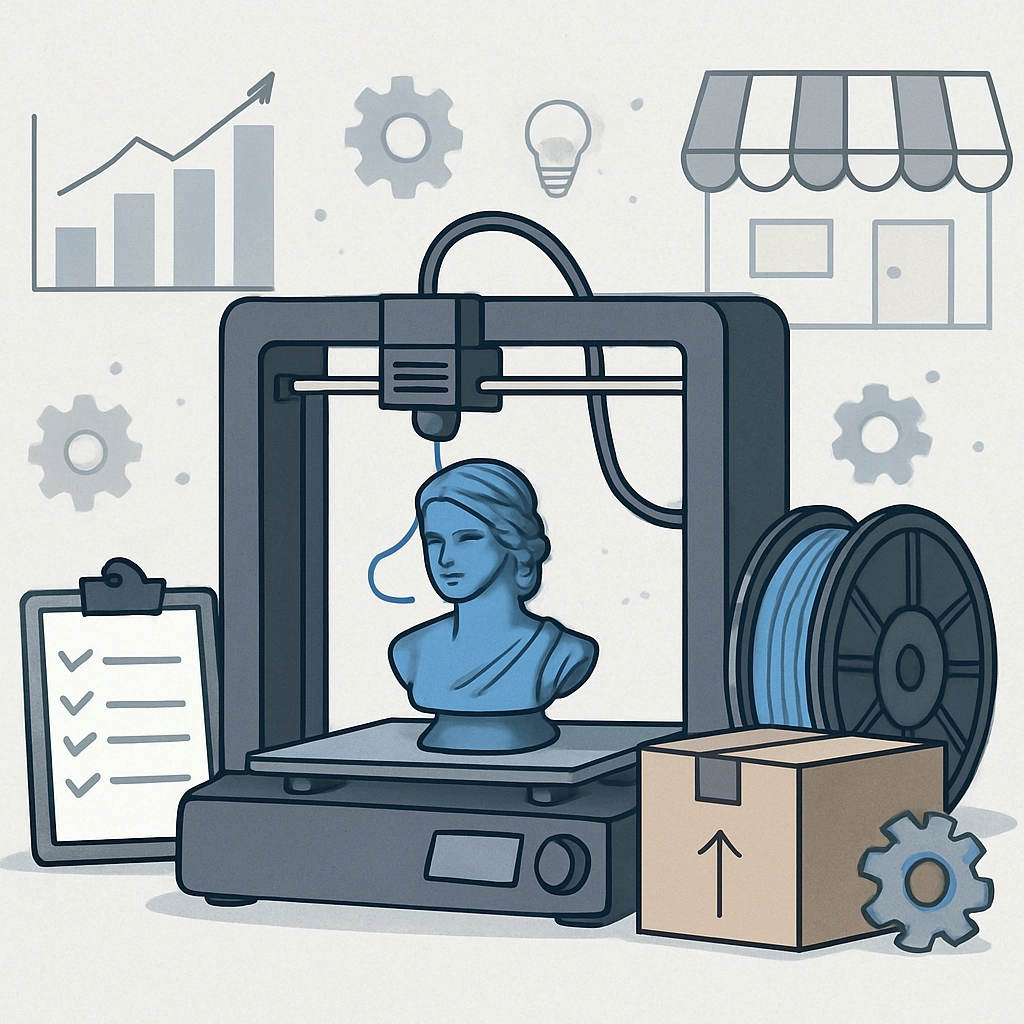

Integrating 3D Printing into Your Small Business
The world of small business is anything but stagnant. Whether you’re selling handcrafted jewelry, running a local bakery, or operating a tech startup, innovation is the key to staying relevant and competitive. One of the most exciting advancements in recent years has been the rise of 3D printing technology. If you’ve been considering ways to integrate 3D printing into your business, you’re in for a treat! Let’s delve into how you can leverage this technology to enhance your product offerings, streamline operations, and ultimately wow your customers.
Why Consider 3D Printing?
Before we jump into the how-to, let’s look at why 3D printing is worth considering. First off, it offers immense flexibility in design. Small businesses often benefit from the ability to quickly prototype new ideas without a long wait or hefty costs. This rapid prototyping lets you test concepts and gather feedback before diving into full-scale production.
Additionally, 3D printing can significantly reduce inventory costs. Instead of holding large amounts of stock, businesses can produce items on demand, saving space in your store or workshop, as well as reducing waste from unsold products.
Finding the Right Printer
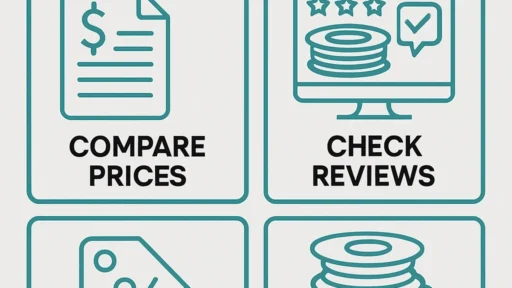
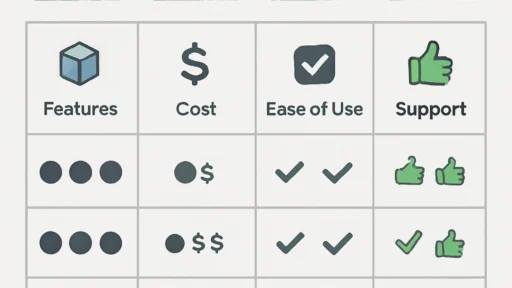
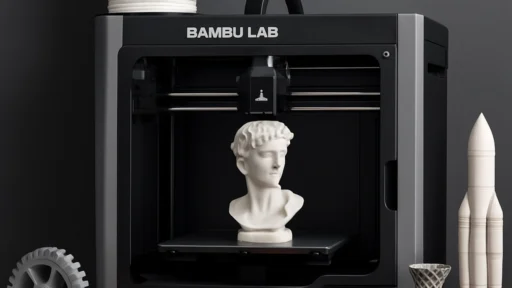
The first step in integrating 3D printing is selecting the right printer. With models ranging from a few hundred to several thousand dollars, it’s important to evaluate what suits your business goals. Here are a few considerations:
-
Budget: Determine how much you’re willing to invest upfront. If you’re just starting out, there are entry-level printers that offer decent quality without breaking the bank.
-
Material Options: Different printers handle various materials, such as ABS, PLA, or even flexible materials. Think about the types of products you want to create.
-
Print Size: Consider the dimensions of the items you’ll be printing. Make sure your printer can accommodate your largest designs.
-
Ease of Use: Some printers require a steep learning curve, while others are fairly user-friendly. Look for models that have a strong community or good customer support.
Designing Your Products
Once you’ve set up your 3D printer, it’s time to get creative with designs. Software like Tinkercad and Fusion 360 can help you create 3D models, allowing you to bring your ideas to life. If you’re not a designer, there are plenty of online resources and marketplaces where you can purchase ready-made designs. Just ensure you have the appropriate licenses, especially if you plan to sell the printed items.
For small businesses, think about how 3D printing can help improve your existing product line or even create entirely new offerings. If you own a café, for example, you might print custom cookie cutters or specialty cake toppers that align with seasonal events. If you’re into fashion, consider creating unique jewelry pieces that can’t be found anywhere else.
Streamlining Operations
Another exciting aspect of 3D printing is its potential to streamline operations. It can significantly reduce the time from concept to market. Depending on your production needs, you might even consider 3D printing certain parts of your products rather than sourcing them from suppliers. Not only can this save you time, but it can also reduce shipping costs and lead times.
Plus, consider using 3D printing for creating tools or fixtures unique to your process. Need a custom clamp for woodworking? Create an efficient piece that fits your specifications perfectly.
Marketing Your 3D-Printed Products
Once you’ve got your products ready, it’s time to show them off! Highlight the fact that these items are made using 3D printing. It’s a unique selling point that can attract tech-savvy customers or those interested in local, handmade goods. Use social media platforms to share behind-the-scenes shots of the printing process to engage your audience. After all, people love a good story — and showcasing your creativity can foster a community around your brand.
You might even consider offering workshops or experiences for customers to see 3D printing in action and, perhaps, create their own pieces. This can help further differentiate your business and provide additional avenues for revenue.
The Future is Bright
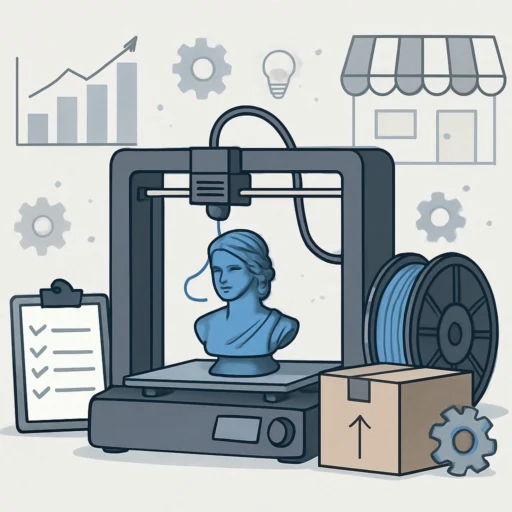
Integrating 3D printing into your small business can feel like stepping into uncharted waters, but the rewards can be significant. From rapid prototyping to unique product offerings, the possibilities are nearly limitless. Embrace this innovative technology to not only enhance your business’s efficiency but also truly connect with your customers through one-of-a-kind products.
The journey won’t always be easy, but as you explore the vast potential of 3D printing, you’ll find it’s not just a tool — it’s a gateway to new opportunities for creativity and growth in your small business. So go ahead, dive in and let your imagination run wild!