

3D Printing Advanced Techniques: Beyond the Basics
If you’ve already dipped your toes into the exciting world of 3D printing, you’re probably familiar with the basics: slicing models, choosing your filament, and perhaps even crafting a simple object or two. But the beauty of 3D printing lies in its endless possibilities. As technology evolves, so too do the techniques that elevate it from basic to brilliant. If you’re ready to take your skills to the next level, let’s explore some advanced techniques that push the limits of what you can create with a 3D printer.
1. Multi-Material Printing
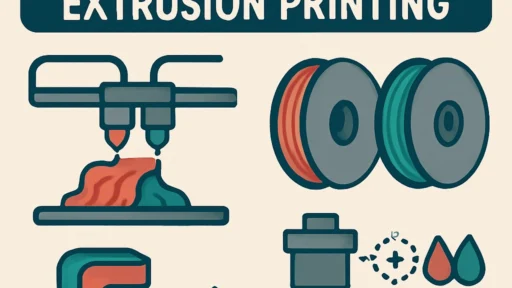
Once you’ve mastered single-material prints, why not dive into multi-material printing? This technique allows you to blend different materials or colors in a single print. Think about the potential here: imagine a toy with different textures or a complex mechanical part that combines flexibility and rigidity. Many printers are now equipped with dual extrusion capabilities, meaning you can use two filaments at once. For example, a soft elastomer combined with a rigid plastic can lead to innovative products that were previously impossible to make in one go.
2. Support Structures and Advanced Slicing Techniques
Navigating support structures can be the bane of any 3D printing enthusiast. While basic slicing software typically generates straightforward support, advanced slicing tools allow you to fine-tune these structures. Software like PrusaSlicer or Cura offers options for customizable support types or even tree-like structures that minimize material use and post-processing work. Experimenting with different settings can help remove unsightly marks on your final product and lead to cleaner, more professional-looking prints.
3. Parametric Design
If you’re familiar with CAD software, parametric design can level up your modeling game. This technique focuses on creating models that can adapt based on certain parameters. By defining variable metrics—like width, height, and even features based on conditions—you can create dynamic designs that update automatically when you change the parameters. Software like Fusion 360 or OpenSCAD can help streamline this process, letting you experiment and tweak your designs without starting from scratch each time.
4. Mesh Repair and Optimization
When you’re crafting complex models, it’s not uncommon to run into mesh issues. These might be holes, non-manifold edges, or unnecessary complexity that can lead to failed prints. Advanced tools like Meshmixer or Microsoft 3D Builder provide options to repair and optimize your meshes. Understanding how to use these tools not only saves material and time but also results in higher quality prints. Plus, repairing your models can lead to some cool experimental designs—you can twist, stretch, and manipulate existing shapes to create something entirely unique.
5. Post-Processing Techniques
Once you’ve printed something impressive, post-processing is where the real magic happens. While beginners often settle for a simple sand and spray, advanced techniques can involve a whole toolkit. Consider acetone vapor smoothing for ABS prints to get that glossy finish, or resin soaking for SLA prints to enhance aesthetics. Painting with airbrushes or using hydro dipping can turn your simple toy into a stunning work of art. It’s these finishing touches that move your creations from impressive to absolutely jaw-dropping.
6. Experimenting with New Materials
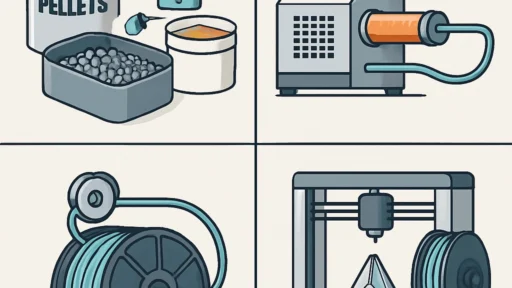
Beyond the traditional PLA and ABS, the world of 3D printing materials is vast and varied. From flexible TPU to sturdy nylon, and even biodegradable filament like PETG, the options are worth exploring. Advanced users can even experiment with composites, which mix materials to achieve unique properties—think carbon-fiber-infused nylon for strength without added weight. If you’re feeling particularly adventurous, check out some unique filaments like wood or metal-filled brims, which can create distinctive textures and appearances in your prints.
7. Incorporating Electronics and Robotics
For those interested in combining 3D printing with technology, integrating electronics into your designs opens a whole new set of possibilities. Imagine 3D-printed housings for custom electronics, or even robotics! With a few sensors, motors, and your printer, you could design your very own gadgets. Open-source platforms like Arduino offer a fun route to experiment with, letting you add interactive elements to your printed objects.
As you venture into these advanced techniques, keep your creativity flowing. 3D printing is not just about functionality; it’s about exploring what’s possible and letting your imaginations run wild. The more you push the boundaries of what you can do, the more you’ll discover just how fulfilling this hobby can be. Every print is a new opportunity to learn and grow, so don’t shy away from experimentation. You never know what incredible creations may come from stepping beyond the basics!