


Making the Most of Your 3D Printing Experience: Hacks and Tips
3D printing is one of those wonderful technologies that brings a whole new world of creativity right to our fingertips. Whether you’re a DIY enthusiast, an artist, or someone just exploring this realm, maximizing your 3D printing experience can be both rewarding and a little bit challenging. Today, I’m sharing some hands-on hacks and tips to enhance your journey in the 3D printing universe!
Choose the Right Printer for Your Needs
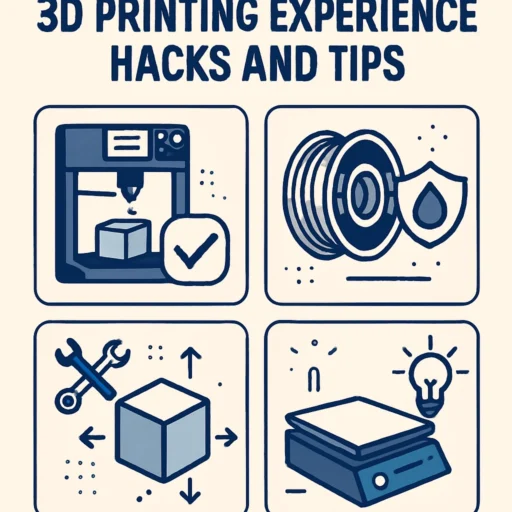
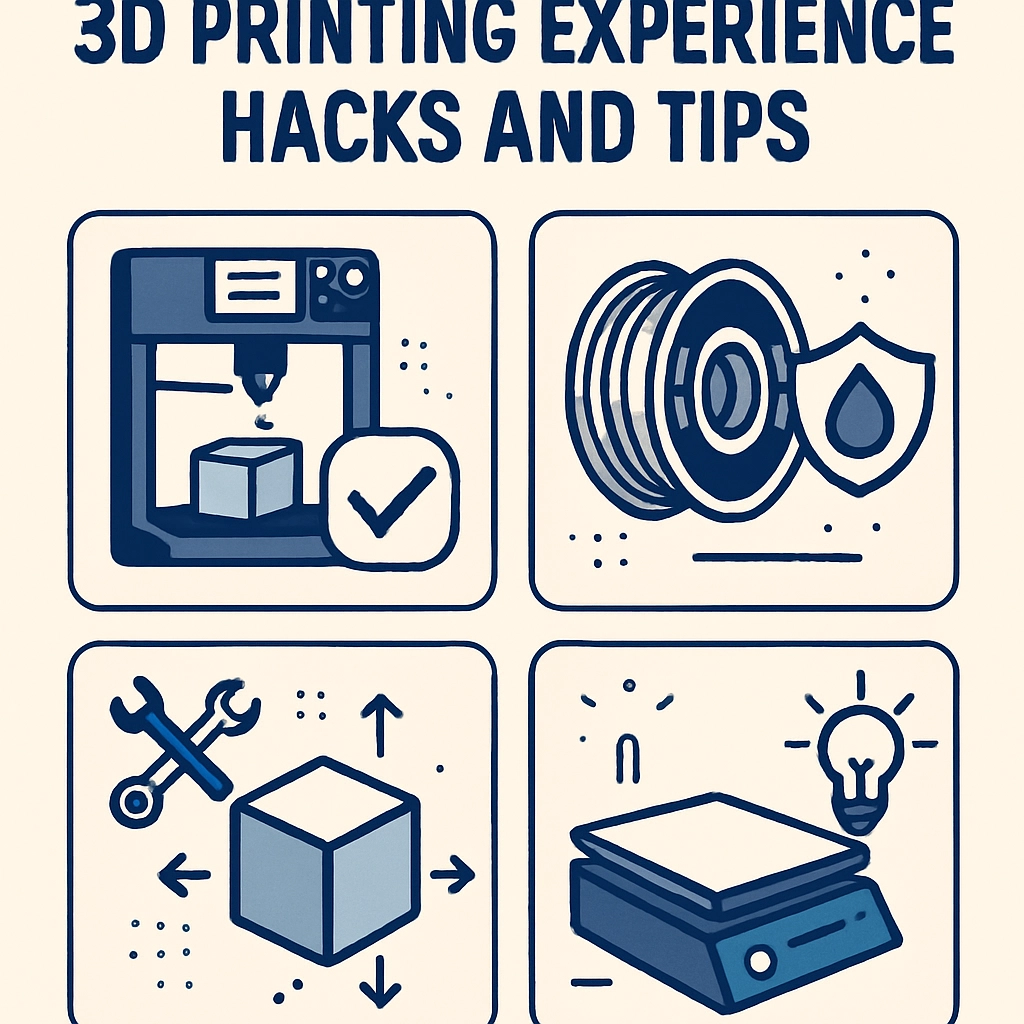
Before diving into the intricacies of filament types or layer heights, make sure you have the right printer for your projects. There are a plethora of 3D printers available, ranging from budget-friendly options to high-end machines. If you’re just starting, a more affordable FDM (Fused Deposition Modeling) printer can be a fantastic choice. They’re generally user-friendly, and you can find plenty of community support. As you gain experience, you may want to explore resin printers for greater detail or SLA (Stereolithography) printers for specific applications.
Master Your Slicing Software
The slicing software you use can significantly impact your 3D printing projects. Take the time to get to know your software’s settings and options. While it might seem confusing at first, playing with settings like infill density, layer height, and print speed can dramatically alter your print quality. Experimentation is key—don’t be afraid to run test prints with different settings. Over time, you’ll develop a better understanding of how each adjustment affects your prints.
##Optimal Filament Choices
Filament selection can be daunting, given the variety available on the market—from PLA to PETG and ABS. To start, PLA is an excellent choice for beginners since it’s easy to work with and environmentally friendly. However, if you need prints that are more durable or heat-resistant, consider switching to PETG or ABS. Make sure to store your filaments properly to avoid moisture absorption, as this can lead to poor print quality. Vacuum storage bags or a dedicated filament dryer can work wonders.
Calibrate, Calibrate, Calibrate
Calibrating your printer is one of the most crucial steps you can take to ensure great print quality. From bed leveling to extruder calibration, putting in the time and effort to get things right upfront will save you many headaches later on. Regular calibration should become a part of your routine—especially if you notice inconsistencies in your prints. Make it a habit to check settings and calibrate periodically, especially after transporting your printer or changing filaments.
Build a Library of Test Prints
One of the best ways to improve your skills is to regularly test different settings with smaller test prints. Consider creating a library of test models that challenge different aspects of your printer—overhangs, bridges, and fine details. Not only will you learn how to fine-tune your printer, but you’ll also build a handy reference of successful settings for different types of prints.
Keep Your Workspace Organized
Nothing is more frustrating than searching for tools or materials mid-print. Keep your workspace tidy and organized by designating specific areas for tools, filaments, and completed prints. A clear workspace can enhance your creativity and streamline the entire printing process. Plus, you’ll feel so much more accomplished when everything is in its rightful place!
Join the 3D Printing Community
Navigating the world of 3D printing feels like a lot when you’re first starting out. Fortunately, there’s a vibrant community of makers and enthusiasts out there eager to share their knowledge. Consider joining forums or social media groups focused on 3D printing to exchange tips, troubleshoot problems, and showcase your work. Not only can it provide motivation and inspiration, but it can also be a great way to make friends with similar interests!
Experiment and Have Fun
Lastly, remember that 3D printing is all about fun and creativity! Don’t be afraid to try new things or make mistakes. Some of the best projects come from experimentation. If a print doesn’t turn out as expected, analyze what went wrong and learn from it. This mindset will not only improve your skills but also provide a sense of accomplishment with each successful print.
By taking advantage of these hacks and tips, you’ll not only make your 3D printing experience smoother but also enhance your creativity and enjoyment. The possibilities are nearly endless, and every print is an opportunity to learn something new. So grab that filament, fire up your printer, and let your imagination run wild!


