
Exploring the Potential of 3D Printing in Healthcare
In the world of healthcare, innovation is an ongoing journey. One of the most exciting advancements making waves today is 3D printing. Often referred to as additive manufacturing, this technology has opened up new avenues for designing and creating customized solutions for a variety of medical needs, from prosthetics to organ models and even bioprinting. So, let’s dive into the world of 3D printing and explore how it’s transforming healthcare in remarkable ways.
A Patient-Centric Approach
One of the standout features of 3D printing is its ability to create personalized medical devices. Imagine walking into a clinic and finding that your prosthetic limb has been tailor-made to fit you perfectly—not just in terms of measurements but also in terms of aesthetics and functionality. This is becoming a reality thanks to 3D printing. By using scans of a patient’s body, healthcare providers can design devices that fit them specifically, improving comfort and mobility.
This patient-centric approach doesn’t stop with prosthetics. Custom dental implants and hearing aids are also being developed with the same technology. By creating precise molds and models based on individual patient data, the fit can be improved significantly, leading to better health outcomes and overall satisfaction.
Rapid Prototyping in Surgery
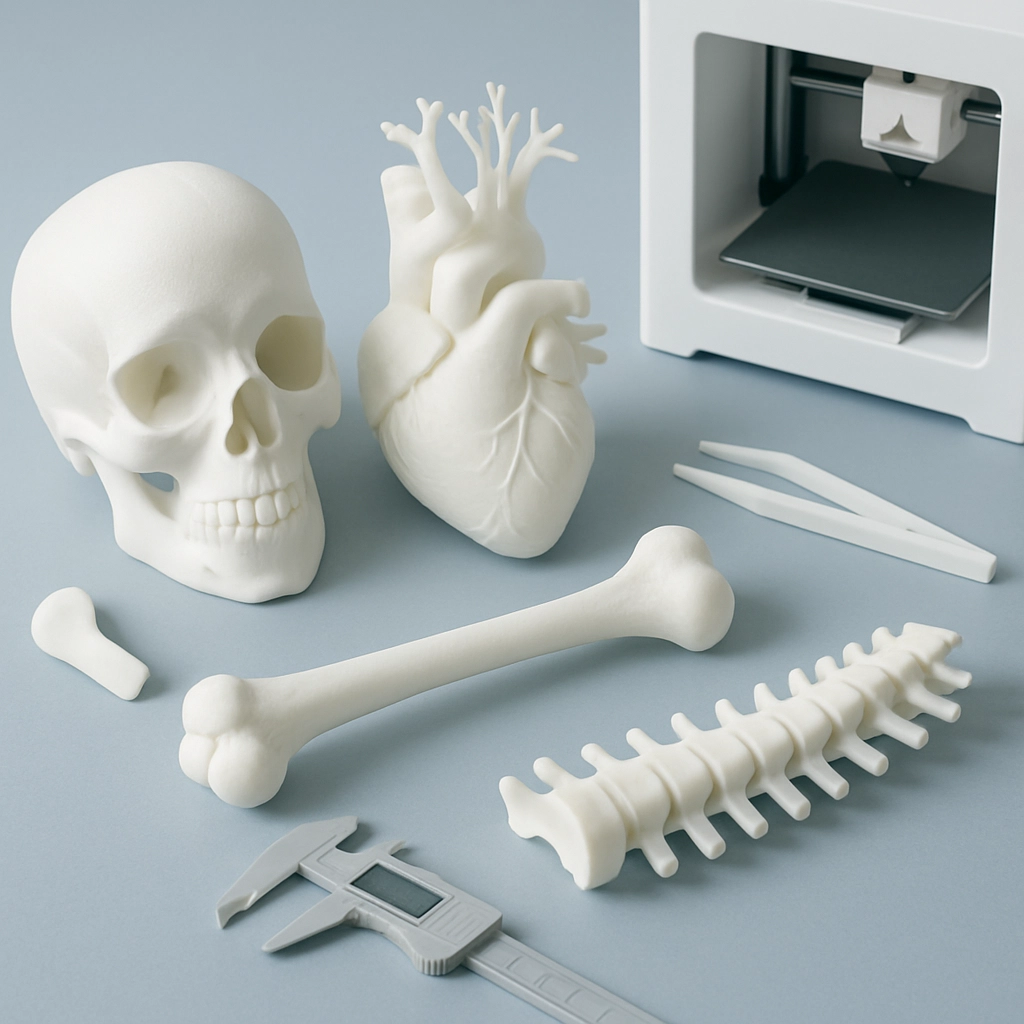
Surgeons are now using 3D printing to create models of a patient’s anatomy before performing complex procedures. For instance, if a patient has a unique heart defect, surgeons can create a 3D-printed model of the heart, allowing them to visualize the problem from every angle. This preparation means less time in the operating room and potentially better surgical outcomes. It’s all about practicing precision and preparedness.
Moreover, this technology can be especially impactful in emergencies or when a specialist is not readily available. Having a tangible model to consult can make all the difference when time is of the essence.
Bioprinting: A Leap into the Future
Now, let’s turn our gaze to a particularly groundbreaking area: bioprinting. This involves printing human tissues and potentially organs using bio-inks made from living cells. The concept of being able to print a functional organ sounds like science fiction, but research is moving rapidly in this direction. Imagine a world where waiting lists for organ transplants no longer exist, or where patients receive custom organs that eliminate the risk of rejection.
Though we’re still a ways off from full-on organ printing, advancements are being made every day. Tissue patches for repairing damaged organs, for example, are already being explored. These patches can be printed using a patient’s own cells, promoting faster healing and reducing the likelihood of complications.
Cost-Effective Solutions
One of the less glamorous but equally important benefits of 3D printing in healthcare is cost efficiency. Traditional manufacturing of medical devices can be expensive and time-consuming. With 3D printing, costs can be significantly reduced, as it allows for on-demand production and minimizes waste. Hospitals can save money by producing smaller custom devices in-house, rather than relying on external suppliers.
Additionally, this technology can help lower the costs associated with research and development. By prototyping devices in 3D, engineers can quickly iterate on designs, making improvements before mass production. This acceleration in development means that innovative solutions can reach patients faster.
Challenges to Overcome
Of course, it’s not all smooth sailing. There are challenges, such as regulatory hurdles and the need for standardized practices to ensure quality and safety. The materials used in 3D printing must be carefully selected to avoid bio-compatibility issues. But as the technology continues to evolve, so do the frameworks surrounding it.
Furthermore, educating healthcare professionals on the applications of 3D printing is crucial. As exciting as this technology is, it requires a mindset shift in traditional medical practices.
Looking Ahead
The potential of 3D printing in healthcare is immense. As technology continues to advance, we can expect to see even more innovative applications that revolutionize patient care. From personalized medical devices to organ printing and beyond, 3D printing stands at the forefront of a new era in medicine.
It’s a field that inspires hope and encourages creativity, reminding us that the intersection of technology and human health can lead to incredible advancements. As we embrace these innovations, we move closer to a future where personalized care, efficient treatments, and improved outcomes are the norm rather than the exception. This journey is just beginning, and we’re all in for a fascinating ride.