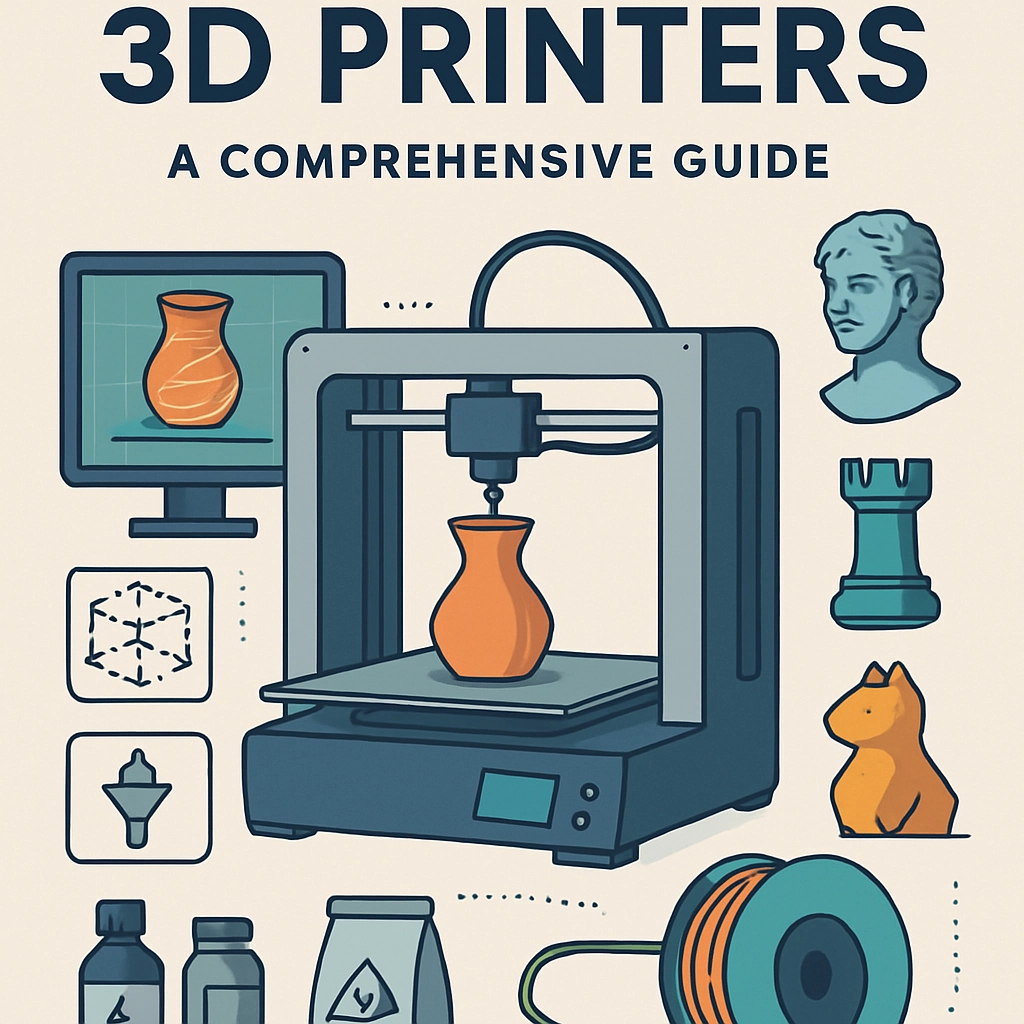

Understanding 3D Printers: A Comprehensive Guide
In recent years, 3D printing has morphed from a niche technology into an integral part of various industries, powering everything from rapid prototyping to bespoke medical devices. But with the plethora of information and types of printers out there, entering the world of 3D printing can feel a bit daunting. Fear not! In this guide, we’ll break down the essentials of 3D printers to help you understand what they are, how they work, and why you might want one for yourself.
What is 3D Printing?
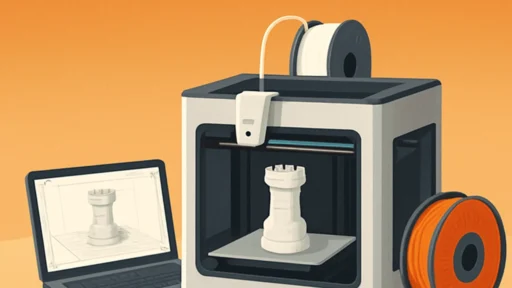
At its core, 3D printing (or additive manufacturing, if we want to sound fancy) involves creating three-dimensional objects from a digital file. Unlike traditional manufacturing methods that cut away material from a solid block (subtractive manufacturing), 3D printers add material layer by layer to build the final product. Imagine a sculptor carefully layering clay to form a beautiful statue; that’s the essence of additive manufacturing!
The Types of 3D Printers
There are several types of 3D printers, and each comes with its pros and cons. Here’s a quick rundown of the most popular technologies:
Fused Deposition Modeling (FDM)
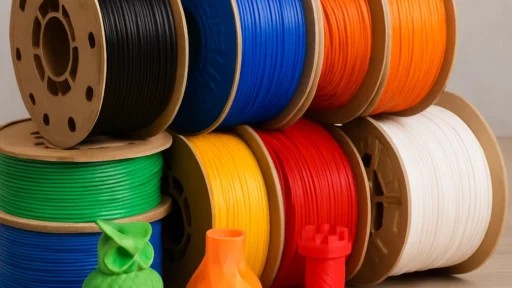
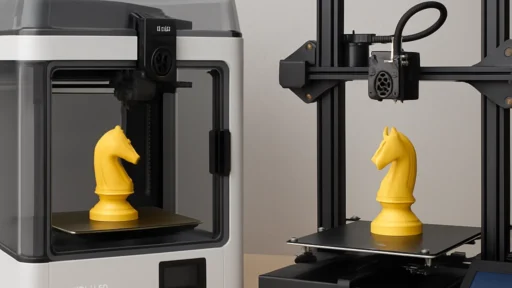
The most common type of 3D printing, FDM printers work by melting plastic filament and extruding it layer by layer to form an object. They are relatively affordable and user-friendly, making them ideal for beginners and hobbyists. You can create everything from trinkets to functional prototypes with different types of filaments, including ABS and PLA. However, the print quality may not be as high as other technologies, especially for intricate designs.
Stereolithography (SLA)
If you’re in search of ultra-high detail, look no further than SLA printers. They use a laser to cure liquid resin into solid objects, resulting in incredibly smooth finishes and intricate details. However, SLA printing can be more expensive and requires more post-processing, meaning you’ll need to clean the models after printing. Plus, resin is often more costly than filament.
Selective Laser Sintering (SLS)
Typically used in industrial applications, SLS printers work by using a laser to fuse small particles of plastic, metal, or ceramics into a solid structure. This method creates strong and durable parts, ideal for functional prototypes or complex geometries that would be hard to produce with FDM or SLA. SLS printers are generally more expensive and complex, but they promise robust results.
Choosing the Right Printer
When deciding on a 3D printer, consider your goals, budget, and the materials you wish to use. If you’re just starting and want something straightforward, an FDM printer might be your best bet. For artists and designers focused on details, an SLA model will provide the quality you desire. If your ambitions lean toward industrial production, investing in an SLS printer may be worthwhile.
It’s also essential to factor in the learning curve. Many entry-level printers come with guides and user communities, but getting accustomed to the software and workflow might still take some time. Don’t be discouraged! The 3D printing community is generally welcoming and filled with resources to help you along your journey.
Applications of 3D Printing
3D printing isn’t just about creating cool gadgets for your desk (although that’s a definite perk!). This technology has found applications in numerous fields:
- Medical: From custom prosthetics to bioprinting tissues, 3D printing can personalize healthcare solutions for patients.
- Aerospace: Engineers use 3D printing for rapid prototyping and producing lightweight components, which can significantly decrease costs and save time.
- Fashion: Designers are integrating 3D-printed pieces into their collections, stretching the limits of creativity in garments and accessories.
- Education: Schools and universities are tapping into 3D printing as a hands-on learning tool, inspiring creativity and engineering skills among students.
Final Thoughts
It’s clear that 3D printing is not just a flash-in-the-pan trend but a revolutionary technology reshaping how we create and manufacture products. Whether you’re a budding entrepreneur, an engineer, or simply a curious creator, understanding the basics of 3D printers is your gateway to transforming ideas into reality. With a range of printers to explore and endless possibilities to pursue, your potential is truly limited only by your imagination. Dive in, experiment, and who knows what you’ll create!