


Color and Material: Enhancing Your 3D Prints with Filaments
If you’ve dabbled in the world of 3D printing, you know that the magic begins long before the first layer of filament is laid down. The choice of color and material can significantly impact not just the aesthetic qualities of your final print, but also its functionality and performance. With an ever-expanding universe of filaments available today, let’s dive into how you can enhance your 3D prints through smart material choices and striking colors.
The Basics of Filaments
When you think of 3D printing, you probably think of filaments. These are the threads that melt and fuse together to create your objects. Most commonly, you’ll encounter PLA (Polylactic Acid), ABS (Acrylonitrile Butadiene Styrene), PETG (Polyethylene Terephthalate Glycol), and TPU (Thermoplastic Polyurethane). Each of these materials has its own set of properties, making them suitable for different applications.
- PLA is biodegradable and easy to print, making it ideal for beginners. It comes in a wide range of colors and finishes, from matte to glossy to even translucent.
- ABS is stronger and more heat-resistant than PLA, making it favorable for functional parts. However, it can be trickier to work with due to warping issues.
- PETG strikes a balance between strength and printability, and it’s often used for functional prints that need good chemical resistance.
- TPU offers great elasticity which is perfect for flexible prints like phone cases or wearable items.
The Role of Color
The color of your filament doesn’t just affect the appearance of your print; it can also influence the mood and function of the object. Bright colors can immediately draw attention, perfect for display pieces like models, while darker hues may lend themselves better to more serious, professional applications.
Considerations for Color Choices:
-
The Purpose of the Print: If you’re creating something functional—like a replacement part—neutral colors or the original color of the item can be best. For decorative items, let your imagination run wild. Vibrant colors can elevate an art piece, while pastel shades could give a softer, more inviting feel.
-
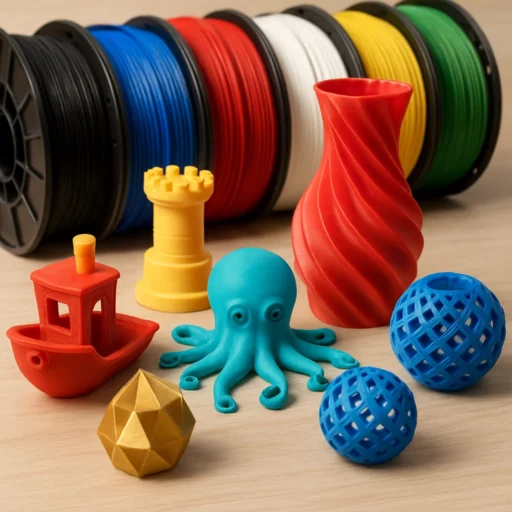
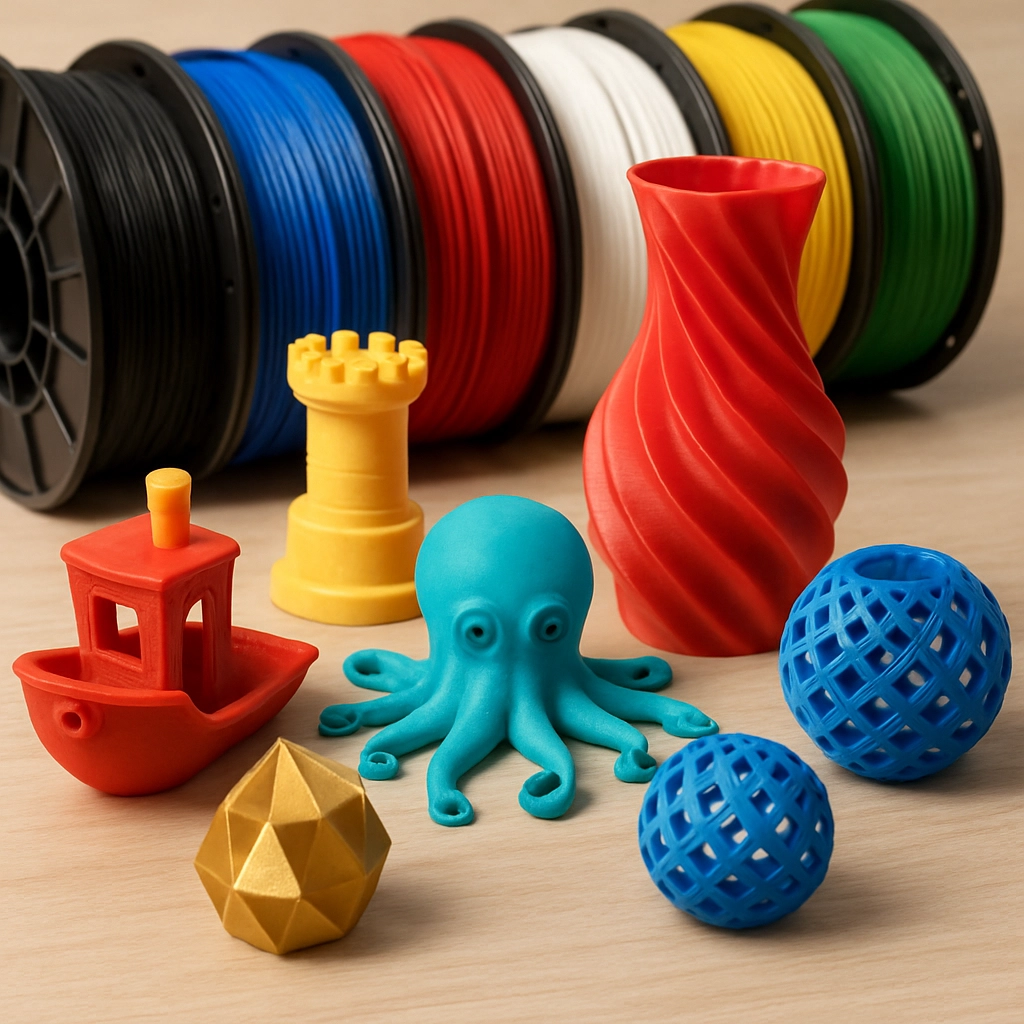
Color Combining: Many printers allow for multicolor printing using techniques like filament swapping or multi-extrusion. This can lead to exciting and unique designs, just imagine a beautifully marbled vase or a contrast-color figurine.
-
Finish and Texture: The finish of your filament also impacts how color appears. Some filaments have a metallic or glossy finish that can make colors pop, while others have a more rugged texture that offers a different visual experience.
Specialized Filaments and Their Unique Qualities
Beyond the standard offerings, there are also specialized filaments that can open up a whole new world of possibilities.
-
Wood Filament mixes wood particles with PLA, giving your prints an earthy look and even a wood-like texture. Print something resembling driftwood or create a stylish plant pot!
-
Metal Filament (like bronze or copper) can give your prints a heavy, luxurious feel. The best part? You can actually sand and polish these prints to get a shine similar to actual metal. Think about jewelry or artistic sculptures.
-
Glow-in-the-Dark and Color-Changing Filaments are especially fun for creative projects. Imagine a nightlight that changes color or a toy that glows in the dark—impressive and playful!
Experimenting and Learning
Don’t hesitate to experiment with different materials and colors! The joy of 3D printing lies in its experimentation. Try combining different filaments in a single print or mixing colors in a singular print job. Document your results; some combinations may confound expectations in delightful ways.
Moreover, keep your printer calibrated and your environment consistent for best results. Factors like temperature and humidity can dramatically affect how well your filament performs.
Final Thoughts
The journey of 3D printing is as much about creativity and expression as it is about technology. By understanding the nuances of color, material, and finishing options, you can enhance the aesthetic and functional qualities of your prints significantly. So, next time you fire up that 3D printer, take a moment to think beyond the basic settings—choose a filament that resonates with your vision and let your creativity flow. Happy printing!


