
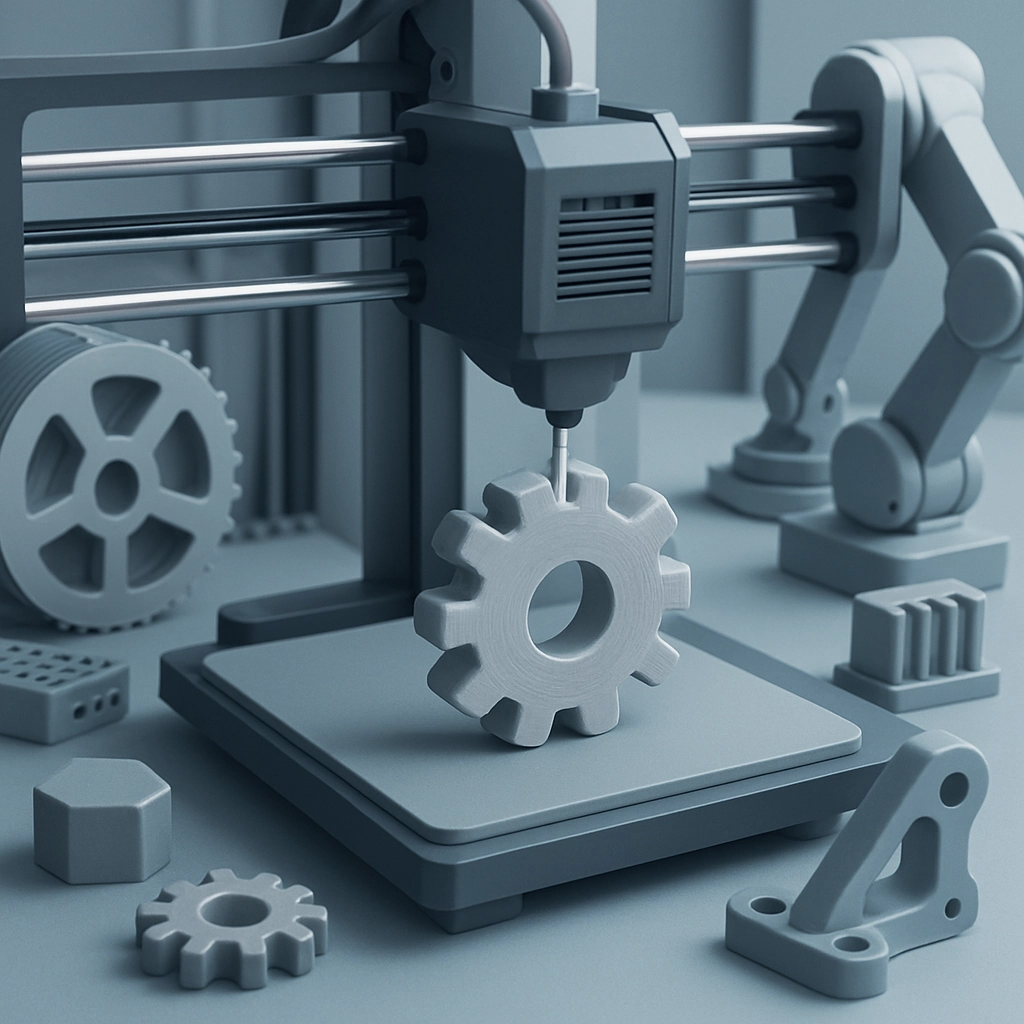

The Role of 3D Printing in Modern Manufacturing
In the fast-paced world of manufacturing, innovation is the name of the game. From machinery that spits out intricate components to the assembly lines that require precision, every detail counts. One of the most exciting developments in recent years has been the rise of 3D printing, or additive manufacturing, which has begun to revolutionize how products are designed, produced, and delivered. Let’s dive into the fascinating role of 3D printing in modern manufacturing and explore how it’s changing the landscape of production.
Redefining Traditional Manufacturing Processes
Traditionally, manufacturing has involved subtractive processes — think cutting, drilling, or milling material away from a solid block to create a final product. While effective, these methods can be wasteful, both in terms of materials and time. Enter 3D printing! This additive technique builds objects layer by layer, using only the material needed to create the item. Not only does this reduce waste significantly, but it also allows for more intricate designs that would be challenging or even impossible to achieve using traditional methods.
For example, in industries such as aerospace and automotive, where weight efficiency is crucial, 3D printing makes it possible to create lightweight parts that maintain structural integrity. This leads not only to performance improvements but also to fuel savings over time. Talk about a win-win!
Prototyping Made Easy
Prototyping is a vital aspect of manufacturing, allowing businesses to test concepts and designs before committing significant resources to mass production. In the past, creating prototypes could take weeks or even months. 3D printing has drastically reduced this timeline. With a 3D printer, designers can produce a prototype overnight, iterate on designs quickly, and test concepts in real-world scenarios.
This rapid prototyping capability paves the way for more innovative designs, as companies can experiment without fear of high costs or lengthy timelines. It empowers creators, expands possibilities, and fuels creative thinking. Startups and small businesses particularly benefit from this, as they can bring their ideas to life much more efficiently, leveling the playing field and fostering innovation.
Customization and Personalization
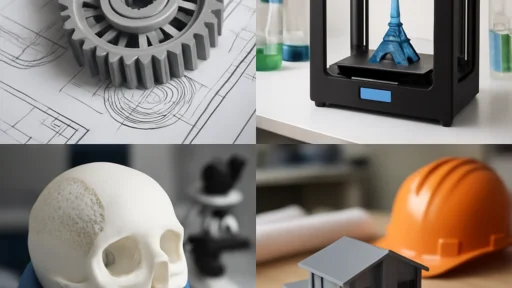
One of the most significant advantages of 3D printing lies in its ability to produce customized products on demand. Whether it’s a bespoke pair of shoes that fit like a glove or specialized medical implants tailored to an individual’s anatomy, 3D printing offers unparalleled flexibility in personalization.
For instance, in the healthcare industry, 3D printing is making waves with customized prosthetics and orthopedic implants. These are not only a better fit for patients but also reduce recovery times and improve overall results. In consumer products, companies can harness this capability to offer personalized goods, allowing consumers to play a role in the design process. What a fun way to connect with brands!
Sustainability and Reducing Risks
Manufacturers today are under pressure to operate sustainably, and 3D printing plays a significant role in this arena. As we discussed earlier, 3D printing minimizes waste by using only the necessary amount of material. Furthermore, it often enables the use of recycled materials, such as plastics or metals, which can be reprocessed and repurposed into new products.
Additionally, 3D printing can reduce the environmental impact associated with shipping and logistics. Instead of transporting goods from a factory overseas, businesses can 3D print products closer to their end users, significantly cutting carbon footprints. Imagine a world where you can quickly print spare parts for machinery on-site, eliminating the need for lengthy supply chains.
The Future Beckons
As we look toward the future, it’s clear that the role of 3D printing in manufacturing will only grow stronger. Emerging technologies are making printing faster, more precise, and increasingly accessible. Innovations, such as multi-material printing and bio-printing, are set to unlock even more possibilities — and we can only imagine how these advancements will further alter the manufacturing landscape.
In a world where adaptability and innovation are key to survival, 3D printing represents a powerful tool that allows manufacturers to stay ahead of the curve. By embracing this technology, companies not only improve their production methods but also meet changing consumer demands and advance toward sustainable practices.
As technology advances and more industries come to appreciate the benefits, we stand at the precipice of a new era in manufacturing, one where creativity meets practicality, and innovation knows no bounds. The future of manufacturing is bright, and 3D printing is a leading star in this awe-inspiring transformation.