

Fun and Creative Applications of 3D Printing in Art and Design
3D printing has revolutionized not just how we manufacture goods but also how we express creativity across various fields, especially in art and design. Gone are the days when sculptors had to chisel away at blocks of stone or wood, or when designers sketched their ideas on paper alone. With 3D printing, artists and designers are now exploring new realms of creativity, experimenting with materials and forms that were once deemed impossible. Let’s dive into some of the most exciting and creative applications of 3D printing in the world of art and design.
Sculptures That Defy Imagination
One of the most striking applications of 3D printing is in sculpture creation. Artists can design intricate forms on software and then bring them to life with a 3D printer. This process allows for the creation of complex geometries that would be nearly impossible to create by hand. For instance, artists like Joshua Harker have taken 3D printing to the next level by crafting mesmerizing, detailed sculptures that seem to defy gravity. Using software to precisely model every twist and turn, Harker’s work blurs the lines between digital design and traditional sculpture.
Customized Art Pieces
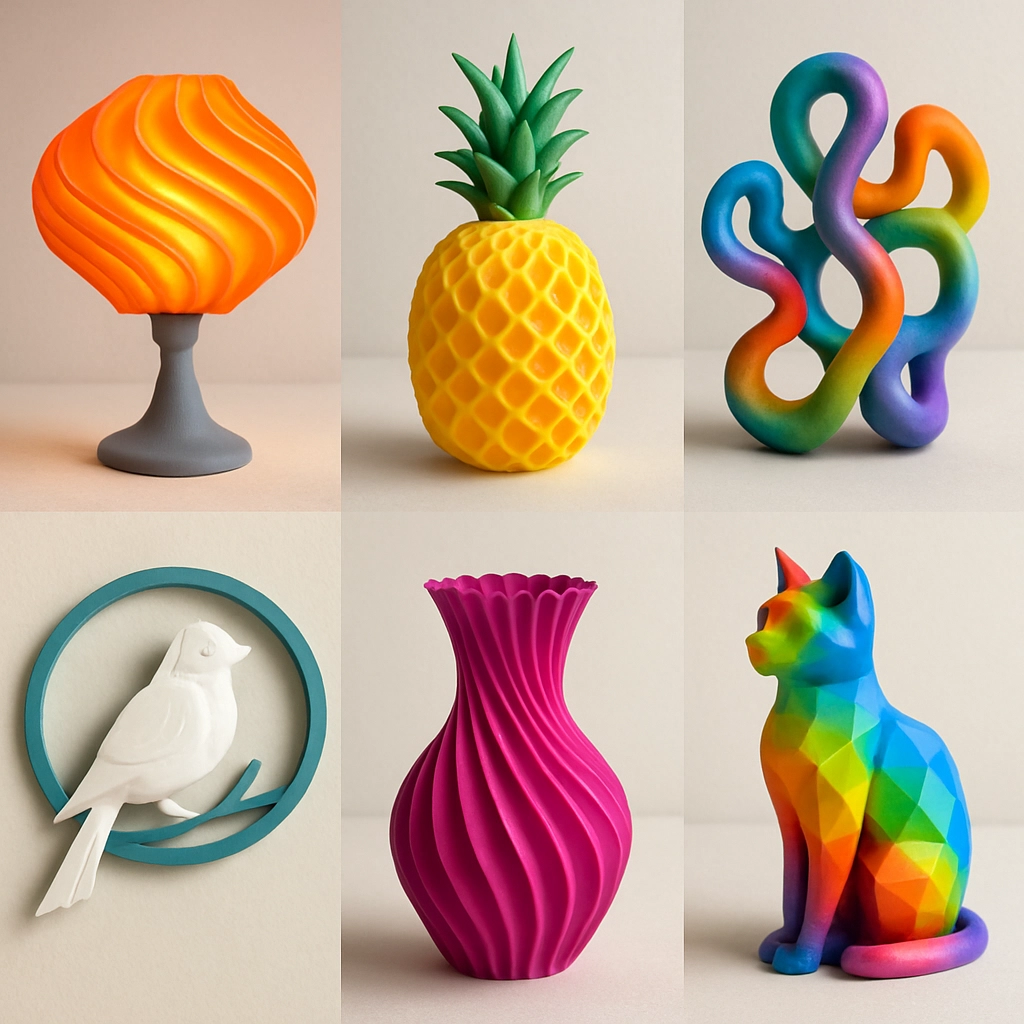
Imagine an artwork that’s not only unique but also tailored to your specific tastes! 3D printing enables artists to create personalized pieces for individual clients. From custom vases that reflect a homeowner’s personality to bespoke figurines capturing pet likenesses, the possibilities are endless. Artists can interact with clients to design and produce pieces that resonate on a personal level, making art feel more relatable and accessible to everyone.
Wearable Art: Fashion Meets Technology
The world of fashion is also getting a serious makeover thanks to 3D printing. Designers like Iris van Herpen have been pioneering the use of this technology to create stunning wearable art. Imagine dresses that feature intricate patterns, corsets with engineered structures, or accessories that shimmer uniquely under different lights! By utilizing 3D printing, designers can produce clothing and accessories that are not only avant-garde but also offer comfort and functionality. The future of fashion is not just in the fabric but in how we design and produce it.
Architecture and Interior Design
3D printing is making waves in architecture too! Architects can create detailed models of their designs, allowing clients to visualize spaces before they’re fully constructed. Beyond models, some firms are even exploring the idea of building entire structures using large-scale 3D printers. This innovative approach could make construction quicker, reduce waste, and allow for the creation of unique designs that traditional methods can’t achieve.
Meanwhile, in interior design, 3D printing is paving the way for custom furnishings and decor items. Whether it’s a unique lamp that fits perfectly in a cozy corner or a table that reflects a specific style, designers are harnessing this technology to create pieces that truly cater to the space and its inhabitants.
Interactive Installations
The world of museums and galleries is not immune to the 3D printing revolution. Artists are using this medium to create interactive installations that invite viewers to engage with the art. Imagine walking into a gallery and touching a sculpture that changes color or shape! With advances in technology, especially with the incorporation of electronics, artworks can incorporate elements like sound, light, and movement, creating an immersive experience that captures the imagination.
Learning and Teaching
3D printing isn’t just for professionals; it’s making its mark in educational settings too! Schools and universities are incorporating 3D printing into their art and design curricula. Students can experiment by transforming their sketches into tangible models that they can modify in real-time. This hands-on learning approach helps bridge the gap between theory and practice, encouraging students to think creatively while mastering essential design software and skills.
The Future of Art and Design
As technology continues to advance, the capabilities of 3D printing in art and design will expand, leading to even more innovative applications. Artists will regularly experiment with new materials like bio-plastics and metal, exploring sustainable options to create their works. Imagine art made from recycled materials or pieces that invite viewers to actively participate in their creation.
3D printing has opened a Pandora’s box of creativity, enabling artists and designers to think outside the box – or in this case, the printer. The intersection of art and technology is a thrilling space, and as these two worlds become even more intertwined, we can only anticipate the amazing creations that await us. So next time you admire a stunning sculpture or a beautifully crafted piece of jewelry, remember that it might just be a product of this fascinating technology, pushing the boundaries of what is possible in the arts.