

Sustainable 3D Printing: Eco-Friendly Filament Options
3D printing has revolutionized the way we create and manufacture everything from toys to prototypes, but it’s also brought to light some significant environmental challenges. As our world becomes increasingly concerned about sustainability, the good news is that the world of 3D printing is adapting. Eco-friendly filament options are gaining popularity, allowing makers and manufacturers to balance creativity with conscience.
Why Consider Eco-Friendly Filament?
Traditional 3D printing filaments, like PLA (polylactic acid) and ABS (acrylonitrile butadiene styrene), may come with environmental downsides. For example, while PLA is plant-based and biodegradable, it often requires specific conditions to break down, which aren’t always available in typical composting systems. ABS, on the other hand, is a petroleum-based product that releases VOCs (volatile organic compounds) when heated, which isn’t great for air quality.
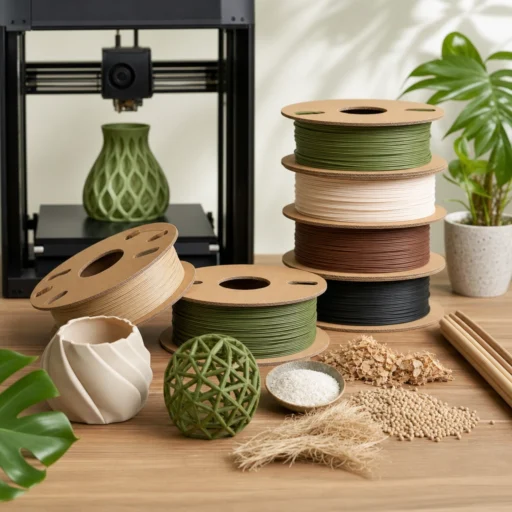
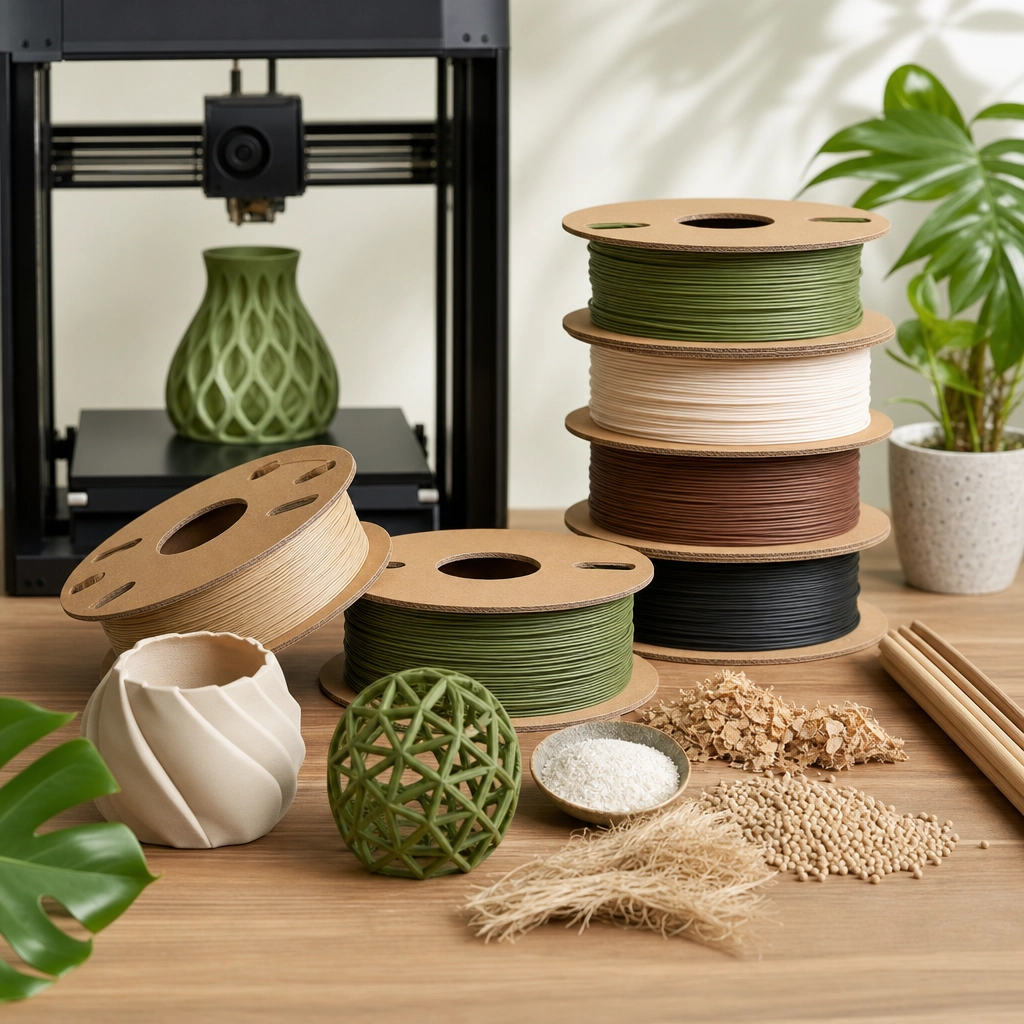
By choosing more sustainable options, you take a step toward reducing plastic waste and minimizing your carbon footprint. Sustainable filaments are often made from renewable resources or are designed to be reused or recycled, making them ideal for environmentally conscious makers.
Popular Eco-Friendly Filament Types
1. PLA Made from Bio-Based Sources
While traditional PLA is plant-based, some manufacturers produce bio-PLA that uses even more renewable resources, sourced from agricultural waste or other non-food plants. This innovative approach not only offers the ease of printing that PLA is known for but also exemplifies a closed-loop system by repurposing materials that may otherwise go to waste.
2. Recycled PETG
PETG (polyethylene terephthalate glycol-modified) is known for its durability and ease of use, but did you know that you can also find recycled PETG filament? This eco-friendly option reduces the need for virgin plastic and empowers you to print by utilizing materials that are often discarded. It’s just as strong and versatile while being a more responsible choice.
3. Hemp Filament
Yes, you read that right! There is hemp filament made from the fibers of the hemp plant. Not only is hemp a rapid-growing crop that requires little water and no pesticides, but it also produces fibrous materials that are strong yet lightweight. Hemp filament can give your 3D prints a unique aesthetic, plus it has a lower environmental impact compared to standard plastics.
4. Wood Filament
If you’re looking for something that offers the feel and aesthetic of real wood, wood-based filament is an exciting choice. These filaments combine PLA with recycled wood fibers, resulting in a biodegradable product that can be sanded and polished like actual wood. Just be mindful of the printing temperature, which may be slightly higher than standard filaments.
5. Bio-Based NinjaFlex
When you need flexible prints, NinjaFlex is a fantastic option, especially when it follows a bio-based approach. This filament is made from thermoplastic elastomers derived from renewable sources. It can be perfect for projects that require flexibility, such as custom fittings or bezels.
6. Carbon Nanotube-Infused Filament
For those looking towards the future, carbon nanotube-infused filaments are an evolving area in sustainable 3D printing. Emerging technologies aim to incorporate renewable sources alongside advanced materials, creating filaments with improved properties such as strength and conductivity while leveraging eco-friendly components.
Tips for Choosing the Right Eco-Friendly Filament
When selecting an eco-friendly filament, consider factors such as the intended application, printing experience level, and what kind of finish you want. Additionally, always check the manufacturer’s guidelines for temperature settings and printing behavior since they can vary significantly from traditional filaments.
Recycling and post-printing practices can also contribute to sustainability. If you have leftovers from your prints, look into filament recycling machines that allow you to turn unused material back into usable filament.
The Bigger Picture
Sustainable 3D printing is not merely about what you print with; it’s about fostering an entire mindset focused on reducing waste and making responsible choices. As consumers and creators, we have the power to influence the demand for sustainable products and, by extension, the health of our planet.
The world of environmentally friendly 3D printing is expanding, with more options and innovations emerging every day. By choosing sustainable filaments, you’re not just enhancing your creative projects; you’re participating in a movement toward a greener future. Your prints become more than just objects; they transform into tangible contributions to our planet’s health—one layer at a time.