

Exploring the Impact of 3D Printing on Modern Manufacturing
In recent years, 3D printing has emerged as one of the most transformative technologies in manufacturing, revolutionizing how we create everything from simple prototypes to complex machinery. What’s so exciting about this technology? It’s not just the novelty of printing in three dimensions but how it’s reshaping industries, reducing waste, and changing our approach to production. Let’s take a closer look at the impact of 3D printing on modern manufacturing.
A New Way to Create
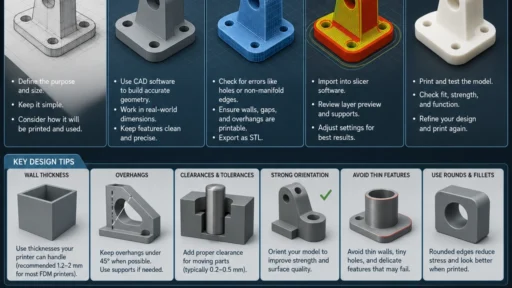
Think back to traditional manufacturing. It often involves tedious processes like subtractive manufacturing and assembly lines, which can be slow and capital-intensive. But with 3D printing, or additive manufacturing, objects are built layer by layer from digital models. This allows for a level of complexity and customization that simply wasn’t possible before. You can design, modify, and produce items much faster. It’s like having a magic wand for creating prototypes!
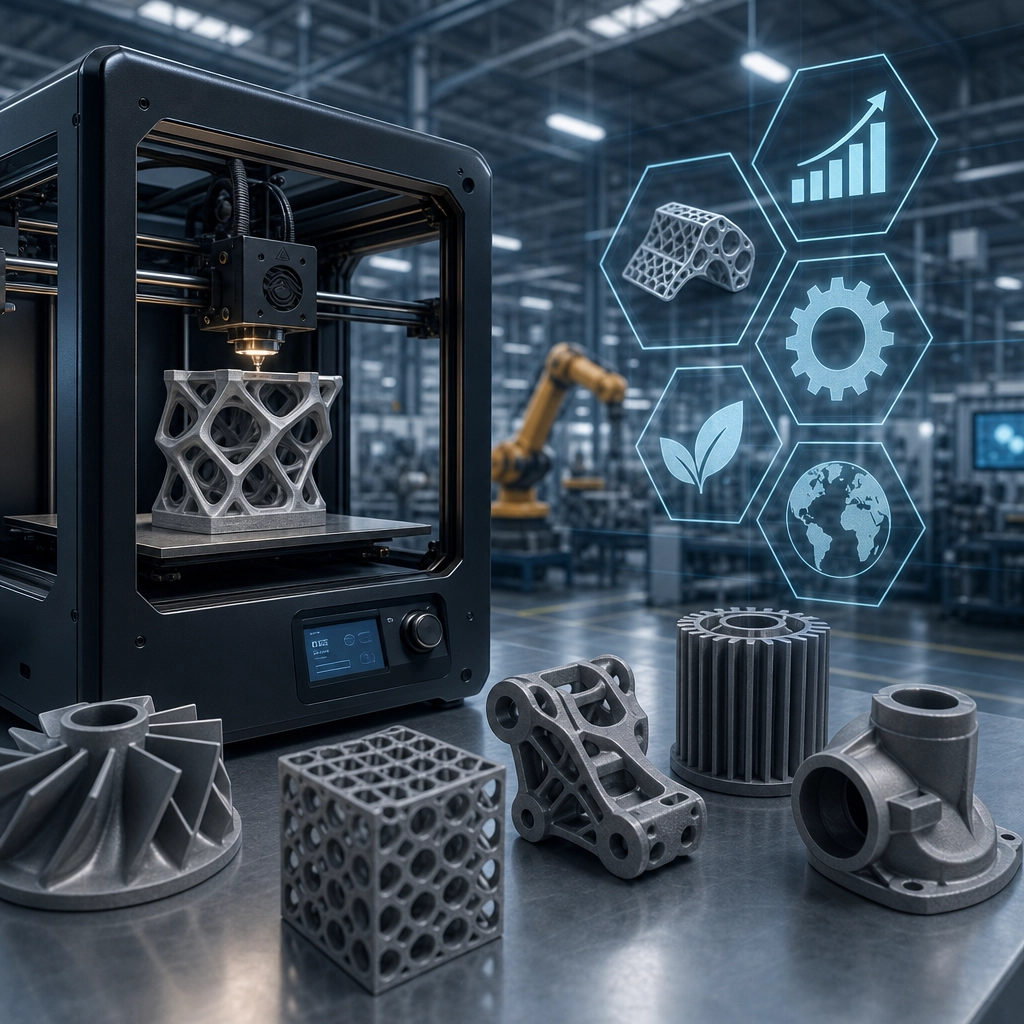
For industries like aerospace and automotive, where weight and efficiency are crucial, the benefits are profound. Companies can produce lightweight yet strong components using materials that were previously difficult to manipulate. Airbnb and Boeing, for example, have utilized 3D printing to design intricate parts for aircraft, resulting in better fuel efficiency and performance.
Cost Efficiency and Waste Reduction
One of the significant advantages of 3D printing is the cost savings it can provide. Traditional manufacturing often results in considerable amounts of waste as raw materials are cut away from a larger block. In contrast, 3D printing uses only the material required to build the object, significantly reducing waste. This not only translates to savings in material costs but is also a more sustainable approach to production.
Moreover, the short lead times for prototyping mean that companies can bring new products to market much faster. Imagine an entrepreneur with a brilliant idea who needs to test a prototype. In the past, this could require weeks or months of designing and building. With 3D printing, that prototype can be in their hands within days, allowing for quicker iterations and testing.
Customization is Key
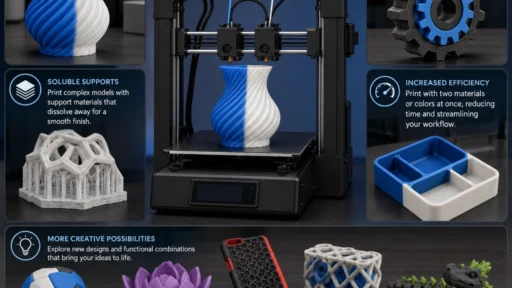
Another exciting aspect of 3D printing is its ability to produce customized products at scale. This has opened new doors for industries that require tailored features, such as healthcare. In the sector, 3D printing has made it possible to create customized prosthetics and implants designed specifically for individual patients. This kind of personalized medical device can drastically improve comfort and effectiveness, making recovery much more efficient.
Beyond healthcare, customization is gaining traction in consumer goods as well. Whether it’s personalized phone cases or tailor-made furniture, businesses can give their customers exactly what they want—something that was often too expensive or time-consuming to achieve with traditional manufacturing.
Challenges Ahead
Of course, no new technology is without its challenges. The rapid rise of 3D printing raises questions about quality control, intellectual property, and the potential for job displacement. While it’s true that certain jobs may evolve or disappear, new opportunities are also created in areas like design, machine operation, and maintenance.
Furthermore, as exciting as customization is, it brings along challenges of ensuring quality and consistency. The materials used in 3D printing can vary widely in their properties, so manufacturers must focus on rigorous testing to maintain product integrity.
Looking to the Future
So, where is 3D printing headed? As technology advances, we’re likely to see even more innovative applications across a myriad of industries. Researchers are already experimenting with new materials, from bio-printing tissues to using concrete in construction, providing a glimpse into a future where the possibilities are virtually limitless.
Moreover, with the rise of automation and artificial intelligence, the integration of these technologies with 3D printing could further streamline processes and improve efficiencies. Imagine a world where you can simply download the blueprints of a part you need, and your 3D printer springs to life, producing it right in your living room or in the back of a delivery truck.
3D printing is undoubtedly changing the way we think about manufacturing. It’s breaking down barriers, cutting costs, and paving the way for a more sustainable future. As we continue to embrace this technology, the possibilities are tantalizingly endless. With creativity and innovation, who knows what we might be able to produce next? The future of making things has never looked so promising.