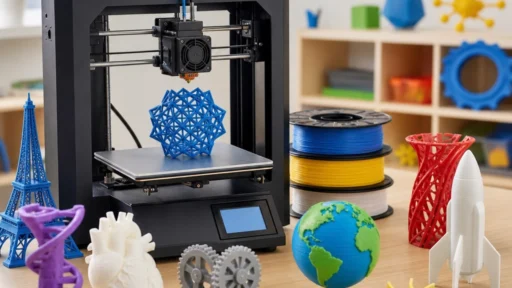


From Hobby to Business: Turning Your 3D Printing Passion into Profit
If you’ve ever dabbled in 3D printing, you know it’s not just a hobby; it’s a gateway to creativity and innovation. The ability to bring your ideas to life layer by layer can be incredibly fulfilling. But have you ever thought about taking that passion and turning it into a lucrative business? Whether you’re already churning out models at home or just contemplating the idea, let’s explore how you can make your 3D printing hobby profitable.
Identify Your Niche
Before diving headfirst into the world of entrepreneurship, start by identifying what you’re passionate about in your 3D printing journey. Are you into creating toys, jewelry, home decor, or perhaps prototypes for other businesses? Finding your niche is crucial because it allows you to focus your efforts on a specific market and establish yourself as an expert.
Consider what unique skills you possess. Are you great at designing intricate models? Do you have an eye for aesthetic appeal? Once you identify your niche, conduct some market research. Browse platforms like Etsy, eBay, or even social media to see what products are trending and where there might be a demand that hasn’t quite been fulfilled yet.
Fine-Tune Your Skills
3D printing is as much about design as it is about machinery. If you’re not already savvy in CAD (Computer-Aided Design) software, now might be the time to sharpen those skills. Free resources like Tinkercad or Fusion 360 online tutorials are invaluable for getting you acquainted with model creation.
Practice makes perfect, so don’t hesitate to experiment with different designs and techniques. The more you create, the more you’ll understand the capabilities and limitations of your 3D printer. Understanding the nuances of your equipment—like print speed, material types, and settings—will give you an edge when you start producing for sale.
Set Up Your Workspace
A dedicated workspace can significantly affect your productivity. Ideally, your workspace should be organized, comfortable, and equipped with all the necessary tools. If you’re serious about turning your hobby into a business, consider investing in a more reliable printer or high-quality materials. Think of this as an investment into your crafting future.
Additionally, ensure that your workspace is safe and compliant with any local regulations regarding noise and waste management, especially if you’re planning to do a lot of work or have customers visiting.
Create an Online Presence
In today’s digital world, an online presence is essential. Start by setting up a website and social media accounts dedicated to your 3D printing projects. Showcasing your creations through compelling visuals can significantly boost interest. High-quality images and videos of your prints can attract potential buyers and give them a sense of the craftsmanship behind each piece.
Platforms like Instagram and Pinterest are especially handy for visual products. Consider sharing behind-the-scenes content that showcases how your pieces are made. Engaging with your audience through storytelling can create a connection that’s often crucial for sales.
Pricing Your Products
Finding the right price for your products can be tricky. It’s essential to consider not just the material costs but also the time and effort you put into creating your designs. Don’t undersell yourself! Investigate similar products in the market to help guide your pricing strategy. A well-thought-out pricing model takes into account costs like materials, equipment depreciation, shipping, and your time.
Remember that as your brand grows, customer loyalty can allow you to increase prices without losing your audience. Keep in mind that quality should never be compromised for lower pricing.
Marketing Your Offerings
Once you have products ready for sale and your online presence set, it’s time to spread the word. Consider more than just social media; think about reaching out to local businesses that might need prototypes, like startups or designers. Collaborate with local artists or makers fairs to showcase your products in person.
Email marketing is another effective tool that helps keep past customers informed about new products or promotions. And don’t forget the power of word of mouth. Sometimes the best marketing happens when a friend shares your work with someone else.
Find Your Rhythm
As your orders start rolling in, you’ll likely discover a rhythm that works for you. Balancing production with order fulfillment can take some time, but it’s essential to maintain your quality. Consistent and prompt communication with your customers will keep them coming back for more.
Turning a hobby into a business can be a rewarding journey filled with challenges and learning experiences. As you carve out your niche in the 3D printing world, remember that every step you take is a part of your story. Embrace the growth, enjoy the process, and let your passion for creation drive you toward success. There’s no limit to what you can achieve when you meld creativity with entrepreneurship!