


How to Properly Store Your 3D Filaments
If you’re an avid 3D printing enthusiast, you know that the right filament can make or break your print. But did you know that how you store your filaments is just as crucial to ensuring they perform well? Just like that fine bottle of wine or specialty coffee, your 3D filaments deserve a little TLC. So let’s hop into the world of filament storage and learn how to keep your precious spools in tip-top shape!
Why Proper Storage Matters
Before diving into the specifics, let’s talk about why it’s so important to store your filaments correctly. Most 3D printing materials, such as PLA, ABS, PETG, and others, can be sensitive to environmental factors like humidity, temperature, and light. Many filaments can absorb moisture from the air, leading to problems like bubbling, poor layer adhesion, and uneven extrusion when you finally get around to printing.
Imagine loading up your printer with a filament that’s absorbed more humidity than a rain-soaked sponge! Suddenly, you’re dealing with a failed print and frustration levels soaring. Proper storage helps to mitigate these issues and prolongs the life and quality of your filament.
1. Keep It Dry
Moisture is perhaps the biggest enemy of your 3D filaments. Depending on the material, filament can typically absorb moisture from the air, so keeping them dry is a must. Here are a few strategies:
-
Desiccant Packs: Place silica gel packs or other desiccants in your storage container. These little moisture-absorbing powerhouses can help keep the humidity at bay.
-
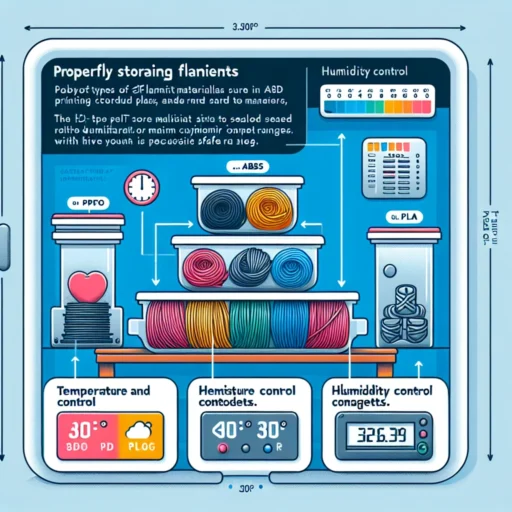
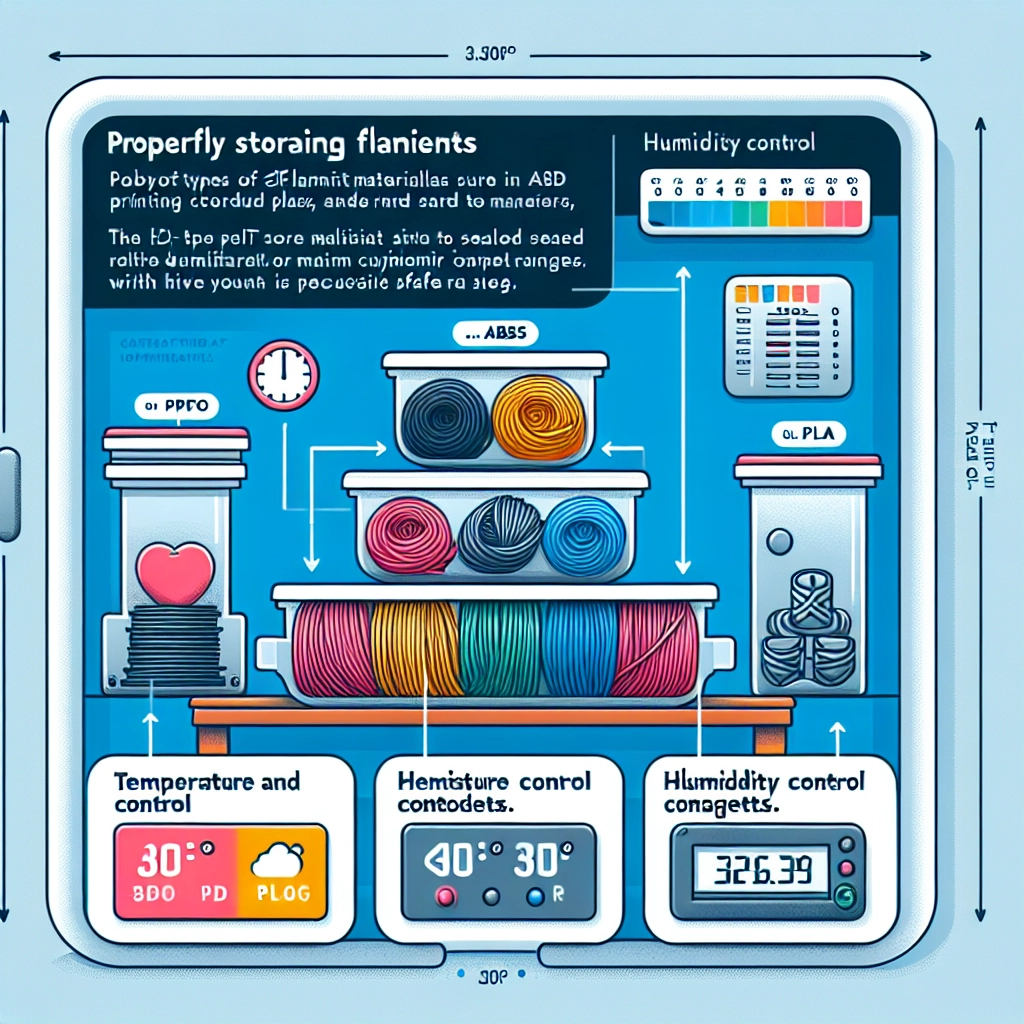
Airtight Containers: Investing in airtight storage bins or vacuum-sealed bags can be a great way to keep moisture out. Look for containers made specifically for filament storage; they often come with sealable lids to ensure your filaments stay dry.
-
Filament Dryer: If you tend to work with hygroscopic materials like Nylon or PVA, consider investing in a filament dryer, which can help remove moisture before printing.
2. Maintain a Consistent Temperature
Extreme temperatures can also negatively impact your filament. Storing your filaments in an area that experiences drastic temperature fluctuations can cause them to warp or degrade over time.
-
Temperature Control: Ideally, store your filaments in a cool, dry place, away from direct sunlight. A consistent temperature between 15°C to 25°C (59°F to 77°F) is ideal for most filaments.
-
Away from Heating Elements: Avoid placing your storage bins near heaters, radiators, or windows where the sun can shine directly on them. This will help prevent any premature aging or melting of the filament.
3. Limit UV Exposure
Some filaments, like certain types of PLA, can be sensitive to UV light. Over time, exposure to UV can cause brittleness and changes in color.
- Dark Storage: Keep your spools in opaque containers or boxes. If your storage container is clear, consider wrapping it in a dark cloth or storing it in a shaded area.
4. Upright or Horizontal?
When it comes to how to position your filaments, opinions vary. Some enthusiasts prefer storing spools upright, while others advocate for a horizontal layout to prevent deformation.
-
Upright Storage: If your spools are designed to be stored upright, this can be a great option! It’s a space-saver and keeps the filament from bending.
-
Horizontal Storage: If you will be stacking spools or if the spools are loose, laying them flat may be preferable to avoid any warping.
5. Check for Quality Regularly
Every once in a while, take the time to inspect your filaments. A quick check can save you from a printing nightmare later!
-
Visual Inspection: Look for any signs of moisture, brittleness, or unusual color changes. If the spool feels powdery or crumbles in your hand, it might be time to replace it.
-
Test Prints: If you’re unsure about the quality, why not test it out? A small print can quickly reveal if the filament is still in good shape for larger projects.
Wrapping Up
Storing your 3D filaments properly not only protects your investment but also enhances the quality of your prints. By keeping them dry, at a stable temperature, and away from UV light, you’re setting yourself up for success on every print. Just remember, the care you put into your filament storage pays off when that finished print comes out flawless. Happy printing, and may your spools always roll perfectly!


