

How 3D Printing is Transforming the Automotive Industry
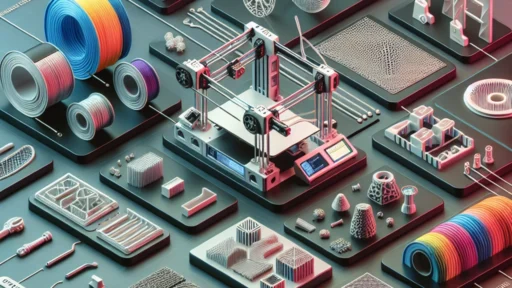
If you think about it, the automobile industry is a fascinating mix of engineering precision and artistic design. With consumers desiring faster, more efficient, and customizable vehicles, it seems like the industry has been uniquely poised to embrace new technologies. One of the standout innovations has undoubtedly been 3D printing. Not just a trend or a novelty, this technology is reshaping everything from how cars are designed to how they’re manufactured and serviced. Let’s dive into how 3D printing is driving change in the automotive world.
Design Reimagined
Traditionally, creating a car design involved a lengthy process filled with creative sketches, clay models, and numerous prototypes. With 3D printing, those days are becoming a relic of the past. Designers can quickly create intricate models to assess shape and functionality within hours instead of weeks or months. For instance, companies like BMW and Ford are using this technology to expedite their prototyping phase, allowing them to iterate through designs rapidly. Imagine being able to see a physical version of your design idea on the same day you thought of it! This capability not only helps save time and costs but also encourages more experimentation and innovation in the design process.
Streamlined Manufacturing
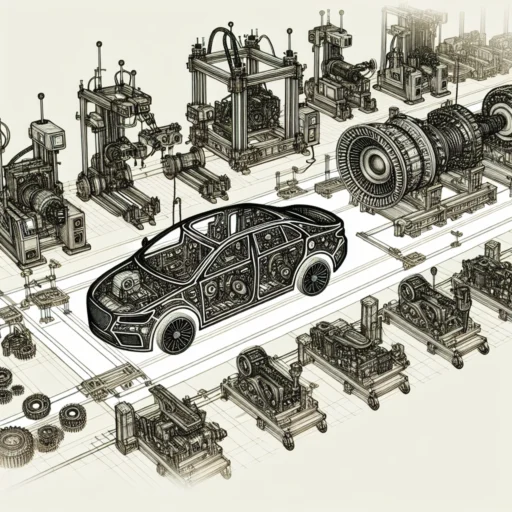
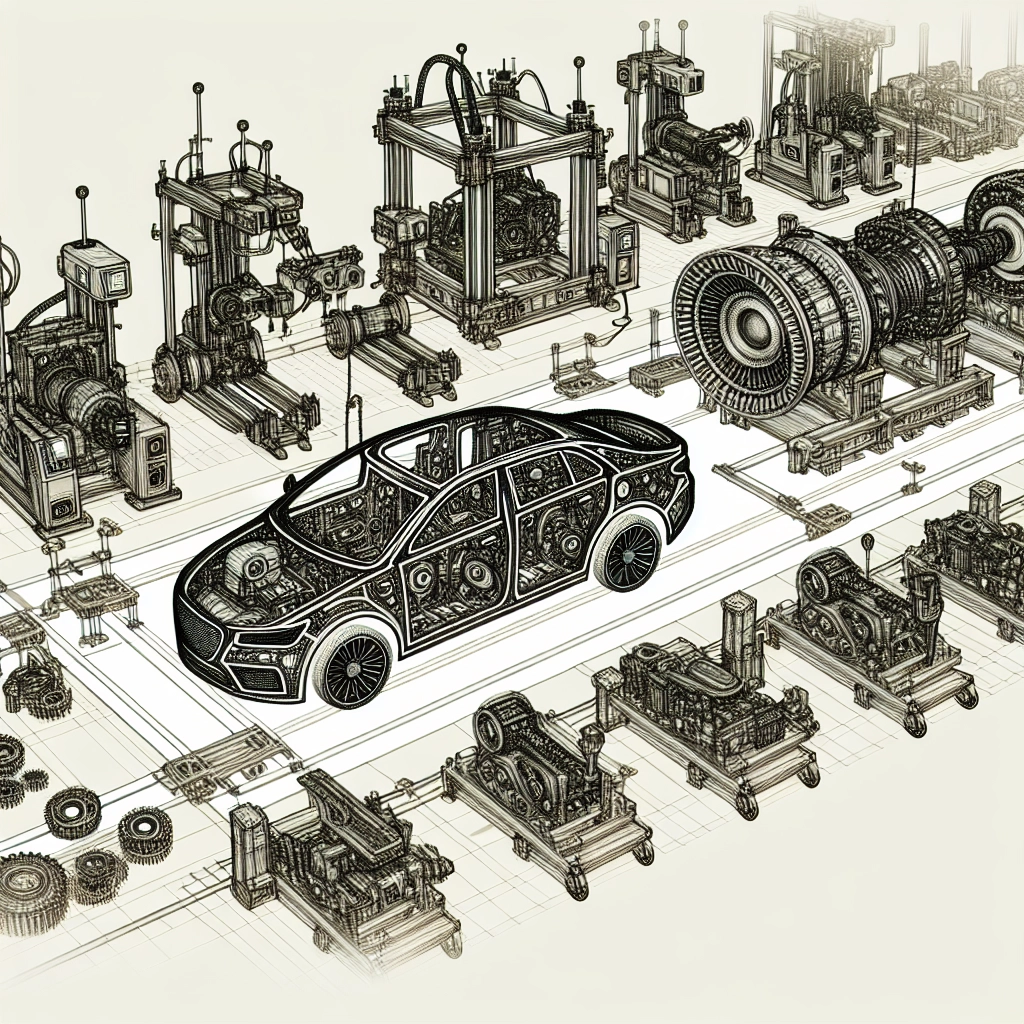
3D printing is also revolutionizing the manufacturing side of automotive production. Traditionally, manufacturers have been saddled with a lot of overhead when it comes to creating parts—think molds, assembly lines, and inventory. With 3D printing, companies can produce automotive parts on-demand, drastically reducing lead times and storage costs.
For example, manufacturers like General Motors and Volkswagen are using 3D printing to produce parts in small batches, thereby eliminating unnecessary inventory. This not only minimizes waste but also allows for more flexibility. If there’s a design modification or emerging trend, changes can be made relatively easily. Also, producing lighter yet durable parts can improve overall fuel efficiency, making cars more environmentally friendly.
Customization at Scale
In a world where consumers crave individuality, 3D printing provides an answer. Imagine a car where every contour and part is specifically tailored to your personal preference! While mass production has its advantages, the ability to offer customized components at scale is a game changer. Companies like local start-ups and established players alike are jumping at the chance to offer bespoke solutions, be it bespoke dashboard trims or unique wheel designs.
This level of personalization is especially appealing to enthusiasts who want their vehicles to stand out from the crowd. Instead of being limited to a few “customizable” options from the factory, 3D printing opens the door to nearly limitless design choices.
Repair and Replacement Simplified
Another compelling aspect of 3D printing in the automotive world is how it simplifies repairs and replacements. Traditionally, sourcing replacement parts has been a tedious process, often leading to long wait times. With 3D printing, manufacturers can produce spare parts on demand, either in-house or via third-party providers. This is especially important for vintage or rare vehicles, where specific parts may be no longer in production.
Imagine needing a replacement part for your classic ride; instead of scouring junkyards and online marketplaces, a simple digital design can procure an exact replica in no time. This not only transcends geographical constraints but can also keep heritage models alive for future generations to enjoy.
Sustainability Focus
In the quest for greener alternatives, 3D printing emerges as a formidable ally. Not only does it minimize waste during production, but it can also utilize sustainable materials. Many firms are exploring eco-friendly filaments made from recycled plastics or biodegradable substances. Moreover, by reducing the weight of various components, automakers can enhance fuel efficiency, contributing to a lower carbon footprint.
The Future is Bright
As we look ahead, the impact of 3D printing on the automotive industry is expected to grow even more profound. Emerging technologies like metal 3D printing and advanced materials are already being explored, and we can only imagine the innovations that lie ahead. With continuous advancements in speed, quality, and material options, the blend of technology and creativity will only intensify.
In a nutshell, 3D printing is not just a tool; it’s a revolutionary force driving the automotive industry into an era of unprecedented creativity and efficiency. As we cruise forward into this new domain, the road ahead looks promising for automakers and consumers alike, where cars can be as unique as the individuals who drive them. And who knows? That fancy new feature you’ve always dreamed about could very well start as a 3D print!