
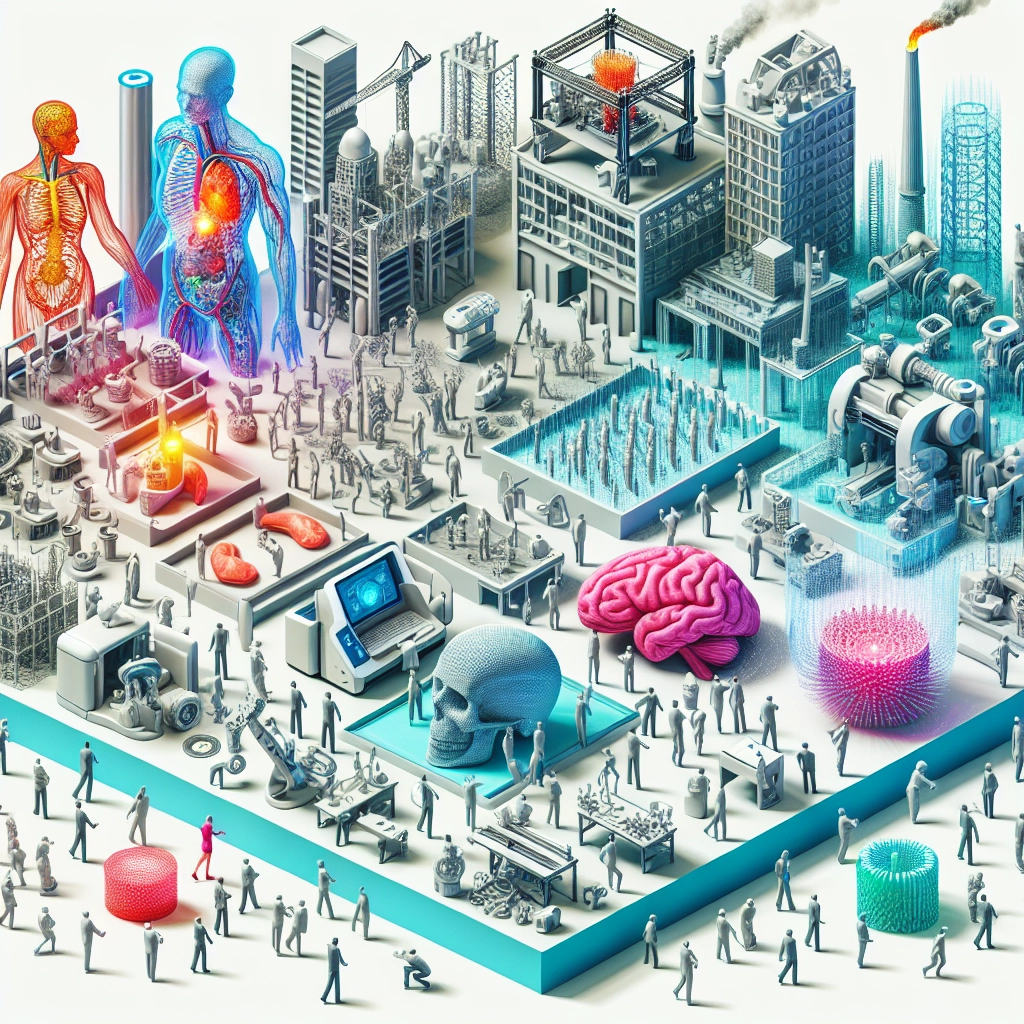

Innovative Uses for 3D Printing in Various Industries
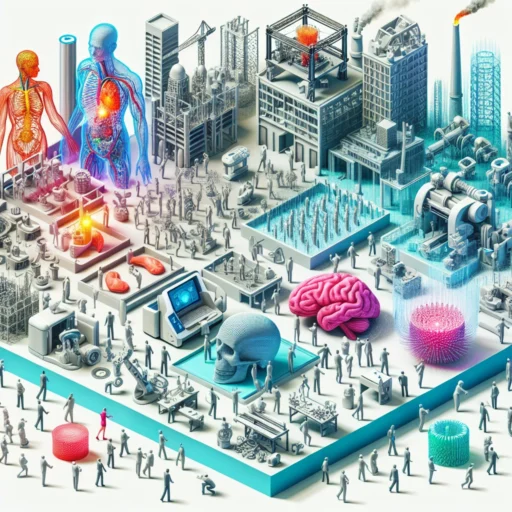
3D printing, once a novelty that seemed straight out of a sci-fi movie, has rapidly evolved into a revolutionary tool that’s being used in a myriad of industries. Its versatility, efficiency, and the ability to create complex structures have opened doors to innovative applications that are reshaping traditional practices. Let’s dive into some fascinating uses of 3D printing across different sectors and see just how this technology is making waves.
Healthcare: A New Era of Customization
One of the most promising applications of 3D printing is in healthcare. Imagine a world where medical devices, prosthetics, and even organs are tailored specifically to individual patients. That world is becoming a reality!
Prosthetics, for example, can now be 3D printed to fit perfectly for patients. Just think about how 3D printing allows for customized designs at a fraction of the regular cost and time. With the ability to print lightweight structures that don’t compromise on durability, these prosthetics offer not only functionality but also comfort.
Moreover, 3D printing has also made its mark in the realm of surgical planning. Surgeons can print precise models of a patient’s anatomy from scans, allowing for better preparation for complex surgeries. This technology has been pivotal in improving outcomes for procedures, making surgeries safer and more effective.
Aerospace: Lighter, Stronger, Faster
If you look up at a plane flying overhead, there’s a good chance it has benefited from 3D printing technology. In the aerospace industry, weight is a critical factor. Any reduction in weight translates into fuel savings and improved performance.
Companies like Boeing and Airbus are using 3D printing to create components that are not only lightweight but also incredibly strong. For example, Boeing has successfully tested 3D printed parts for their aircraft, significantly reducing production time and costs. The ability to manufacture intricate details that would be impossible or extremely expensive using traditional methods opens new avenues for design innovation.
3D printing also allows for quick prototyping, which means faster iterations of designs. This agility is essential in an industry where every day counts in terms of staying ahead of competition and meeting regulatory standards.
Automotive: On-Demand Parts Production
In the automotive sector, 3D printing is changing the game when it comes to manufacturing processes. Car manufacturers are leveraging this technology for rapid prototyping and producing on-demand parts. Ever heard of "just in time" manufacturing? That’s where 3D printing shines!
Instead of storing large inventories of parts that may or may not be used, companies can print components as needed. This not only saves space but also reduces waste. Car makers like Ford have been using 3D printers to produce tools and parts, allowing them to experiment with new designs and make modifications quickly without expensive delays.
Another exciting development is in electric vehicles (EVs). The lightweight elements made possible by 3D printing can enhance battery efficiency, making electric cars even more appealing to consumers.
Fashion: A New Tailor for Trends
Fashion is another industry where 3D printing is making a fashionable impact. Designers are beginning to explore this technology to create intricate patterns, textures, and cuts that would be unimaginable with traditional methods.
From shoes to entire garments, the possibilities are endless. Brands like Nike and Adidas have dived in, producing uniquely designed footwear that not only looks great but is also customizable. Imagine walking into a store and being able to design your own shoes! That’s the future of shopping.
Moreover, 3D printing allows for the use of sustainable materials, promoting eco-friendly fashion practices. As the industry grapples with sustainability issues, this technology may emerge as a key player in reducing waste and promoting recycling.
Architecture: Building with Precision
In architecture, 3D printing is revolutionizing the way structures are conceived and built. With techniques like contour crafting, entire buildings can be printed layer by layer. This approach not only speeds up the construction process but also minimizes material waste.
Architects are using 3D printing to create scale models that provide accurate visualizations. These models help in conveying concepts more effectively to clients and stakeholders. Moreover, the ability to experiment with forms and structures without the traditional costs associated with material use opens up a new realm of creativity. Some companies are even exploring the concept of 3D printing homes, reducing construction costs and making housing more affordable.
As we’ve explored in various industries, it’s clear that 3D printing is more than just a trend; it’s a lasting innovation that is changing how we create and interact with the world around us. The potential applications seem limitless. As technology continues to advance, it’s likely that the integration of 3D printing into everyday practices will become even more pronounced, further enhancing efficiency, personalization, and sustainability. What an exciting time to witness this transformation unfold!