
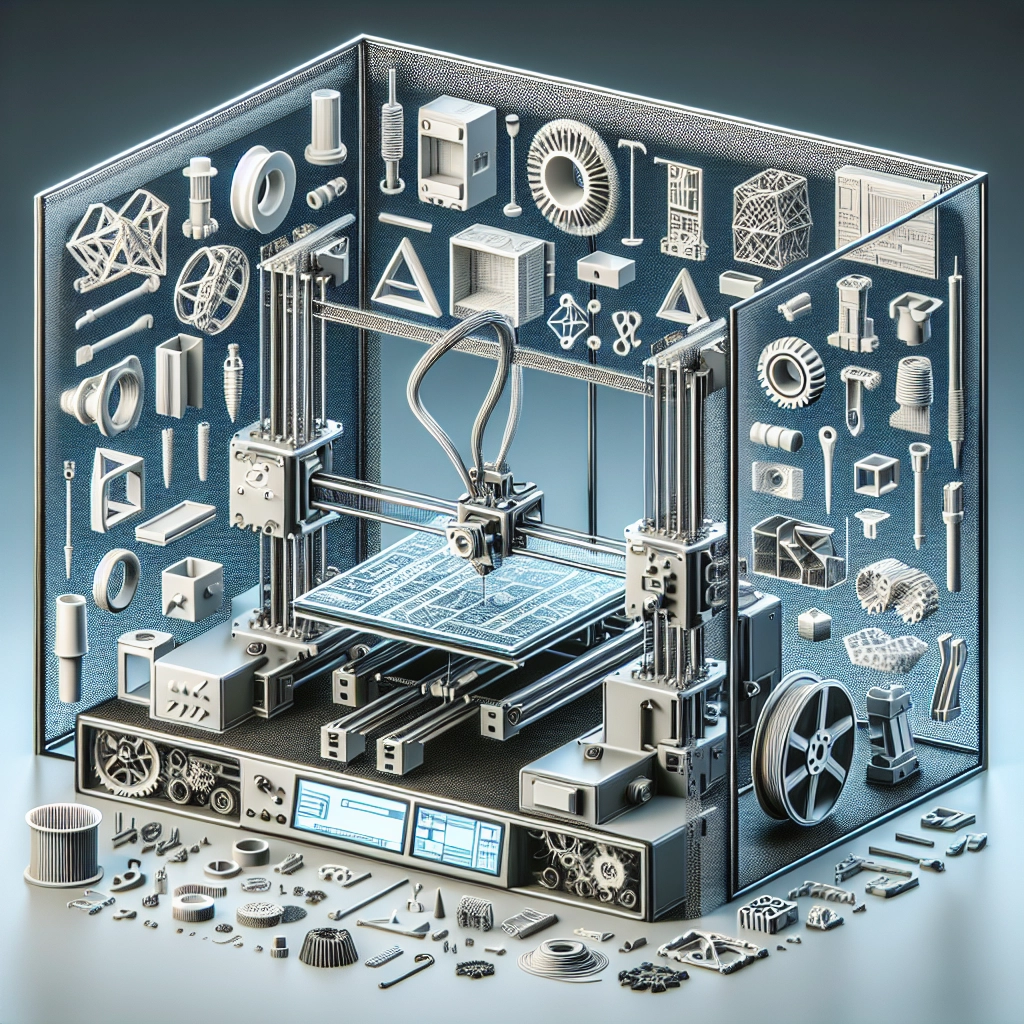

The Role of 3D Printing in Prototyping and Manufacturing
In recent years, 3D printing has taken the world by storm, evolving from a niche technology into a major player in prototyping and manufacturing. Once reserved for high-level engineers and tech-savvy innovators, this revolutionary method is now accessible to many — from hobbyists crafting their own models to large corporations streamlining their production lines. So, what’s all the buzz about? Let’s dive into the various ways 3D printing is reshaping the landscape of prototyping and manufacturing.
A Game Changer in Prototyping
One of the most significant advantages of 3D printing lies in its ability to speed up the prototyping process. Traditionally, creating prototypes involved multiple steps: drafting designs, selecting materials, and often, a lengthy assembly process. With 3D printing, designers and engineers can simply create a digital model and let the printer do the work. This not only saves time but also enables rapid iteration — allowing changes to be made on the fly and tested immediately.
Imagine a product design team working on a new gadget. With 3D printing, they can produce a prototype within hours, test it, and if necessary, tweak the design and print again. This quick turnaround fosters creativity and innovation, as teams can explore numerous design possibilities without the long wait times of traditional methods.
Cost-Effective Solutions
While traditional manufacturing techniques can require hefty investments in molds and tooling, 3D printing significantly lowers the barrier to entry. This is particularly advantageous for startups or smaller companies that may not have vast resources but have brilliant ideas. By utilizing 3D printing, they can save costs and allocate their budget toward other critical areas of development.
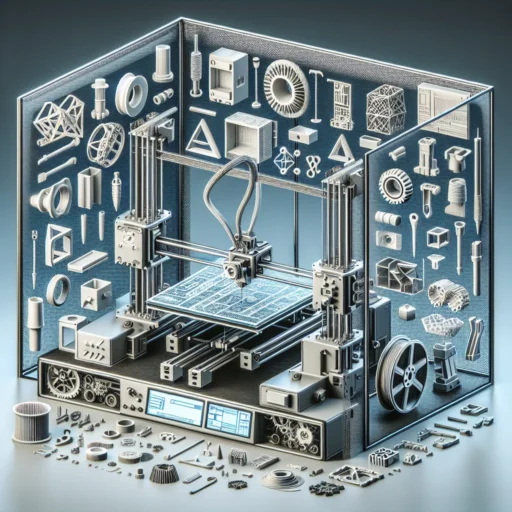
Moreover, the versatility of 3D printing allows for the creation of complex geometries that would be nearly impossible to achieve through conventional methods. This means manufacturers can design more efficient and lightweight components, resulting in reduced material costs and better-performing products. It’s a win-win situation for both innovators and consumers.
Material Variety and Customization
Another fascinating aspect of 3D printing is the wide array of materials that can be used. From plastics and metals to rubber-like substances, the flexibility in material selection opens doors to countless possibilities. This adaptability enables manufacturers to design products tailored to specific needs, creating customized solutions that were once just a dream.
Consider the medical field, where 3D printing has already made waves. Customized prosthetics and implants can be designed specifically for a patient’s anatomy, enhancing comfort and functionality. This level of personalization not only improves patient outcomes but also transforms the way healthcare professionals approach treatment.
Sustainability in Manufacturing
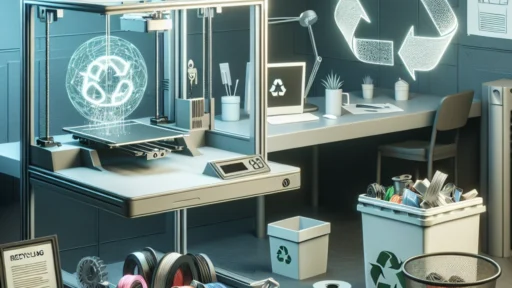
In an age where sustainability has become a crucial focus, 3D printing is stepping up to the plate. The traditional manufacturing process often generates excessive waste, with materials remaining unused in standard molds. In contrast, 3D printing is an additive process — material is added layer by layer to create the final product, resulting in significantly less waste.
Additionally, the ability to produce items on demand means that companies can reduce overproduction and unnecessary inventory. This smart, resource-efficient approach aligns well with the growing emphasis on sustainability, making 3D printing not just a method of manufacturing, but a philosophy of responsible production.
Challenges and the Road Ahead
Of course, 3D printing is not without its challenges. Issues such as material limitations, print speeds, and regulatory concerns, especially in industries like aviation and healthcare, must be addressed for the technology to reach its full potential. Furthermore, as the field becomes more crowded, differentiation becomes crucial. Companies need to stay ahead of the curve, utilizing the latest advancements in technology and materials to remain competitive.
Despite these challenges, the future of 3D printing in prototyping and manufacturing is bright. As technology continues to advance, we can expect even more innovations, including faster print speeds, greater material diversity, and improved printing techniques.
Imagine a future where we can print complex structures using bio-materials or even food! The possibilities are essentially limitless.
3D printing is more than just a trend; it’s a transformative technology that continues to redefine the boundaries of what’s possible in prototyping and manufacturing. As we embrace this innovation, one thing is for sure — the way we create and manufacture products will never be the same. Whether you’re a curious beginner, an established business, or someone in between, it’s an exciting time to explore the endless potential that 3D printing holds for our future.