

Tips for Sourcing High-Quality 3D Filaments
If you’ve jumped into the world of 3D printing, you know that the quality of your prints often hinges on one crucial factor: the filament. Sourcing high-quality 3D filaments can make the difference between a successful print and a pile of failed attempts. But with so many options on the market, how do you ensure you’re getting the best of the best? Here are some helpful tips to guide you on your filament-finding journey.
Understand the Different Types of Filaments
First off, it’s helpful to know the wide range of filaments available. The most common types include PLA, ABS, PETG, TPU, and nylon. Each has its distinct properties, benefits, and drawbacks.
-
PLA (Polylactic Acid): One of the most popular choices for beginners, PLA is biodegradable and easy to work with. It’s great for detailed prints but can be less durable.
-
ABS (Acrylonitrile Butadiene Styrene): Known for its strength and heat resistance, ABS is fantastic for functional parts but can be tricky to print due to warping and fumes.
-
PETG (Polyethylene Terephthalate Glycol): A solid compromise between PLA and ABS, PETG is strong, flexible, and food-safe but can be stringy while printing.
-
TPU (Thermoplastic Polyurethane): Ideal for flexible prints, TPU can be fantastic for innovative designs, though it may be more challenging to work with.
-
Nylon: Extremely durable and versatile, nylon is perfect for strong applications but requires specific conditions to print effectively.
Understanding what each type brings to the table can help you choose the right filament for your project and ensure you’re sourcing what you really need.
Look for Trusted Brands
The brand of filament you choose is equally important. Popular and reputable brands often have a more consistent quality, reliable performance, and better customer support. Some well-known names in the industry include Hatchbox, Prusa, MatterHackers, and eSUN.
While these brands might be slightly more expensive than lesser-known companies, investing in quality at the outset can save you from the headache of failed prints and clogged nozzles. Remember, a product that has a great reputation usually has plenty of reviews and a community backing it up.
Read Reviews and Community Feedback
The 3D printing community is an incredibly resourceful place. Take the time to read online reviews of different filament brands and types. Forums, blogs, and social media groups can all provide invaluable insights. Look for comments on consistency, ease of printing, color accuracy, and even customer service experiences.
Don’t be afraid to ask for suggestions on forums or social media. You’ll often find experienced users willing to share their favorite filaments and why they prefer them.
Check for Filament Specifications
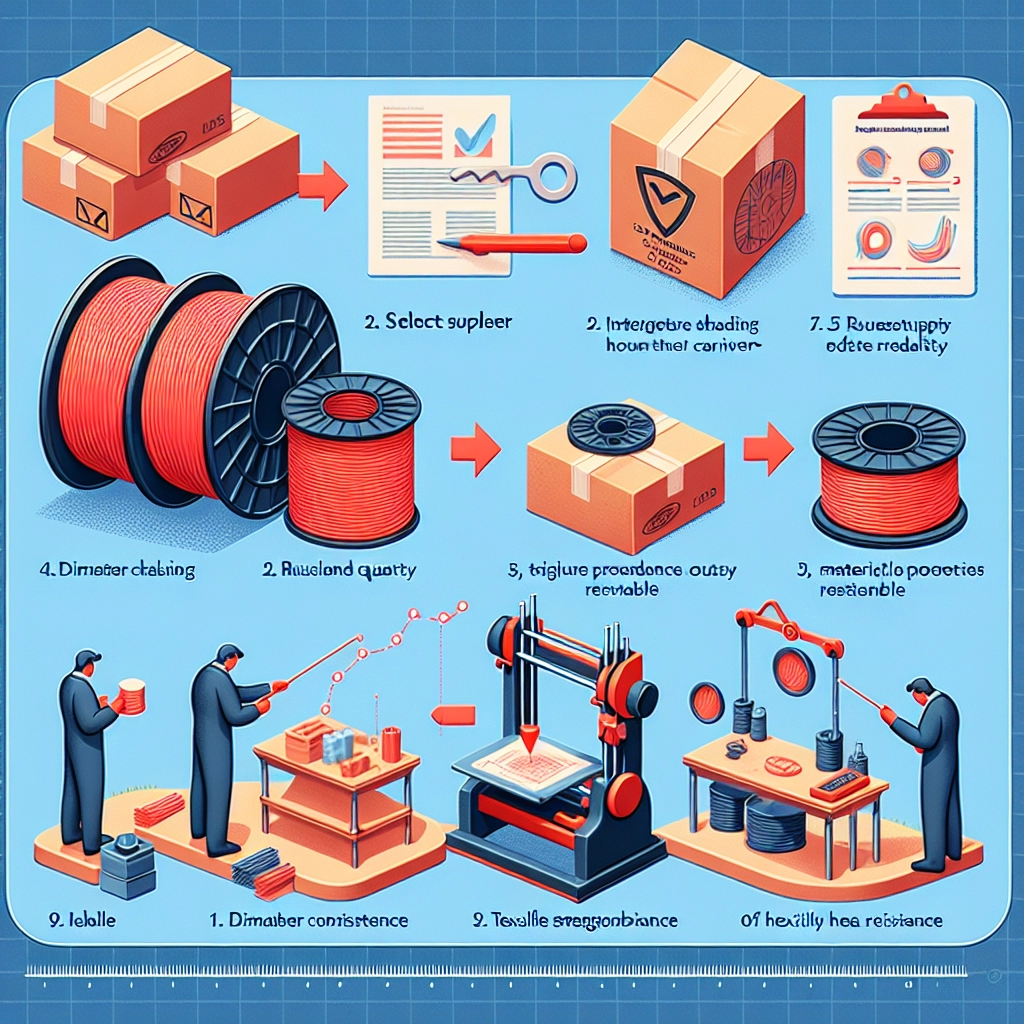
When browsing for filament, always check the specifications. Look for details such as:
-
Diameter: Common sizes are 1.75 mm and 2.85 mm. Make sure your printer can accommodate the size you choose.
-
Roundness: Consistency is key! Filament should be perfectly round and smooth. Any irregularities can lead to printing issues.
-
Tolerance: Look for a tolerance of ±0.05 mm or better. This quality will help guarantee that the filament flows evenly through your extruder.
-
Weight: Filament is usually sold by weight (typically in kilograms). Make sure to compare prices so you’re getting the best deal.
Buy in Bulk
If you’ve found a filament you love, consider buying in bulk. Many manufacturers offer discounts on larger quantities. This not only saves you money but also ensures you have plenty of your chosen filament on hand for future projects. Just be mindful of the filament’s shelf life and store it properly to avoid moisture absorption, which can ruin the quality.
Test Smaller Quantities First
If you’re trying a new brand or type of filament, it’s wise to purchase a smaller spool first. This allows you to test the filament’s performance without committing to a larger amount. Look for sample packs or smaller quantities that can give you an idea of the quality without breaking the bank.
Proper Storage Practices
Finally, once you’ve sourced that high-quality filament, make sure to store it properly. Filaments should be kept in a cool, dry place, ideally in airtight containers or vacuum-sealed bags with desiccants. This helps prevent moisture absorption, which can negatively affect print quality.
In the world of 3D printing, sourcing high-quality filaments takes a bit of effort, but the results are well worth it. By understanding your options, leaning on community knowledge, and taking care to select and store your materials, you can elevate your 3D printing experience from mediocre to extraordinary. So roll up those sleeves, grab your next filament spool, and start creating with confidence!