

The Art of Painting 3D Printed Models: Techniques and Tips
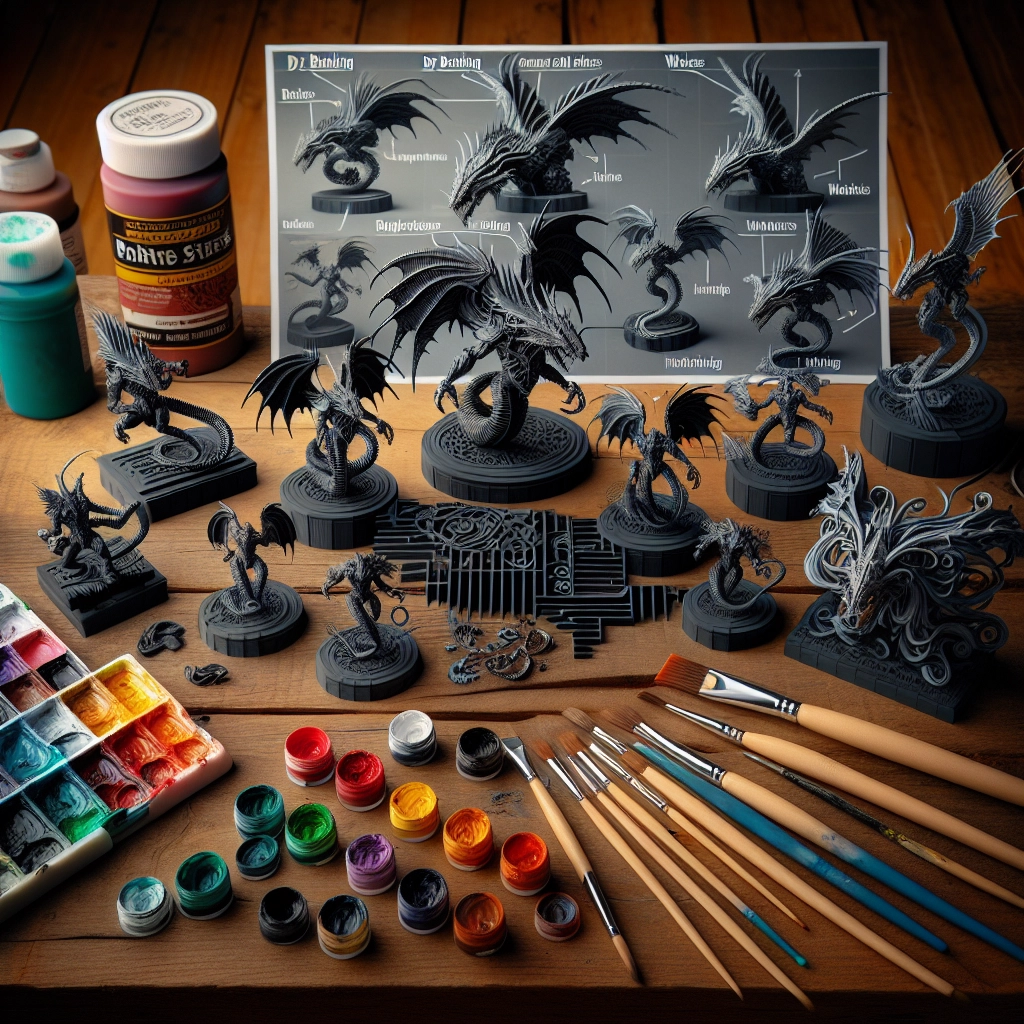
With the rise of 3D printing, an entire universe of creativity has opened up for hobbyists and artists alike. One of the most exciting aspects of this technology is the ability to create intricate models that can be personalized and painted to your heart’s content. Painting 3D-printed models can be a rewarding experience, but it does come with its own set of challenges. Whether you’re a seasoned painter or a complete newbie, the art of painting these models can be both fun and fulfilling. Let’s dive into some techniques and tips to help you elevate your painting game!
Preparing Your Model
Before you even dip a brush in paint, proper preparation is essential. Most 3D prints come with a layer of residue left from the printing process, and some even have visible seams or imperfections. Start by giving your model a good wash with warm soapy water. This will remove any grease or oils that could interfere with paint adhesion.
Once clean, it’s time to look at the surface of your model. If you notice any rough spots or layer lines, take some fine-grit sandpaper and smooth them out. A clean and smooth surface not only looks better but also will help with your paint application later.
Priming: The Foundation of Great Paint Job
Now comes one of the most critical steps: priming. A primer acts as a foundation layer that helps paint adhere better and also ensures even coverage. You can use spray primers specifically formulated for model painting. Just make sure to apply it in thin coats and allow it to dry fully before moving on to the painting process. This will create a solid base for your colors to pop.
Choosing the Right Paints
When it comes to paint, you have a variety of options at your disposal: acrylics, enamels, and oil paints. For most hobbyists tackling 3D models, acrylics are the way to go. They dry quickly, are easy to work with, and are water-based, making cleanup a breeze.
Consider the finish you want—matte, gloss, or satin—and choose your paints accordingly. Many brands carry a wide range of colors and specialty paints (like metallics or iridescents) that can enhance the visual layers of your model.
Techniques to Try
-
Base Coating: Start with a solid base coat of your primary color. This color typically represents the main subject of your model. Use a large brush for broad areas and a smaller one for details. Water down the paint slightly for better flow and smoother application.
-
Layering: Once your base coat is dry, it’s time to add depth and dimension using layering techniques. Consider using different shades of the same color to add highlights and shadows. A technique called “wet blending” can also help achieve a seamless transition between colors if you’re up for a challenge.
-
Dry Brushing: This is a popular technique among model painters. With a dry brush (much less paint than usual), lightly skim the surface of your model, allowing high points to catch the color. This technique works wonders for textures, like armor or fur, adding instant detail without hours of meticulous work.
-
Wash: Applying a wash is an effective way to emphasize small details, like crevices or textures on your model. A wash is simply diluted paint (often with a darker shade) that settles into the cracks and gives dimension to your build—just ensure that you’ve let those other layers dry before applying it!
Sealing Your Masterpiece
Once you’re satisfied with your painting, don’t forget to seal it! Sealing your model with a matte or gloss sealant helps protect the paint from scratches and makes it more durable. Spray sealants work well, but you can also use a brush-on version if you’re careful.
Personal Touches and Details
Lastly, when painting 3D models, don’t forget to add your personal touches. Stickers, decals, or even hand-painted designs can make your model stand out. If you have a specific theme or color palette in mind, consider how you can reflect that through your paint choices.
Enjoy the Journey
Painting 3D-printed models is not just about the final product; it’s about the creative process as well. Embrace the small mishaps and discoveries along the way. Experimenting and letting your imagination run wild can yield unexpected and delightful results.
So grab those brushes, unleash your creativity, and enjoy bringing your 3D-printed creations to life. After all, every model is a blank canvas waiting for your unique touch!