
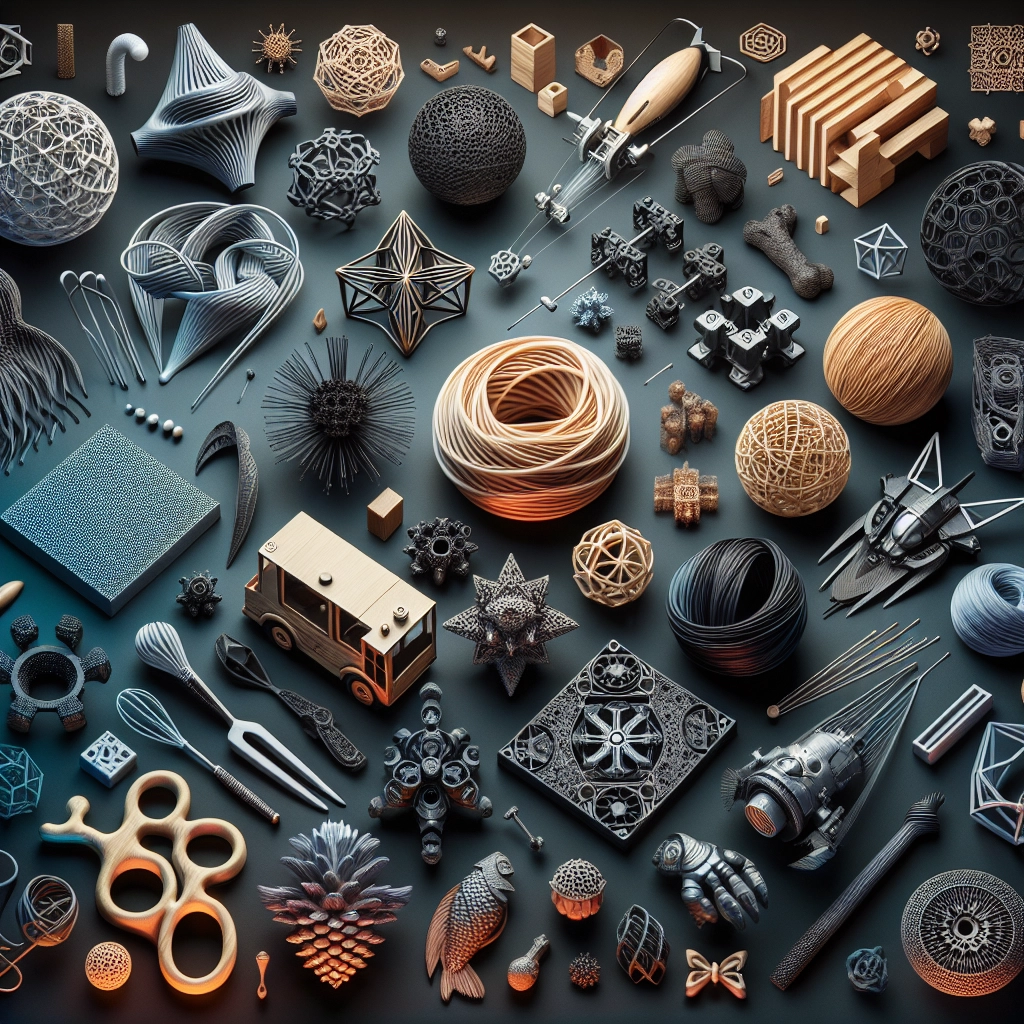

Exploring the World of Specialty 3D Filaments
If you’ve dipped your toes into the fascinating realm of 3D printing, you’ll know that it’s not just about printing objects; it’s about what you’re printing with. The filament you choose plays a pivotal role in determining the quality, durability, and overall look of your printed pieces. While standard filaments like PLA and ABS are great for getting started, the world of specialty 3D filaments is a playground for creativity and innovation. Let’s dive into this exciting universe!
What Are Specialty 3D Filaments?
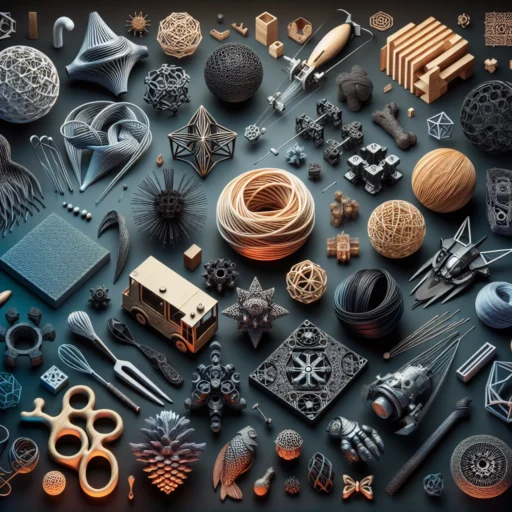
Specialty filaments are those that go beyond the standard offerings. They require different handling, offer unique characteristics, and are often crafted for specific applications or enhancements. Whether you’re looking for materials that can withstand extreme temperatures, simulate different textures, or provide specific aesthetic effects, specialty filaments open up a world of possibilities.
Types of Specialty Filaments
-
PETG (Polyethylene Terephthalate Glycol):
This filament combines the ease of printing of PLA with the durability of ABS. It’s known for its excellent layer adhesion and resistance to impact. PETG is also food-safe, making it perfect for functional items like containers—just be mindful of the potential for bacteria if it’s not cleaned properly. -
TPU (Thermoplastic Polyurethane):
If you’re in search of rubber-like flexibility, TPU is your go-to. This filament is great for printing phone cases, flexible joints, or any component that needs to bend. It can be a bit tricky to print due to its elasticity, but the results can be incredibly rewarding. -
ASA (Acrylonitrile Styrene Acrylate):
ASA is like the superhero of filaments. It can withstand UV rays and harsh weather, making it perfect for outdoor applications. Its properties are similar to ABS, but with added longevity when exposed to the elements. Think outdoor furniture or garden tools! -
Nylon:
Known for its impressive strength and flexibility, nylon is a favorite among engineers and designers. It’s perfect for functional parts that need to endure wear and tear. However, it can be a little finicky due to its tendency to absorb moisture, so proper storage is essential. -
Wood Filament:
Have you ever wished for a 3D-printed object that looks like it’s made of wood? Wood filament combines sawdust with PLA, giving you a unique texture and the ability to sand and stain just like real wood. It’s fantastic for decorative items, crafts, or anything where aesthetics matter. -
Metal Filament:
For those who want the look of metal without the hefty weight, metal-infused filaments like bronze or copper are a great choice. These filaments can be heavier than standard options and require a hardened nozzle, but the finished items boast a beautiful, metallic sheen.
The Printing Process
Working with specialty filaments can come with its own set of challenges. In general, you’ll want to ensure you’re using the right temperature settings. Many specialty filaments require a higher extrusion temperature compared to PLA, so having a printer with an all-metal hot end can be beneficial.
Print speed can also affect the outcome; slower speeds can help with better layer adhesion, especially with flexible filaments like TPU. And remember: sometimes, experimentation is key. Each filament has its quirks, so don’t be afraid to tweak your settings until you find the sweet spot.
Why Use Specialty Filaments?
The beauty of specialty filaments lies in their versatility and unique properties. If you’re a maker, artist, or engineer, these materials allow you to create more specialized applications that standard filaments simply can’t match. Whether it’s crafting a personalized gift that looks and feels just right or designing a prototype with real-world functionality, specialty filaments offer the tools to bring your ideas to life.
As the world of 3D printing continues to evolve, so does the range of materials available to creators. Experimenting with specialty filaments can enhance your projects, taking them from ordinary to extraordinary. So why not step outside the standard options next time you fire up your 3D printer? You might just discover a new favorite material that opens up a whole new realm of creativity!
In the world of 3D printing, the possibilities are limited only by your imagination—so go on, explore, and let your creations speak for themselves.