

Understanding 3D Printer Specifications: What to Look For
If you’re venturing into the world of 3D printing, it’s essential to understand the specifications of 3D printers to make an informed decision. With so many options on the market, each boasting unique features and capabilities, knowing what to look for can feel overwhelming. Don’t fret! Let’s break down the key specifications you should consider, making your journey into 3D printing a lot smoother.
Print Volume
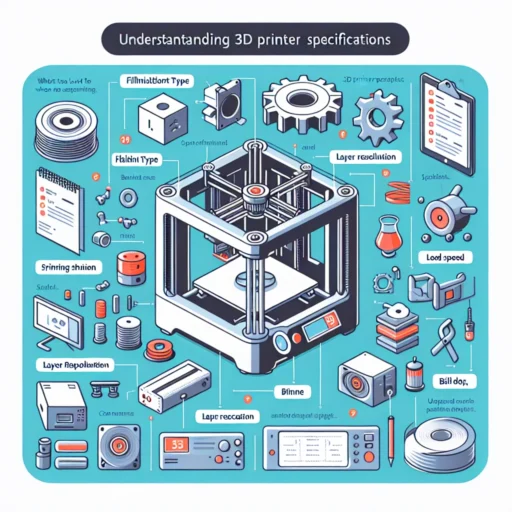
First and foremost, you’ll want to consider the print volume of the 3D printer. This measurement indicates the maximum size of the object the printer can produce. Print volume is typically expressed in cubic centimeters (cm³) or in dimensions such as width, depth, and height (e.g., 250mm × 250mm × 250mm). Depending on what you plan to print, you’ll want to ensure that the printer’s build volume meets your needs—whether you’re creating small intricate parts or larger items like prototypes or models.
Layer Resolution
Next up is layer resolution. This specification reflects how finely the printer can detail each layer of the print. Resolution is usually indicated in micrometers (µm) or millimeters (mm). A lower number (for example, 20µm) means that the printer can produce very detailed, high-resolution prints, whereas higher numbers (like 300µm) may result in more rudimentary finishes. If you’re after smooth surfaces and finer details, you’ll want to look for a printer that offers lower layer heights. Conversely, if speed is more critical than detail, a printer with a higher resolution may suit your needs.
Print Speed
Speaking of speed, let’s talk print speed. This specification measures how quickly the printer can lay down material, typically given in millimeters per second (mm/s). While it’s important to find a balance between speed and quality, a faster printer can significantly boost productivity. Some printers might offer variable speeds, allowing you to adjust depending on the complexity of the print. If you’re planning on producing many models or parts in a short period, a higher print speed could save you time.
Filament Compatibility
Not all 3D printers are created equal when it comes to filament compatibility. Most commonly, printers use materials like PLA and ABS, but some can take on a broader variety of filaments, including PETG, TPU, and even specialty materials like nylon or carbon fiber. If you have specific materials in mind for your projects, check the specifications to confirm that the printer supports them. Exploring versatility in filament use can open the door to different projects and applications.
Extruder Type
The extruder plays a vital role in how a printer functions. There are generally two types of extruders: direct drive and Bowden. Direct drive systems place the extruder directly above the hot end, which provides better control over flexible filaments and intricate designs. On the other hand, Bowden systems feed the filament through a tube to the hot end and are often lighter, allowing for faster printing. Depending on your level of expertise and the nature of your prints, choosing the right extruder type can greatly affect your printing experience.
Heated Bed
A heated bed can be a game-changer for many 3D printing enthusiasts. This feature helps prevent warping and ensures better adhesion of your print to the bed, especially when working with certain materials like ABS. A properly heated bed can enhance the overall quality of your prints, leading to successful builds with fewer failures. For beginners or those looking to work with various filament types, opting for a printer that includes a heated bed is a wise choice.
Community and Support
While specs are important, you shouldn’t underestimate the value of user community and support. A vibrant user community and responsive support can make a world of difference, especially if you’re new to 3D printing. Look for brands and models with an established community where you can find tutorials, troubleshoot problems, and seek advice from seasoned users. A good user manual and customer service can greatly enhance your experience, making your 3D printing journey much more enjoyable.
As you dive into the fascinating world of 3D printing, taking the time to understand these specifications will empower you to make the best choice for your needs. Whether you’re looking to print innovative designs, prototypes, or purely creative projects, knowing what features to prioritize can help you find a printer that feels just right. Happy printing!