
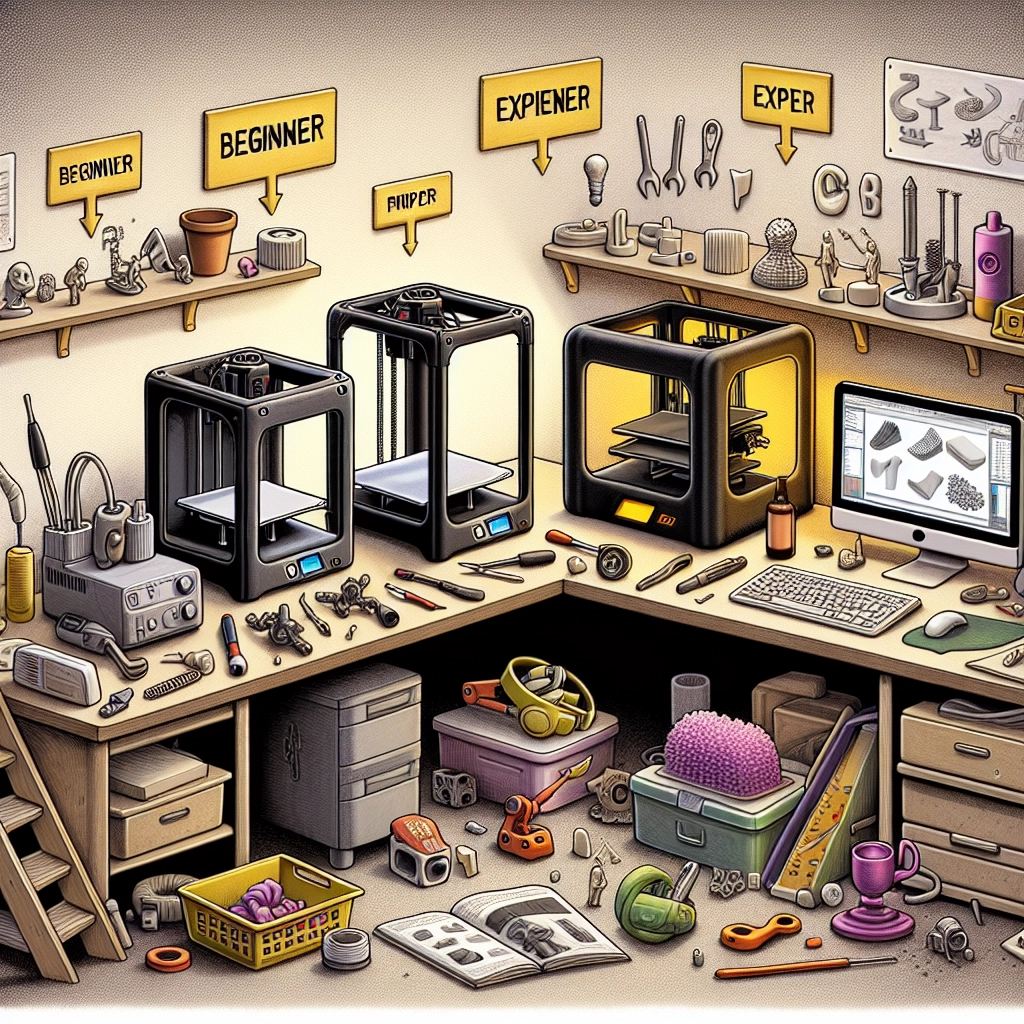

From Hobbyist to Professional: Taking Your 3D Printing Skills to the Next Level
3D printing is more than just a fun hobby; it’s a continuously evolving field with endless possibilities. You may have started with a basic printer, crafting small gadgets or personalized gifts for friends and family. But as you gain confidence and skill, the question arises: how do you transition from hobbyist to professional? In this article, we’ll explore the steps to elevate your 3D printing skills and even turn your passion into a profitable venture.
Understand the Fundamentals
Before jumping into the professional realm, ensure you have a solid understanding of the basics. Familiarize yourself with different types of 3D printing technologies, such as FDM, SLA, and SLS, and learn how they work. Knowing the strengths and limitations of each method can help you decide which technology aligns best with your goals.
Moreover, take time to master design software. Programs like Fusion 360, Tinkercad, and Blender each have their unique strengths. Investing time in learning these tools can dramatically improve your design capabilities. As your designs become more complex, your printing results will follow suit.
Experiment with Materials
While plastic filaments like PLA and ABS are commonly used, the world of 3D printing materials is vast. Experiment with different options like resin, nylon, or even metal powders. Each material behaves differently, so understanding their properties—like stiffness, flexibility, and heat resistance—can expand your project possibilities.
Innovative materials, such as biodegradable filaments or those infused with other substances (like carbon fiber or wood), can offer unique enhancements and new ideas for products. Your willingness to experiment can lead to breakthrough prototypes that could capture the interest of future clients or collaborators.
Develop Your Portfolio
Once you’ve honed your skills and begun experimenting, it’s time to showcase your best work. Create a portfolio that highlights a range of projects—this will demonstrate versatility and skill to potential clients. Start with projects that you are particularly passionate about or those that received positive feedback from friends and family.
Photography is key here. Make sure to take high-quality images of your creations in well-lit environments. Consider including process shots to show your journey from conception to completion, adding a personal touch that represents your brand.
Network and Engage with the Community
One of the most exciting aspects of 3D printing is the community. Get involved! Join forums, attend local Maker Faires, and participate in online groups. Networking can provide not just support but also valuable insights into current industry trends. Engaging with fellow enthusiasts—whether they’re hobbyists or professionals—can often lead to collaboration, mentorship, or even job opportunities.
Social media platforms are also a great way to connect. Share your projects on Instagram, Reddit, or specialized groups on Facebook. Just remember to engage genuinely with others; the community thrives on mutual support and shared enthusiasm.
Consider Specialization
As you grow, consider specializing in a niche area that excites you. Perhaps you have a knack for creating intricate jewelry designs, or you’re passionate about prototyping mechanical parts. By niching down, you can position yourself as an expert in that field, making it easier for clients to find you when they need someone with your specific skills.
Once you’ve identified your niche, refine your skills in that area. Attend workshops, take online courses, or even seek out a mentor who can offer guidance. Becoming an authority in your chosen field can open doors you never thought possible.
Explore Monetization Options
With a robust portfolio and specialized skills, you’re ready to explore ways to turn your hobby into a professional venture. Consider options like:
- Freelancing: Offer design and printing services on platforms like Upwork or Fiverr.
- Creating products: Start an online store on Etsy, eBay, or your own website to sell your designs or finished products directly.
- Consulting: Share your expertise by offering workshops or online courses.
Remember to market yourself effectively; a simple website or social media presence can do wonders for your visibility. Share behind-the-scenes content to engage your audience and build a loyal customer base.
Keep Learning and Adapting
The tech world is always evolving, and 3D printing is no exception. Keep up with new developments, techniques, and materials. Attend conferences, read industry publications, and continue taking courses to deepen your knowledge.
This relentless pursuit of learning will not only enhance your skills but can also inspire fresh ideas for your projects. A curious mind is a powerful tool—allow it to guide you as you navigate your professional journey.
As you embark on this exciting leap from hobbyist to professional, remember that every great endeavor takes time, patience, and perseverance. Embrace the journey; every success and setback will contribute to your growth in this fascinating world of 3D printing. So, go ahead—print your passion, and watch it evolve!