
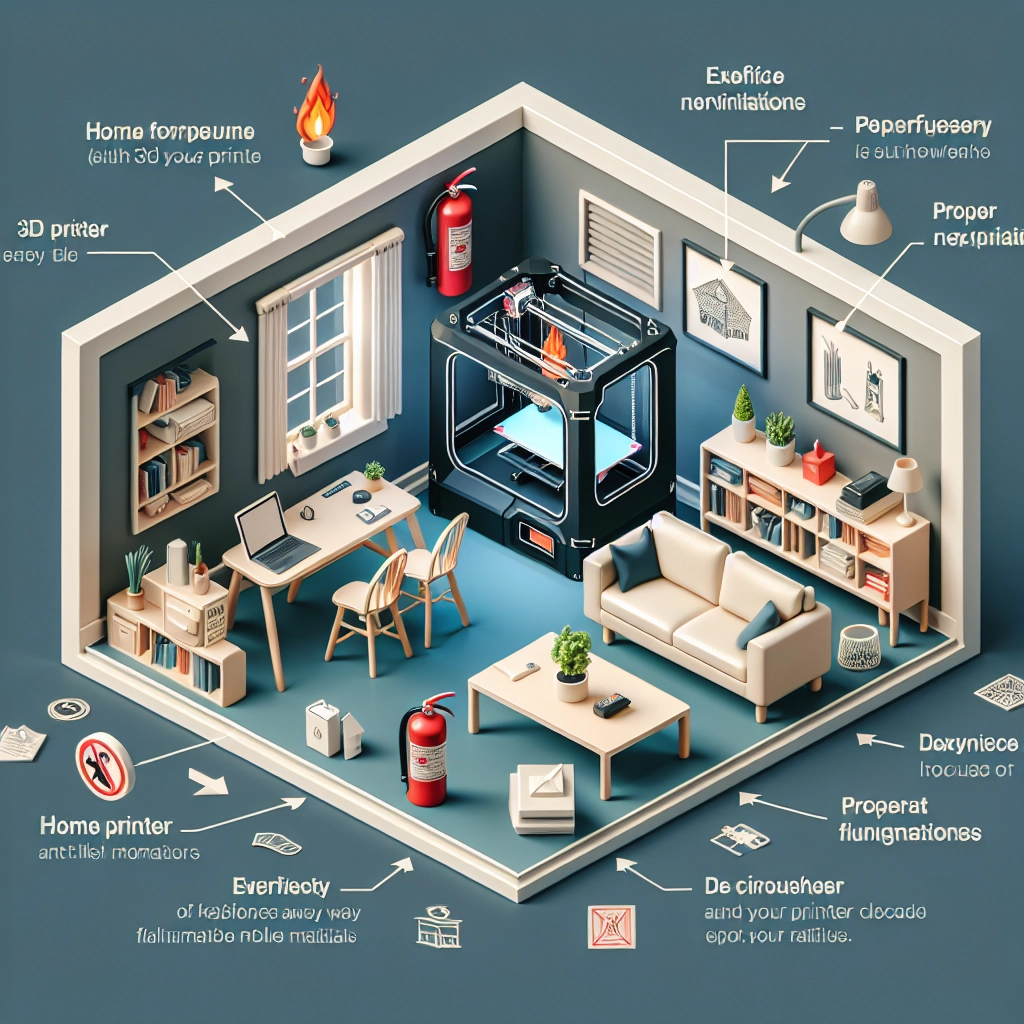

Safety Tips for 3D Printing at Home: What You Need to Know
3D printing is no longer just a cool tech concept reserved for universities and industrial labs. Thanks to advances in technology, it’s become more accessible than ever, allowing hobbyists and DIY enthusiasts to create everything from intricate models to practical household items right in their own homes. But before you dive headfirst into the world of 3D printing, it’s essential to understand the safety measures that will keep you and your space secure. So, gather your filament and get ready as we explore some crucial safety tips for 3D printing at home!
Understand Your Printer
Before touching anything, familiarize yourself with your 3D printer’s manual. Every model comes with its own set of instructions, which will help you grasp its specific safety requirements and operational guidelines. Whether you have an FDM (Fused Deposition Modeling) printer or a resin printer, knowing how your machine works is the first step in safe operation.
Choose the Right Location
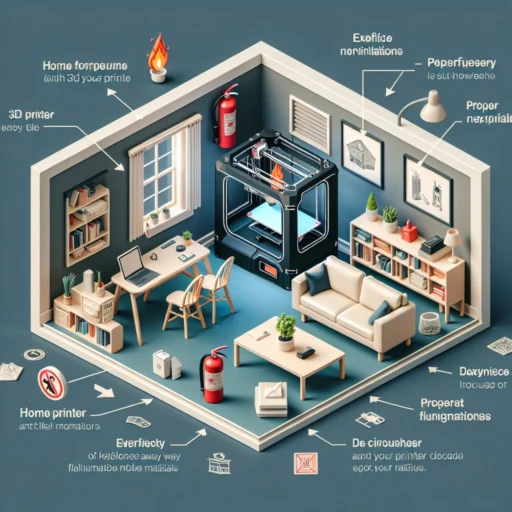
Where you set up your 3D printer is just as vital as understanding how it works. Ideally, place it in a well-ventilated area away from flammable materials. 3D printers can emit fumes, especially when using certain types of filament like ABS. A dedicated space with good airflow can help disperse these fumes, making it healthier for you in the long run.
Protect Your Respiratory Health
Speaking of fumes, let’s dive a bit deeper into that topic. While many modern filaments are relatively safe, some can release volatile organic compounds (VOCs), which aren’t great for your lungs. If your 3D printing set-up is indoors, consider investing in an air purifier, or work near an open window to ensure proper ventilation. A simple fan can also help circulate air and push any potentially harmful gases away from you.
Wear Appropriate Personal Protective Equipment (PPE)
While we all want to look like we just stepped off the set of a sci-fi movie, safety gear is essential. For FDM printing, wearing gloves isn’t always necessary, but it could be a good idea if you’re dealing with heated parts or materials that could irritate your skin. This is especially true when you’re unloading filament or making adjustments.
For resin printing, on the other hand, gloves are a must. Resin can be toxic and irritant, so safeguarding your skin is crucial. Additionally, wearing safety goggles can help protect your eyes from any splashes or debris.
Handle Materials with Care
Whether you’re working with filament or resin, always be aware of how to handle your materials. Store filament in a dry, cool place to avoid moisture absorption, which can lead to poor print quality. For resin, ensure that it’s in a sealed container and out of reach of pets and children. Remember, safety isn’t just about what you do during printing; it’s also about how you manage your materials when you’re not actively printing.
Be Mindful of Hot Parts
One of the most significant risks associated with 3D printing is burns from hot surfaces. The heated bed and nozzle can reach temperatures above 200 degrees Celsius, which is hot enough to burn your skin. Always allow your printer to cool down before handling any parts, and consider using tools like a spatula for removing prints to keep your hands safe.
Regular Maintenance Checks
Keeping your 3D printer in good condition is crucial for your safety. Regularly clean and maintain components like the nozzle, build plate, and fans to ensure optimal functionality. Clogs or malfunctions can lead to overheating or other hazards, increasing the risk of fire or injury.
Stay Informed and Educate Others
If you’re sharing your printing space with family, especially children, make it a practice to inform them about the printer’s capabilities and potential hazards. Set clear rules about when and how they can interact with the printer, emphasizing the importance of safety.
Enjoy the Process
Once you’ve taken the necessary precautions, it’s time to have some fun! 3D printing can be an incredibly rewarding experience. Whether you’re tackling a challenging design or bringing your imaginative ideas to life, enjoy every moment of it.
In the end, with the right safety measures in place, 3D printing can be a fantastic hobby that opens a world of creativity and innovation right in your home. So gear up, follow these tips, and let your imagination soar into 3D worlds and creations!