

Exploring the Different Applications of 3D Printing Across Industries
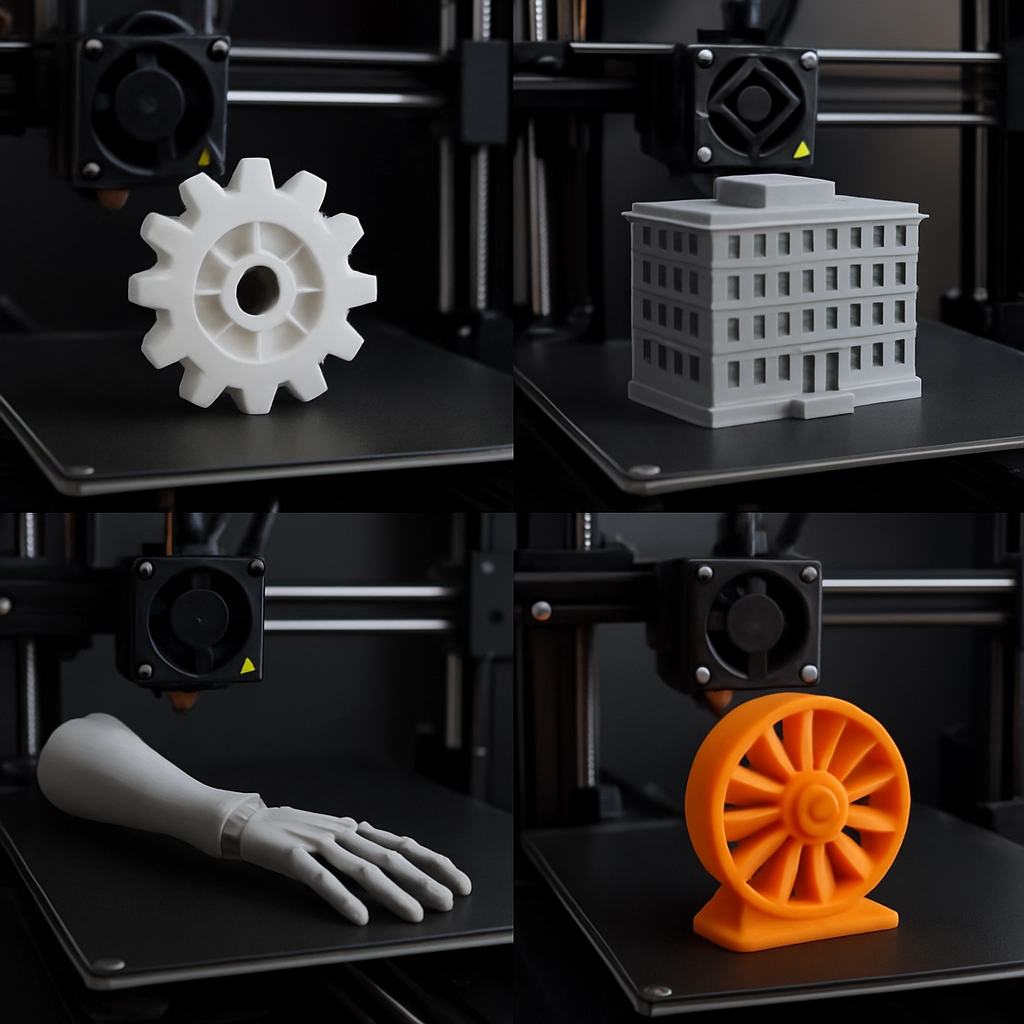
3D printing, often hailed as the next industrial revolution, has made waves across a multitude of industries. Once a novelty confined to hobbyists and tech enthusiasts, it has transformed into a powerful tool for innovation and efficiency. From healthcare and aerospace to fashion and food, the applications of 3D printing are as diverse as they are exciting. Let’s take a closer look at how this technology is reshaping various sectors.
Healthcare: Innovations that Save Lives
One of the most impactful applications of 3D printing is in healthcare. Customization is key here; the ability to create tailored medical devices, prosthetics, and even bioprinted tissues can dramatically improve patient outcomes. For instance, prosthetics made from 3D-printed materials can be designed to fit the exact measurements of a patient’s limb, making them more comfortable and functional.
Moreover, surgeons are increasingly using 3D-printed models of complex organs or structures based on patient scans. This allows them to practice procedures ahead of time, leading to more precise operations and enhanced patient safety. The potential for bioprinting human tissues is still evolving, but researchers are hopeful that in the near future, we could see printed organs ready for transplant.
Aerospace: Reducing Weight and Costs
In the aerospace industry, where every ounce counts and safety is paramount, 3D printing is proving invaluable. Companies like Boeing and Airbus have embraced additive manufacturing to produce lightweight components that don’t compromise on strength. By using 3D printing, they can reduce the overall weight of aircraft, leading to fuel savings and lower emissions.
Additionally, 3D printing allows for rapid prototyping, which accelerates the design iterations of various components. Instead of waiting weeks for parts to be manufactured, engineers can quickly produce and test new designs, bringing innovation to market faster than ever before. This efficiency can mean significant cost savings in an industry that’s always looking for ways to streamline operations.
Automotive: Customization and Sustainability
The automotive sector is another industry reaping the benefits of 3D printing. The ability to create custom parts on-demand is revolutionizing how cars are designed and manufactured. Traditional processes can be time-consuming and costly when it comes to making small adjustments or limited-run models, but 3D printing can produce customized parts at a fraction of the time and cost.
Moreover, automakers are turning to 3D printing as a sustainable solution. With the ability to print parts using recycled materials and minimize waste, companies like Volkswagen are exploring ways to make their production lines more eco-friendly. As the industry grapples with sustainability challenges, 3D printing may well hold one of the keys to a greener future.
Fashion: The Art of Personalization
Who would have thought that the fashion industry would find such a handy partner in 3D printing? Designers are stepping into a world of creativity where fabric can be redefined. 3D printing allows for complex patterns and textures that would be impossible to achieve with conventional methods.
Renowned designers have begun using 3D printing to create everything from avant-garde clothing to customized accessories. One of the most exciting developments is the ability to print shoes that perfectly fit the wearer’s foot, providing enhanced comfort and style. This meshes beautifully with the growing trend towards personalization in fashion, where consumers are seeking unique products that express their individuality.
Food: Culinary Creativity
Believe it or not, 3D printing has even made its mark in the culinary world! Chefs are beginning to experiment with 3D food printers that can create intricate designs using edible ingredients. Everything from chocolates to pizzas can be customized with unique shapes and flavors. This technology not only allows for stunning presentations but can also cater to dietary restrictions by using alternative ingredients.
The idea of 3D-printed food is still in its infancy but holds vast potential, especially in addressing sustainability issues within the food industry. Imagine the possibilities of printing meals from sustainable sources or creating tailored nutrition packs for specific health needs. The future of dining could be as innovative as it is delicious.
As we explore the growing landscape of 3D printing applications, it becomes clear that this technology is more than just a passing trend; it’s a transformative force across multiple industries. As advancements continue and new materials are developed, the possibilities seem limitless. Whether it’s crafting custom prosthetics, revolutionizing aerospace design, creating fashionable attire, or even printing gourmet meals, the world of 3D printing invites us to rethink how we create, consume, and innovate. It’s a multi-dimensional journey into the future—one layer at a time.