

Exploring the World of Flexible Filaments in 3D Printing
When it comes to 3D printing, most of us are familiar with plastics like PLA and ABS. But have you ever heard of flexible filaments? If you’re looking to unlock a whole new level of creativity and functionality in your 3D projects, you’re in the right place. Flexible filaments are an exciting twist in the world of 3D printing that allows makers to create parts that bend, twist, and stretch. Grab your favorite drink, settle in, and let’s dive into this fascinating topic!
What Are Flexible Filaments?
Flexible filaments are types of thermoplastic materials designed specifically for 3D printing with a degree of flexibility that allows them to bend without breaking. The most popular types include TPU (Thermoplastic Polyurethane) and TPE (Thermoplastic Elastomer). These materials are perfect for applications requiring stretchability or resilience, like phone cases, wearable items, and custom fittings.
Unlike rigid filaments that create hard, inflexible parts, flexible filaments often have a Shore hardness rating on a scale from 0A to 100D, where lower numbers indicate softer materials. For example, TPU with a Shore A rating of 85 would be considered quite soft, while one rated at 95A would be a bit stiffer, suitable for different applications.
Why Choose Flexible Filaments?
You might be wondering why you would choose flexible filaments over traditional options. Here are a few perks:
-
Versatility: Flexible filaments can be used for a variety of applications, such as making gaskets, seals, and even toys. The ability to create custom parts that can absorb impacts or flex around other components opens up new possibilities.
-
Comfort: Items made from flexible materials aren’t just functional; they’re often more comfortable to wear or use. Think of that cushy, custom-fit sleeve for your coffee mug or that perfectly contoured strap for your glasses.
-
Durability: Many flexible filaments are quite tough and resistant to wear and tear, making them great for parts that will be subject to stress or regular use.
-
Innovation: If you’re the creative type, working with flexible filaments can inspire new designs and functionality. It pushes the boundaries of what can be done with 3D printing.
Challenges and Considerations
However, working with flexible filaments isn’t without its challenges. When transitioning from more rigid materials, it’s essential to keep a few things in mind:
-
Printing Settings: Flexible filaments often require different printer settings compared to typical filaments. For instance, you may need to adjust the speed, temperature, and retraction settings to avoid jamming. It helps to consult the manufacturer’s guidelines for the specific filament you’re working with.
-
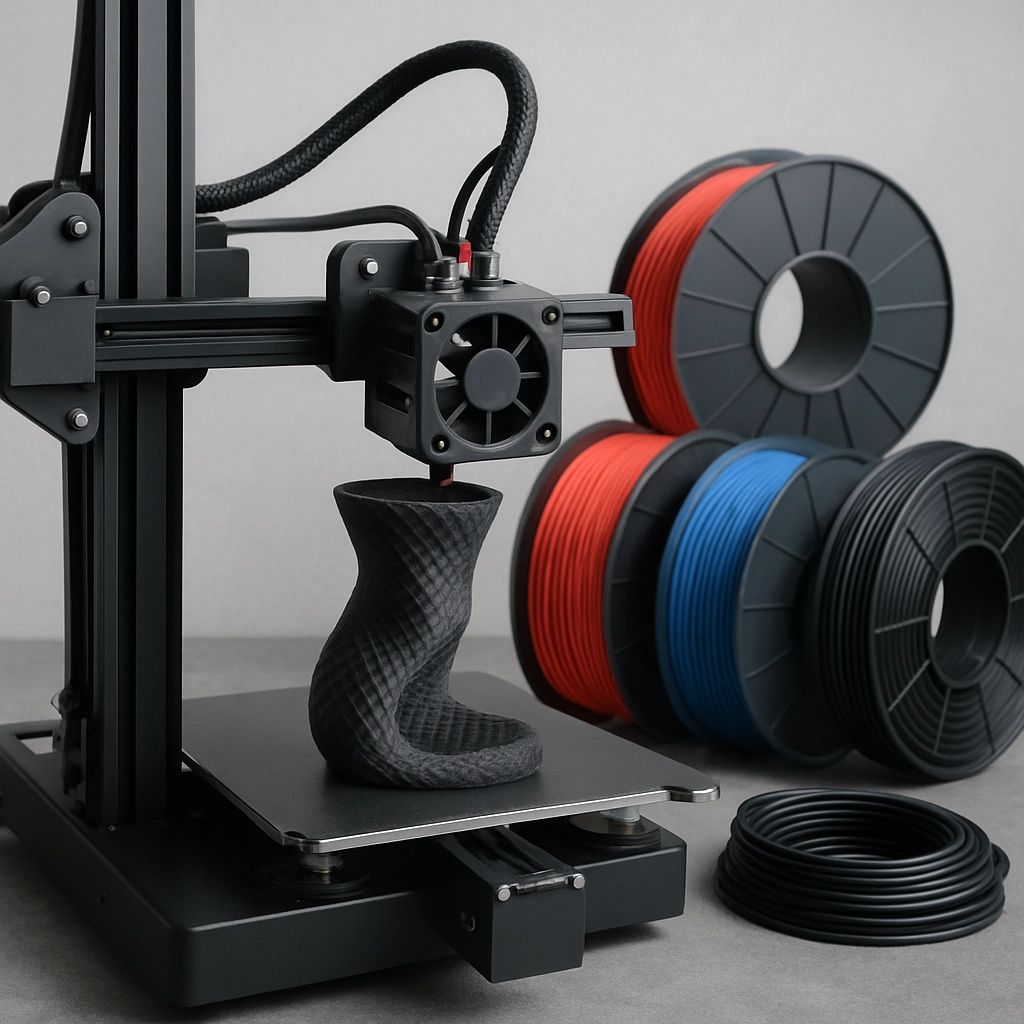
Extrusion issues: Many flexible materials can have trouble feeding through standard 3D printer setups, especially if you’re using a Bowden-style extruder. Many enthusiasts have found success by switching to a direct drive extruder setup, which pushes the filament straight into the hot end.
-
Layer adhesion: Sometimes, flexible prints may have issues with layer adhesion. To combat this, you might try using a slower print speed or increasing the print temperature slightly, ensuring the filament can bond effectively.
Applications and Innovations
Now let’s talk about where these flexible filaments truly shine.
-
Prototyping: Designers and engineers use flexible filaments to prototype items like shoe soles or other elastic parts that require testing for comfort and fit.
-
Medical Uses: In the medical field, flexible filaments are changing the game by being used in custom prosthetics and orthotics. The ability to create tailor-made healthcare solutions that adapt to individual patient needs is truly revolutionary.
-
Art and Fashion: Artists and designers are getting creative with flexible materials to craft unique fashion items and artistic sculptures that move and flow in ways that rigid materials cannot.
-
DIY Projects: If you love crafting and personal projects, flexible filaments can help you create things like custom phone cases, toy accessories, or even home improvement items that require a specific degree of flexibility.
The growing range of colors and finishes available in flexible filaments adds an exciting creative layer!
Final Thoughts
Overall, flexible filaments in 3D printing open up a world of creative possibilities that you might not have considered before. While they require some adjustments and practices to master, the potential for versatile, functional, and aesthetically pleasing creations is undoubtedly worth the effort. So if you haven’t yet experimented with flexible filaments, it might just be the perfect time to stretch your imagination and see what incredible designs you can bring to life! Happy printing!