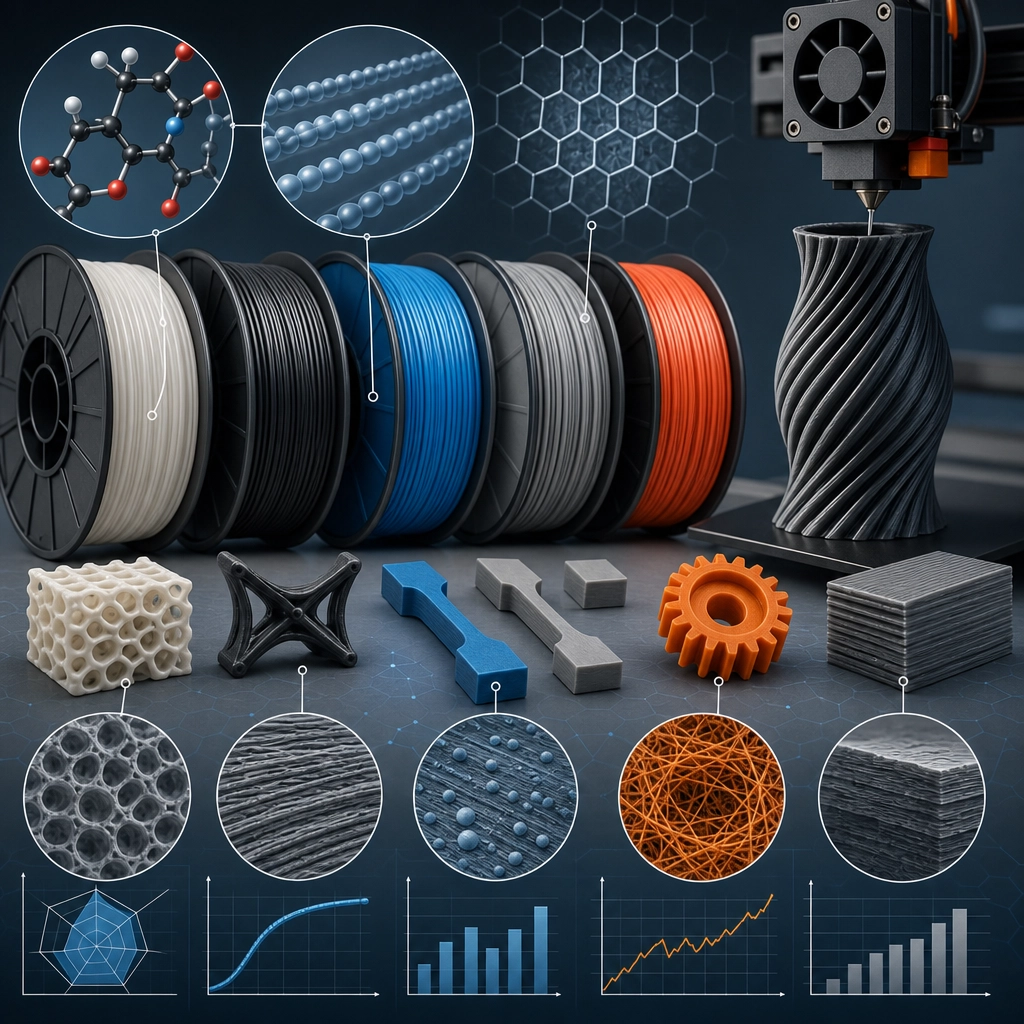

The Science Behind 3D Filaments: Understanding Material Properties
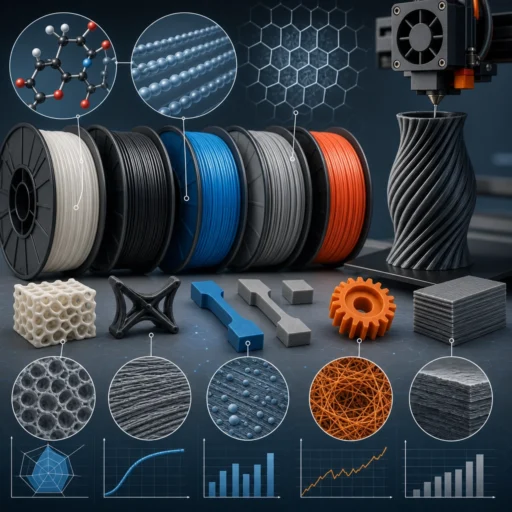
3D printing has taken the world by storm, evolving from a niche technology to a mainstream favorite for hobbyists, engineers, and even some entrepreneurs. If you’ve ever wandered through the aisles of filament in your local craft store (or scrolled endlessly through online shops), you might have noticed a dazzling variety of materials available for your 3D printing adventures. But what drives these different types of filaments—and how do their material properties influence your prints? Let’s dive into the science behind 3D filaments!
PLA: The Go-To for Beginners
Polylactic Acid (PLA) has carved out a reputation as the most popular filament, especially for beginners in the 3D printing world. Why? First off, PLA is derived from natural sources like corn starch and sugarcane, making it biodegradable and much more eco-friendly than some of its counterparts.
From a material properties perspective, PLA is known for its ease of use. It prints well at lower temperatures (around 180-220°C) and adheres nicely to a wide variety of surfaces. However, while treasures await in the realm of PLA, it does have its limitations. Parts made from PLA are less heat-resistant than those made from some other materials—meaning a hot car interior can leave your precious print in a warped state.
ABS: The Tough Guy on the Block
Acrylonitrile Butadiene Styrene (ABS) is another common filament, prized for its durability and impact resistance. Often found in products like Lego bricks, ABS is a stronger choice for functional parts. In comparison to PLA, ABS requires a higher printing temperature (around 210-250°C) and has a propensity to warp without a heated bed or controlled environment. But what does this mean for you?
If you’re crafting something with an emphasis on functional performance—like a mechanical component—ABS might be your best bet. Whether it’s the impressive resilience or the ability to undergo post-processing with acetone for a smooth finish, ABS deserves a spot on any seasoned printer’s shelf.
PETG: The Best of Both Worlds
Polyethylene Terephthalate Glycol-Modified (PETG) serves as something of a middle ground between PLA and ABS, offering a delightful blend of both simplicity and strength. It’s known for its incredible clarity and glossy finish, making it visually appealing for artistic applications. PETG is also tough enough to withstand daily use, which makes it a common choice for functional items like phone cases and kitchen utensils.
What truly stands out with PETG is its ease of printing—it combines the ease of PLA with the toughness of ABS. You can print PETG at about the same temperatures as ABS, but you’ll find that you don’t face the same warping issues. It also has great layer adhesion, making it a formidable contender in the world of 3D printing.
Specialty Filaments: The Fun Extras
As you dive deeper into 3D printing, you might want to venture into specialty filaments like TPU (Thermoplastic Polyurethane), which is flexible and rubber-like, perfect for making custom gaskets or phone cases. There’s also Nylon, known for its strength and flexibility, suited for industrial applications or functional prototypes.
Each of these materials adds its own unique flavor to the 3D printing experience, but it’s essential to grasp their properties to ensure your print turns out flawlessly. Flexibility, strength, heat resistance, and even aesthetics can vary widely from one filament to another.
Choose Wisely!
Choosing a filament doesn’t just boil down to its color or price tag. Understanding the properties of PLA, ABS, PETG, and other specialty filaments can significantly enhance your 3D printing projects. Each filament has distinct characteristics, from their melting points and adhesion rates to their environmental impact.
Before you start your next print, consider what you actually need the final product for. Is it purely decorative? Go with PLA! Do you need something more rugged? ABS or PETG would serve you better.
Ultimately, experimenting with different filaments can elevate your understanding of material science, enhance your skills, and lead to countless successful creations. So grab that spool of filament, fire up your printer, and embrace the exciting world of 3D printing science! You might just find that the next print is your best one yet.